


A dry green clump at the bottom of your glass ruins a cold cup of matcha. I want to help you avoid this common mistake when you make your next iced drink.
Shop House Matcha now for a smooth, sweet iced cup.
Learning how to make iced matcha is simple when you choose between three easy prep methods: whisking, shaking, or cold brewing. Since matcha forms a suspension rather than dissolving, as noted by Harvard Health Publishing, you must agitate the cold liquid to prevent any clumping. The classic method uses a bamboo whisk with a little warm water first, while the shaking method uses a simple glass bottle to mix it. Whichever path you choose, drinking your cold matcha quickly helps the green powder stay suspended for a smooth, fresh cup. Using high-grade, direct-sourced matcha from Uji family farms gives a rich, sweet umami flavor with no bitterness that cold water can bring out.
But how do you find the right prep method for your daily matcha routine? Before you start mixing your cold drink, you must select your powder. Let us find your perfect grade by exploring The Best Matcha for Making Iced Matcha. The path begins with
The Best Matcha for Making Iced Matcha
Chilled tea offers a cool escape during warm months. Preparing iced matcha is a modern, seasonal version of a classic Japanese custom. While some see it as a quick trend, we view this cool brew as a thoughtful ritual rooted in tradition. Taking time to prepare your tea allows you to connect with the historic craft.
The influence of grade on chilled flavor
The grade of your tea leaves shapes how your cold drink will taste. Because matcha is a suspension and does not dissolve in water, the quality of the green powder is vital. Cold water can easily highlight bitterness or show the poor quality of cheap leaves. For a smooth and sweet cup, you must use high-quality, ceremonial-grade tea.
Sorate sources tea straight from family-owned farms in Uji, Kyoto, a region with a deep history of growing tea. This direct sourcing makes sure that the leaves keep their rich flavor and fresh taste. When you use premium leaves, you get a clean cup with deep green color and no bitter bite. A good harvest creates a smooth drink that stays sweet even when ice is added.
Selecting your iced matcha profile
Different grades of tea suit each cold prep method. For an everyday iced cup, our House Matcha is a great choice. It blends well and gives a bright, crisp taste that stands up well to cold water. If you prefer to make iced lattes, this grade gives a robust green base that pairs nicely with oat or almond milk.
For those who want a richer taste, premium grades are best. Our Matcha Premium offers a deep, sweet umami flavor with no bitter notes. Chilled water brings out these complex notes, making a rich and sweet cup when served over pure ice. Explore our complete matcha collection to find the perfect grade for your next cold drink.
How to Make Iced Matcha the Traditional Way: Whisk, Then Ice
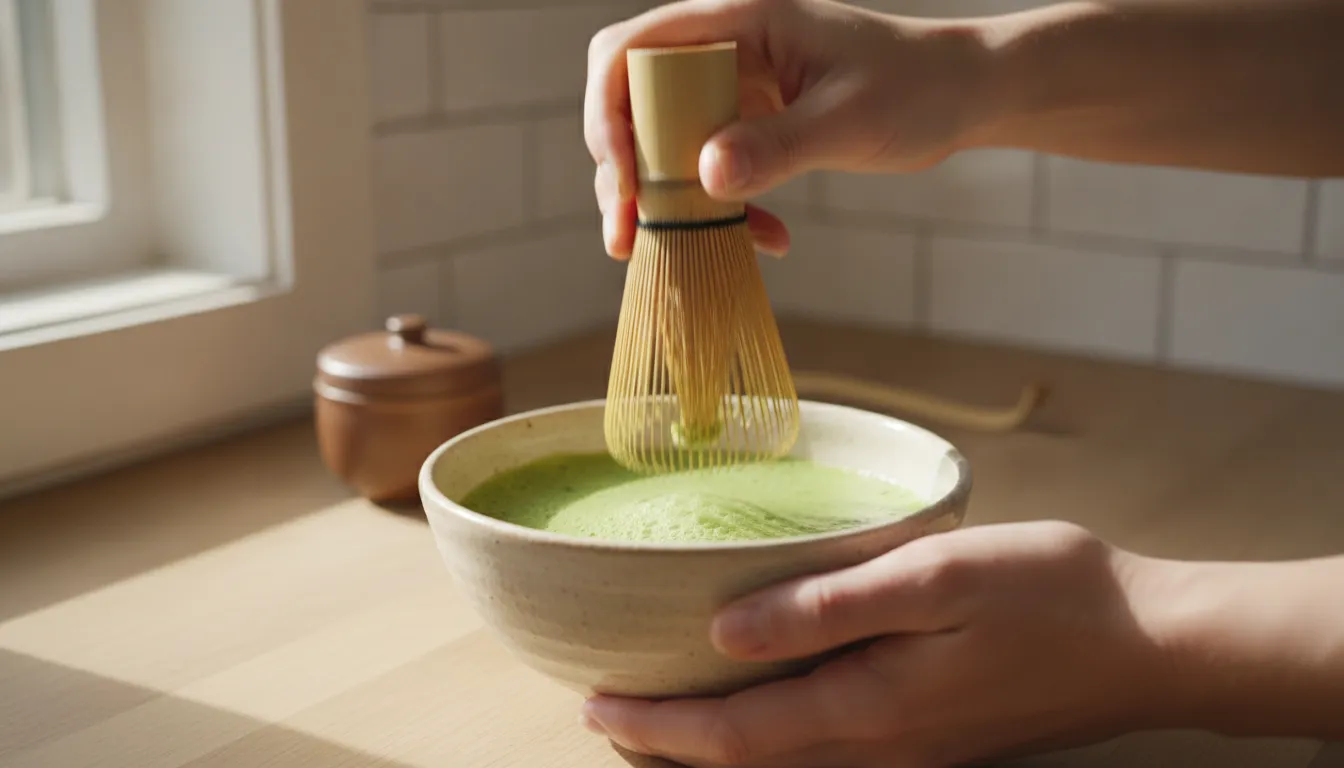
For tea lovers, making iced matcha is a calm and deep act. The classic method uses a bamboo whisk, called a chasen, to blend the powder. Research from Harvard Health shows that matcha is a suspension. This means the fine green powder does not dissolve in water. A proper whisking technique is needed to prevent clumps.
The role of a bamboo whisk
The chasen has many fine tines carved from a single piece of bamboo. These tines help whip air into the liquid and break up the tea powder. Using a metal spoon or a plastic fork will not give you the same smooth texture. The bamboo tool creates a rich, creamy froth that carries a sweet scent. This process is not just about mixing. It is a way to slow down and enjoy the tea.
Sifting the vibrant powder
To get a smooth drink, you must sift the powder first. Fine matcha grains often stick to each other in the jar. Sifting breaks up these tiny balls before they touch any liquid. You can learn more details in our how to make matcha guide. Sifting ensures that each grain can mix freely with water to stop clumping.
If you skip this step, you will find dry pockets of powder at the bottom of your glass. These clumps are bitter and ruin the taste of your drink. A small, fine-mesh strainer made of metal works best for this task. Simply scoop your tea into the mesh and press it gently with a spoon. The powder will fall into your bowl like a soft green mist.
Creating the warm foam
Adding the green powder straight into cold water will make it clump. Cold water does not help the tea powder mix well. To prevent this, you should start by making a smooth paste with a small amount of warm water. Pour about two ounces of warm water over the sifted powder in your bowl. The water should be hot but not boiling to keep the tea sweet.
Whisk the warm water and tea in a zig-zag motion with your chasen. Move your wrist fast back and forth to create a thick, pale green foam. Once you have a rich foam, your warm base is ready. Next, you can pour this fresh liquid over a tall glass filled with ice cubes and cold water or milk. Whisking with warm water first gives you a cold drink that is smooth, frothy, and full of flavor.
The Cold Brew and Infuser Method for Iced Matcha
A slow and mindful steep
The cold brew method is a slow and quiet path to prepare your drink. Instead of fast whisking, you let the green tea powder steep or infuse in cool water over time. This slow steeping gives a softer and less intense taste. It respects the calm of the traditional tea ceremony. Making iced matcha in your daily routine is a cool, fresh way to enjoy the classic taste of Japanese green tea.
The water should be cool or room temperature. Warm water can be used to start the brew, but you must avoid hot water. Hot water can extract bitter notes too fast, which spoils the soft nature of the steep.
Sweet and mellow flavor
The shading of the tea plants before harvest creates a unique leaf. Because of this shading, the flavor of matcha is sweeter and smoother than other green teas. A cold infusion draws out these sweet, mellow notes without any bitter edge. But the cold water means the liquid may look less vivid than a hot, whisked cup. It has a soft, calm look and a smooth feel.
To get the best taste from a cold steep, you should use a high-grade powder. A high-grade option, like a ceremonial matcha, retains its rich and complex umami profile. Lesser grades can taste flat when you brew them in cold water. A premium choice ensures you get a full, deep cup.
A modern infuser bottle
To make cold brew simply, you can use a special tool. Sorate offers a sleek glass bottle infuser and shaker designed just for this method. You simply add your green powder and cold water to the bottle, close the lid, and let it steep. The glass keeps the taste pure and clean.
You can keep the bottle in your fridge for a few hours to let the flavor grow. Before you drink, give the bottle a light shake to lift any powder that settled at the bottom. Pour the cold liquid over a glass of fresh ice. This quiet, slow prep brings a sense of calm to a hot summer day.
The Shaker Method With a Glass Bottle Infuser
Traditional tea prep is beautiful, but sometimes we need a fast way to get our cold green tea fix. On busy mornings, I often turn to the shaker method. It is a quick and portable path to a great iced cup. For this, I love to use a simple glass bottle infuser and shaker. This tool makes it easy to enjoy the tea ritual on the go.
How shaking replaces the bamboo whisk
Many people ask how to prepare cold tea without a Chasen, which is the traditional bamboo whisk. The secret lies in rapid movement. A study from Harvard shows that matcha is a suspension, which means the powder does not dissolve in water. Active shaking keeps the powder suspended in the liquid, ensuring a smooth sip that does not settle.
The role of rapid agitation
When you use a sealed glass shaker, you create strong force that breaks up clumps. You do not need hot water to start the process. Just add a teaspoon of premium powder and cold water to your bottle. Seal the lid tight and shake the bottle up and down for thirty seconds. The swift motion creates a light, frothy top that mimics the texture of a whisked bowl.
Proper agitation in cold liquid is the key to a good cup. If you do not shake it well, the powder will slowly drift to the bottom of your glass. A good shake ensures the green tea powder stays mixed throughout your drink from your first sip to your last.
Here are the basic steps for this quick method:
- Sift one teaspoon of matcha powder to remove any large clumps.
- Pour six ounces of cold or cool water into your shaker bottle.
- Drop in the powder, close the lid tight, and shake the bottle for thirty seconds.
- Pour the smooth green liquid over a tall glass of ice and enjoy.
Portable cold preparations
This shaker method also allows you to get creative with your drinks. You can easily make cool iced drinks, like a cold green tea latte, on your way to work. Simply add cold milk instead of water, or shake the powder with water first before you pour it over ice. You can even mix in a dash of yuzu or mint to make refreshing cold matcha recipes for a sweet summer treat.
How Iced Matcha Preparation Methods Compare
Every cold brew method offers a unique way to enjoy Japanese green tea. While classic prep relies on a bamboo whisk, modern iced options offer fresh speed and convenience. If you want to explore premium grades, visit our matcha collection to find the best fit for your taste.
Comparing Texture and Flavor Across Techniques
How do these cold methods differ in daily use? While some tools yield a thick froth, others give a light and clean cup. Each way of making the drink suits a specific grade of tea and lifestyle.
Classic matcha prep uses a Chasen, or bamboo whisk, to mix the green tea powder. But modern options like shakers are now common for cold drinks. This change is helpful because matcha powder does not dissolve in water. According to a Harvard Health study, matcha is a suspension, so you must use the right method to avoid big clumps.
| Method. | Texture. | Flavor. | Time to Make. | Tools Needed. | Best Matcha Grade. |
|---|---|---|---|---|---|
| Traditional Whisk-Then-Ice. | Thick and creamy foam. | Rich and deep umami. | 2 minutes. | Bamboo whisk and bowl. | Premium or Superior. |
| Cold Brew/Infuser. | Light and clean. | Sweet and very smooth. | 5 minutes. | Glass bottle or jar. | House or Superior. |
| Shaker. | Frothy and airy. | Bright and crisp. | 1 minute. | Shaker bottle. | House grade. |
The Physical Mechanics of Cold Agitation
Mixing the tea powder in cold water can be a real test. Making a smooth mix requires strong shaking or whisking. Cold liquids are thick and do not mix as easily as warm water. This means you must mix the liquid with more force to break up the dry powder.
A quick shaker is a great choice when you do not have a bamboo whisk. Using a modern glass bottle infuser is an easy way to make your drink on the go. You can easily shake the bottle to mix the tea into a smooth blend in seconds.
Optimal Consumption and Settling
Once you make your drink, you should enjoy it right away. Even a well-made blend will start to separate over time. The tea powder does not stay suspended in the cold water forever, so it will slowly sink to the bottom. If you see settling, simply shake or stir the cup to remix the tea.
How to Avoid Clumps and Bitterness in Iced Matcha
The Science of Cold Clumping
Making iced matcha can sometimes be frustrating. You might end up with dry green clumps or a bitter taste at the bottom of your glass. This happens because matcha is a suspension, meaning it does not dissolve in water. The fine powder simply floats in the liquid, so you need the right technique to keep it smooth.
Mixing cold liquid is harder than warm liquid because of its thickness. When you add the powder directly to a cold cup, the green particles stick to each other. This makes it hard to get a smooth texture without a small amount of heat or a lot of force.
Sifting and Creating a Warm Paste
To prevent clumps, I always start by sifting the powder through a fine mesh strainer. Sifting breaks up packed tea balls before they touch the water. Next, you should make a thick paste by whisking the sifted powder with a small amount of warm water. You can find the best tea amounts in our guide on the ideal matcha ratio for lattes.
Once your warm paste is smooth, you can add cold water, milk, and ice, but you must not stop mixing there. Good shaking or whisking is needed to keep the green powder floating in the drink rather than letting it fall to the bottom. Because this is a suspension, the tea will settle if it sits too long. I suggest drinking your iced cup fast, or giving it a quick stir right before you take a sip.
Taming Bitter Notes in Cold Brews
The heat of your water also affects how bitter your tea tastes. Many people think that using boiling water will brew the tea faster, but hot water burns the young leaves. This lets out harsh notes, so I suggest using water around 176 degrees Fahrenheit for the best taste. You can learn more about finding these subtle flavors in our guide on tasting notes for ceremonial matcha.
Last, the grade of your powder plays a big role in the final flavor. Low-grade options are often bitter and grassy, and ice only makes these bad notes stand out. Choosing a high-quality option like a ceremonial grade ensures a sweet, rich umami taste. A premium choice will stay smooth and bright, giving you a fresh cold drink every time.
A Simple Iced Matcha Latte Recipe
Making a cold latte at home is easy. Cafe cups often look complex, but you can build a fresh drink in your own kitchen. Since matcha does not dissolve, you need a smooth suspension to avoid green clumps. Whisking the powder in warm water first allows the tea particles to disperse evenly.
Ingredients for the Perfect Latte
To learn how to make iced matcha lattes, you need the right items. Fresh and simple parts will make your home cup taste just like a drink from a fine tea shop. Gather these things before you begin:
- Two grams of high-grade matcha powder, or one teaspoon.
- Two ounces of warm water.
- Six ounces of cold dairy or oat milk.
- One cup of clean ice cubes.
- One teaspoon of simple syrup, which is optional.
Traditional Whisking and Pouring Steps
Whisking your powder with warm water first creates a rich base. This step prevents clumps when the tea meets the cold milk. A bamboo whisk works best, but a small milk wand also works. Follow these five steps for a smooth drink:
- Sift two grams of matcha powder through a fine strainer into your bowl to break up any packed blocks. Sifting is vital for getting a smooth texture.
- Add two ounces of warm water and whisk in a zig-zag motion to form a smooth paste with dense foam. Do not use boiling water, as it can burn the fine green leaves.
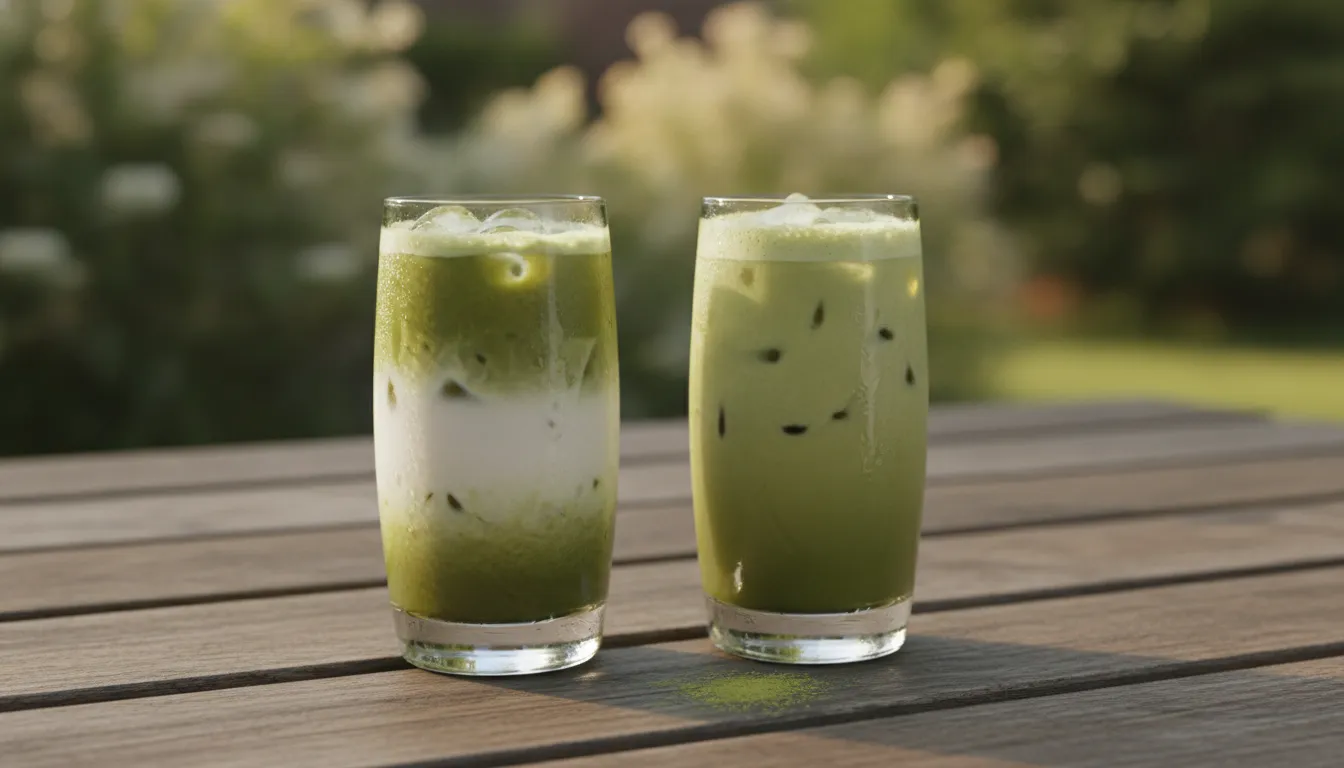
- Fill a tall drinking glass to the top with fresh ice cubes to keep the drink cold. The ice cools the milk and helps support the distinct tea layer.
- Pour six ounces of cold dairy or oat milk right over the ice in the glass. Leave a small amount of space at the top of the glass for the tea.
- Slowly pour the whisked tea over the milk, add simple syrup if you want, and stir the layers. Watch the green liquid drift down into the white milk.
Why Quick Drinking Matters
You should drink your cold latte soon after mixing. Since matcha is a ground leaf powder and not a liquid that melts, the tiny tea particles will sink over time. If you let the glass sit, the rich green layer will settle at the bottom of the milk. A quick stir with your straw will mix the layers again, but drinking it fresh gives the best taste.
Browse the matcha collection and pick the perfect grade for your iced cup.
Frequently Asked Questions
Can I just mix matcha with cold water?
No, adding the green powder directly to cold water often leads to heavy clumping. According to a Harvard Health study, the powder does not dissolve in water. Cold water makes it even harder to mix. To get a smooth cup, you should first blend the powder with two ounces of warm water to make a paste. Then, you can pour in cold water and ice.
Does matcha dissolve in cold water?
Matcha does not dissolve in water at all because it is made of ground tea leaves. Instead, the fine powder forms a suspension in the liquid. Harvard Health notes that proper whisking or shaking is needed to create a smooth drink without clumps. Without enough movement, the green particles will soon settle to the bottom of your cup. You must drink your iced matcha quickly after mixing.
Do I need a bamboo whisk to make iced matcha?
You do not need a traditional bamboo whisk to prepare a cold cup. Sorate guides show that while a bamboo whisk is great, a shaker bottle or blender is perfect for iced drinks. You can put your green powder and cold water into a tight bottle and shake it hard for thirty seconds. This fast movement creates a light foam and suspends the powder.
How to make iced matcha latte?
To make this creamy drink, first sift your powder into a bowl. Whisk it with two ounces of warm water to create a smooth, frothy paste. Next, pour this green mixture into a glass filled with fresh ice and your choice of cold milk. According to the Sorate prep guide, this warm start keeps the powder from forming lumps in your cold cup.
Shop Fresh Uji Matcha for Your Perfect iced Cup
No method will rescue stale or low-grade powder. The sweet, creamy foam you want in an iced matcha comes from ceremonial-grade leaves that are freshly ground and sourced straight from family farms in Uji, Kyoto. Our House Matcha gives you a bright, crisp everyday iced cup, while our Matcha Premium delivers the deepest umami when you want a richer drink.
Ready to get started with the best matcha for your next cold cup? Explore the full matcha collection and add a ceremonial grade to your cart today. Pair it with our glass bottle infuser and shaker so your favorite whisk, cold brew, or shaker method is always within reach.


