


Authentic iced matcha lattes should feature a vibrant green color and a deep umami flavor profile. Coffee shop versions often rely on sugary syrups and low grade powders that hide the true taste of the tea.
Moving this ritual into your own kitchen creates a cooling, seasonal drink that respects the ancient traditions of Uji, Kyoto. Preparing this refreshing drink at home allows you to control the quality of every single gram.
Shop Sorate premium ceremonial matcha to get the vibrant green color and rich umami flavor that define authentic Japanese tea.
The perfect iced matcha latte recipe starts with two grams of high quality powder and sixty milliliters of water at 175 degrees Fahrenheit. Whisk the mixture using a bamboo chasen until a thick microfoam forms to ensure there are no lumps in the final drink. Fill a glass with two hundred forty milliliters of ice and pour in two hundred milliliters of your preferred dairy or plant based milk. Gently pour the whisked matcha mix over the top for a beautiful layered look or stir it in for an even flavor. This method preserves the bright green color and rich umami notes that define authentic Japanese matcha.
What Makes the Best Iced Matcha Latte?
A great iced matcha latte starts with ceremonial grade matcha from Uji, Kyoto. This premium powder uses young tea leaves that produce a smooth, umami-rich flavor and a bright green color that stands up well to cold milk.
The success of your iced matcha latte recipe depends on the quality of your ingredients. While many coffee shops use a standard blend, a truly great drink starts with ceremonial grade matcha. This premium powder comes from young tea leaves to ensure a fine texture and deep color. Picking the right powder is the first step in choosing the right matcha for your latte at home.
Understand Matcha Grades
There are clear differences between ceremonial and culinary grades. Ceremonial grade matcha has a unique chemical profile that gives it a smoother taste. Culinary grade is often bold and slightly bitter, which makes it good for baking. For a latte, you want a powder that can stand on its own. Ceremonial grades provide a bright green color and a smooth, umami-rich flavor that mixes well with cold milk.
Source from Traditional Regions
Where your tea grows matters as much as how it is made. Sorate sources its matcha directly from family farms in Uji, Kyoto. This region is famous for its rich soil and old farming ways. By working with local growers, the brand ensures each batch meets high standards for purity and taste. This direct link helps keep the authentic Japanese tea ritual in every cup you make.
Measure for Precise Flavor
Balance is key when mixing your drink. A typical serving uses about 2 grams, or one teaspoon, of high-quality matcha powder. Using too much can make the drink too strong, while too little will let the milk hide the tea flavor. You can master the perfect matcha-to-milk ratio to find the right strength for your taste. Most people find that this amount provides enough depth to cut through the creaminess of milk.
How to Make an Iced Matcha Latte: Two Preparation Methods
Creating a smooth iced matcha latte requires forming a paste with hot water before combining it with cold milk. The traditional bamboo whisk creates a thick microfoam, while a shaker bottle offers a fast alternative with good results.
Making a great latte at home starts with how you mix the powder. Since matcha does not dissolve like sugar, you must first create a smooth paste with hot water to avoid lumps. Matcha is a fine powder made from whole tea leaves. Using real Japanese matcha ensures you get a rich flavor and bright green color.
You will need about 2 grams, or one teaspoon, of powder for a single drink. For the best taste, always use water heated to about 175 degrees Fahrenheit. Water that is too hot can make the tea taste bitter, while water that is too cold will not mix the powder well.
The Traditional Bamboo Whisk Method
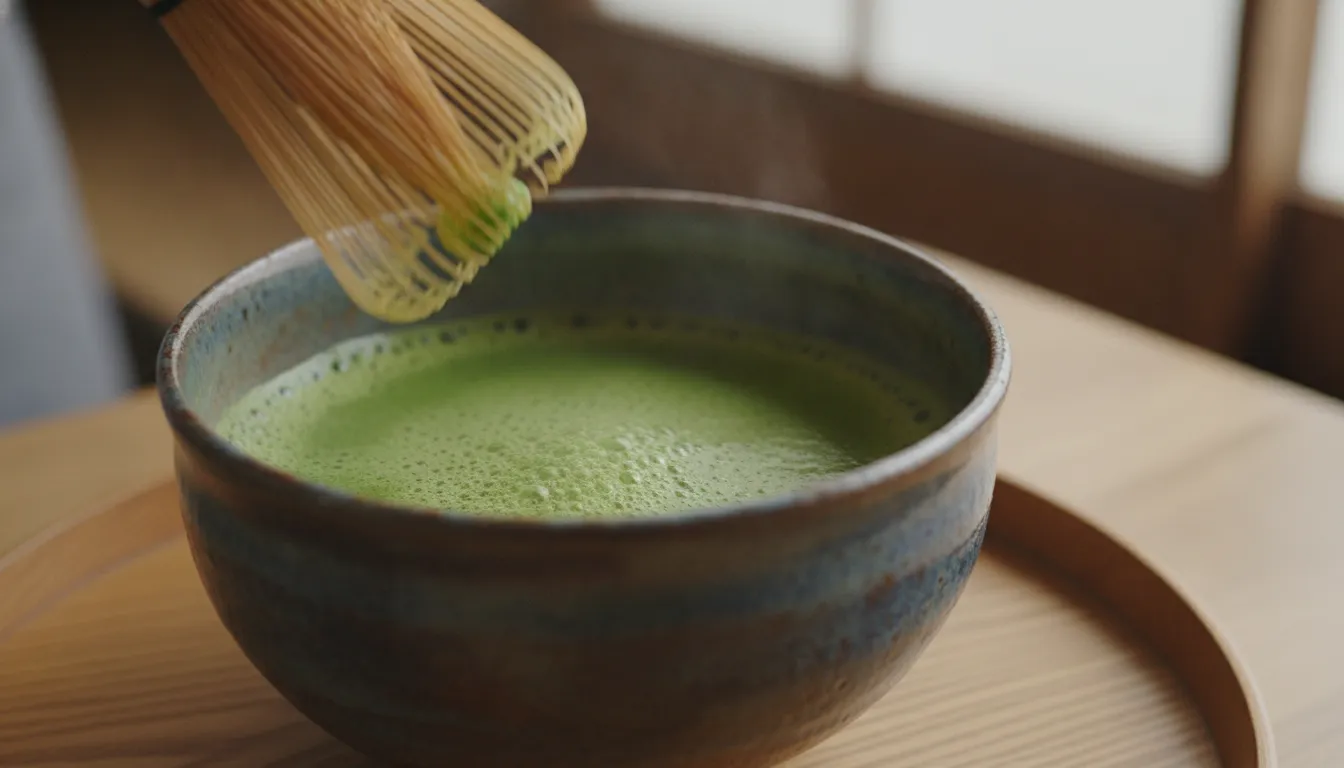
The most classic way to prepare your drink is with a bamboo whisk, also known as a chasen. This tool is a key part of the tea ritual and helps you reach a smooth, froth-like texture. When you use a chasen, you should move your wrist in a quick "W" or "M" motion rather than a circle. This movement adds air to the liquid, which creates a thick foam on the surface. To find the right tools for this process, you can explore a range of traditional tea accessories that help you get the best results at home.
Before you start whisking, it is helpful to sift your powder through a fine mesh strainer. This simple step breaks up any small clumps that form during storage. Once your powder is in the bowl, add about 60 ml of hot water. Whisking for about 30 to 60 seconds will turn the mixture into a vibrant green liquid. This method respects the history of the tea while giving you a better feel in your final latte. You can use this mix to master the perfect matcha-to-milk ratio for a balanced drink.
The Shaker Bottle Method
If you are in a rush or do not have a whisk, a shaker bottle is a great second choice. While it lacks the ritual of the old way, it works very well at mixing the powder into a smooth paste. Simply add your matcha and hot water to the bottle and shake it hard for about 30 seconds.
This action also creates the foam that makes the latte feel creamy. Make sure the lid is tight before you start shaking to avoid any mess. This quick method is a simple way to make a fresh drink without any special tools.
| Feature | Bamboo Whisk (Chasen) | Shaker Bottle |
|---|---|---|
| Skill level | Beginner with practice | Very easy |
| Time needed | 30-60 seconds | 30 seconds |
| Foam quality | Thick, creamy microfoam | Good, lighter foam |
| Equipment cost | Low (one-time) | None (use a jar) |
| Traditional feel | Authentic tea ritual | Modern convenience |
Step-by-Step Assembly
- Sift 2 grams of matcha powder into a small bowl or shaker bottle to ensure there are no lumps in your final drink.
- Add 60 ml of hot water at 175 degrees Fahrenheit to the powder to start the mixing process.
- Whisk the mixture in a "W" motion with a bamboo whisk or shake it in a bottle for 30 seconds until a frothy foam forms.
- Fill a tall glass with about 240 ml of ice cubes to keep your latte cold and cool.
- Pour your prepared matcha mix slowly over the ice to create a base for your drink.
- Add 8 ounces of your choice of cold milk, such as dairy or oat milk, over the matcha and ice.
- Stir in a sweetener like simple syrup if you prefer a sweeter taste, and enjoy your fresh latte.
The type of milk you choose can change the whole feel of your drink. Many people love oat milk because its creamy texture pairs well with the umami-rich flavor of ceremonial matcha. You can also use dairy milk or other plant-based options like almond or soy.
If you want a sweeter drink, simple syrup is an easy choice because it mixes quickly into cold liquids. You can adjust the amount to fit your taste, or skip it entirely to enjoy the natural flavor of the tea. Using plenty of ice is also key to keeping the drink cold from the first sip to the last.
How Do You Cold Brew Japanese Green Tea at Home?
Cold brewing Japanese green tea uses whole leaves steeped slowly in cold water for 6 to 12 hours. The result is a smooth, naturally sweet tea with no bitterness. Use 10 to 15 grams of leaves per liter of water and let the fridge do the work.
Cold brewing green tea is a simple way to enjoy the deep flavors of Japanese tea without the bitterness that hot water can bring. While matcha is a powdered green tea made from the Camellia sinensis plant, other Japanese teas use whole leaves that steep slowly in cold water. You can browse Sorate premium matcha and tea to start your own cold brew ritual at home.
Choose the right tea leaves
The best teas for cold brewing are high-quality, whole-leaf types. Sencha offers a fresh and grassy taste, while gyokuro gives a rich umami flavor. If you want a smoky and roasted flavor, hojicha is a great choice. Unlike matcha, which you whisk and drink fully, these whole-leaf teas infuse the water and are strained out.
The cold brew method
Making cold brew tea at home takes time but very little work. The slow soak in the fridge results in a smooth, sweet cup that is low in bitter notes. This method is perfect for making big batches to keep on hand. Follow these steps to make your cold brew:
- Measure 10 to 15 grams of high-quality Japanese green tea leaves for each 1 liter of cold water.
- Place the tea leaves into a glass pitcher or a special cold brew tea bottle.
- Pour fresh, cold filtered water over the leaves and seal the container.
- Put the pitcher in the fridge and let the tea steep for 6 to 12 hours.
- Strain the liquid to remove the leaves and serve the tea over ice in a clean glass.
Key differences from matcha
It is vital to note that cold brewing whole leaves is not the same as making an iced matcha latte. Matcha involves whisking a fine powder into a liquid. Cold brewing relies on time to draw flavor from whole leaves. Both methods are real ways to enjoy Japanese tea, but they offer distinct textures for the drinker.
What Are the Best Tips for Making Iced Matcha Latte at Home?
Store your matcha in an airtight container away from light and heat. Adjust the powder-to-milk ratio to suit your taste, and use a liquid sweetener like simple syrup if desired. For a layered presentation, pour the whisked matcha over the milk last.
Making a cafe-style drink in your own kitchen is simple once you master a few basic steps. By choosing top-quality ingredients and tools, you can enjoy a fresh latte that beats any shop. Making an iced matcha latte at home also lets you control the matcha-to-milk ratio to suit your own taste.
Protect your matcha quality
Freshness is the most vital factor for a bright, tasty drink. Matcha powder is very sensitive to air, heat, and light. To keep it fresh, store your matcha in a tight container in a cool, dark place.
Adjust the flavor and strength
The balance of your latte depends on how much powder you use. Most recipes call for about 2 grams or one teaspoon of matcha for a standard serving. If you want a stronger taste, you can add a bit more. Finding the right mix between the tea and your milk is the key to a smooth finish.
You also have full control over how sweet your drink is. While some people enjoy the natural taste of the tea, others like to add a liquid sweetener. You can make simple syrup at home by heating sugar and water until they melt. Adding the syrup slowly helps you find the best level of sweetness for your cup.
Create a pretty look
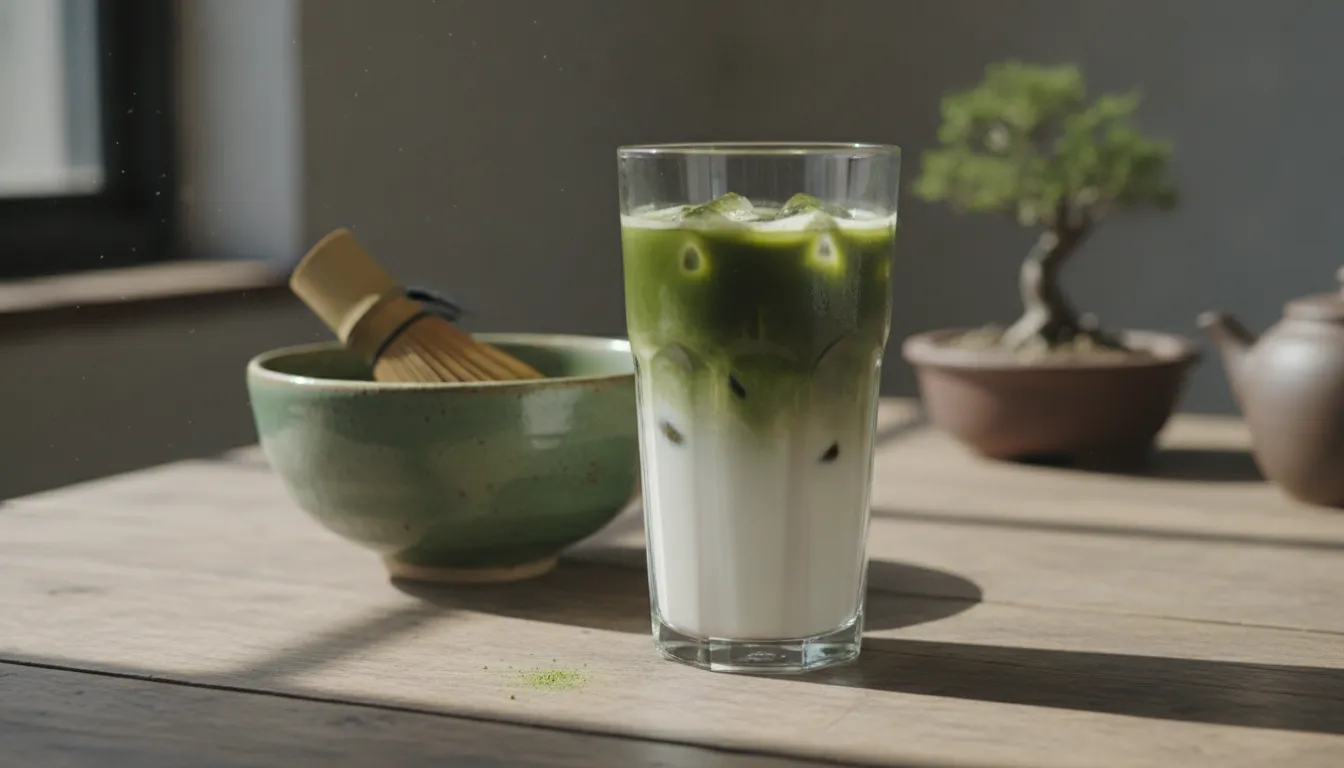
The look of your latte adds to the fun of the tea ritual. For a clean, layered look, do not mix the matcha and milk right away. Instead, fill your glass with ice and milk first. Then, slowly pour your whisked matcha over the top. This creates a bold green and white look. When you are ready to drink, give it a quick stir to blend the flavors.
Frequently Asked Questions
Can I make an iced matcha latte with almond or oat milk?
Yes, you can use many types of milk for this recipe. Both dairy and plant-based options like oat, almond, or soy milk work well. Oat milk is a top choice because its creamy texture pairs nicely with the umami flavor of the tea.
What is the best water temperature for mixing matcha?
The best water temperature for mixing the powder is about 175 degrees Fahrenheit. This heat is high enough to dissolve the tea but low enough to protect its delicate flavor. Boiling water can make the tea taste bitter and harsh. Using the right heat ensures a smooth and umami-rich drink.
Is ceremonial grade matcha better for iced lattes?
Ceremonial grade matcha is the best choice for a premium latte. It offers a vibrant green color and a smooth taste that culinary grades lack. This high-quality powder comes from the first harvest and has a rich umami flavor. Using a premium product ensures your iced latte tastes fresh and authentic.
How should I store my matcha powder at home?
To keep your matcha fresh, store it in an airtight container. Keep the container in a cool and dark place away from light and moisture. Exposure to air can cause the powder to lose its bright color and rich flavor. According to Sorate, careful storage is vital to keep the tea at its best. For even longer freshness, you may store the sealed tin in your fridge.
Can I prepare an iced matcha latte without a whisk?
Yes, you can make a great latte without a traditional bamboo whisk. You can use a shaker bottle or a small jar with a tight lid. Simply put the powder and hot water inside and shake for about one minute. This method creates a creamy microfoam that tastes great.
Start your home iced tea ritual with real Uji matcha
Low grade powder from a shop means you miss the deep taste of fresh matcha and keep paying more for drinks with too much sugar. By picking high quality leaves now, you learn to make a great cold brew for a calm break using tea from small farms in Japan. You can stop wasting time and money on average drinks and start having the rich flavor of a real tea ritual in your house today.
Ready to shop? View our matcha list to shop Sorate premium ceremonial matcha and traditional tea accessories for your home iced latte ritual. You can bring the real taste of Japan into your own house today.


