


Kabusecha vs sencha is ultimately a comparison of growing conditions. Both are Japanese green teas, but kabusecha is cultivated under shade for a period before harvest, while a classic sencha is grown in open sunlight. That difference changes the leaf, the cup, and the way each tea fits into a tea ritual. If you enjoy sencha but want a rounder, more shaded character, kabusecha is a natural style to explore. If you want a brighter, more direct expression of the tea plant, sencha is the place to begin.
Shop Sorate's Japanese green tea collection
Kabusecha vs sencha at a glance
The shortest answer is this: kabusecha is a partially shaded green tea with a fuller, softer, more savory profile, while sencha is generally associated with open-grown leaves and a brighter balance of freshness, vegetal character, and gentle astringency. The exact flavor depends on cultivar, harvest, steaming, rolling, finishing, water, and brewing temperature, so the table below is a useful guide rather than a rigid rule.
| Point of comparison | Kabusecha | Sencha |
|---|---|---|
| Cultivation | Covered before harvest to reduce direct sunlight | Usually grown in open sunlight, or with only light and brief shading depending on the tea |
| Typical cup | Round, smooth, umami-led, with a gentle shaded aroma | Fresh, lively, vegetal, aromatic, and more openly brisk |
| Color | Often deep green in the dry leaf and liquor | Ranges from clear yellow-green to vivid green, depending on steaming and leaf grade |
| Brewing approach | Moderate heat and patient brewing help reveal sweetness and depth | Moderate heat brings out freshness while controlling astringency |
| Best for | Drinkers seeking a fuller, softer green tea experience | Drinkers who enjoy brightness, lift, and a clear everyday cup |
What changes when tea leaves are shaded?
Shade is not a flavoring added after harvest. It is a cultivation choice made while the new leaves are developing. Farmers cover tea bushes with cloth or another shading material, reducing the amount of direct sunlight reaching the leaves for a controlled period before picking.
With less light, the plant develops differently. The leaves tend to retain more of their naturally savory amino-acid character, while the balance of compounds associated with bitterness and astringency shifts. Shade can also support a deeper green appearance and a distinctive aroma often associated with covered cultivation. These effects are why shaded teas can taste rounder and more brothy than an open-grown tea, even though both may be made from the same broad family of tea plant.
The result is not simply that one tea is better. Shading gives the grower another way to shape the raw leaf before it is steamed, rolled, dried, and finished. The length and intensity of shading matter. A shorter or lighter covering period can produce a tea that still feels close to sencha, while more extended or intensive shading moves the profile toward the deeper character associated with other shaded Japanese teas.
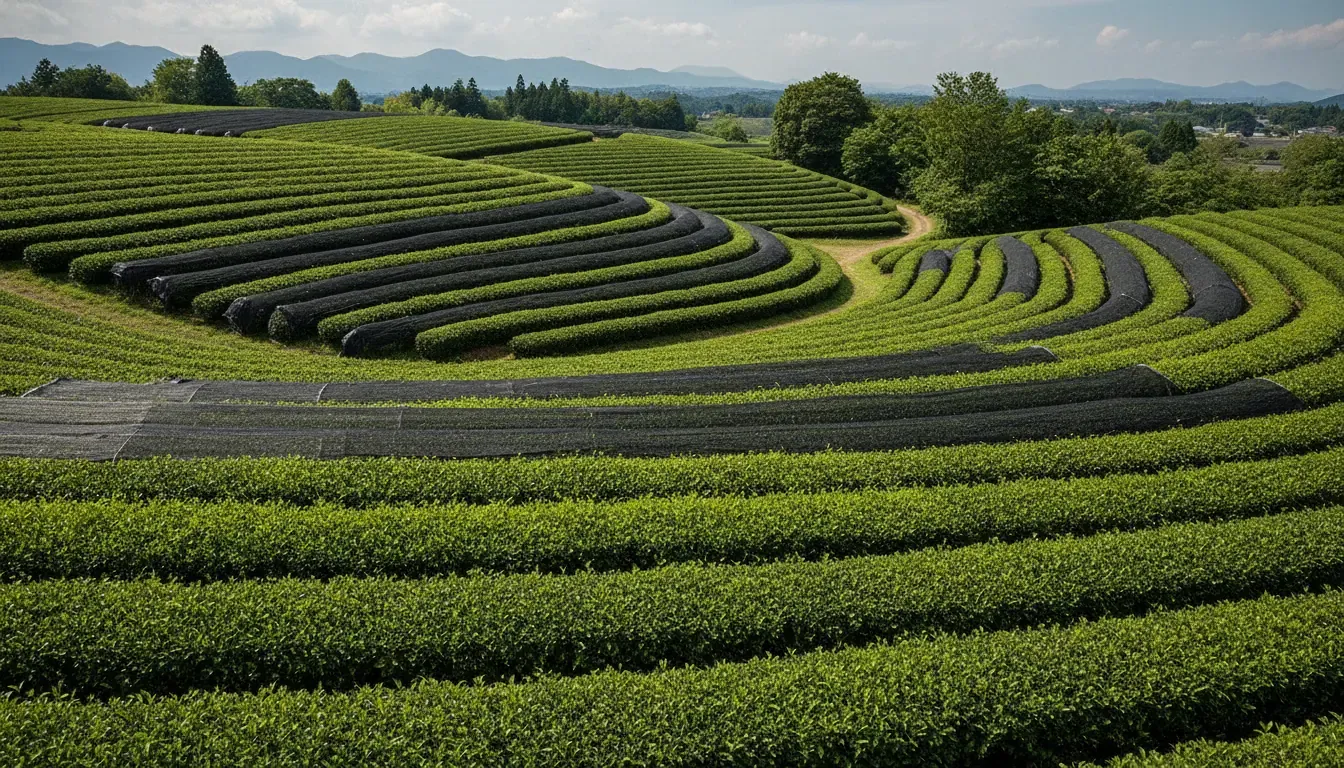
How is kabusecha cultivated?
Kabusecha is often translated as covered tea. Before harvest, the growing tea bushes are covered so the young leaves receive less direct sunlight. In many descriptions, the covering period is about one week to ten days, though the timing, shade level, and equipment vary by region, farm, harvest goal, and weather.
That variation is important when comparing kabusecha and sencha. Kabusecha is not one perfectly uniform taste. A lightly shaded kabusecha may retain the lift and freshness of sencha, while a longer-shaded example can show more pronounced sweetness, softness, and umami. The grower is working with a range of possible expressions rather than following one flavor template.
Japanese tea production guidance also shows that farmers can adjust the timing and intensity of covering to aim for different results, from a tea with more sencha-like color and freshness to a more deeply shaded style. The Mie Prefecture tea cultivation guidance explains how covering periods and shade levels are selected according to the desired quality. As with any agricultural practice, the details should be attributed to the farm or region rather than treated as a universal rule.
How is sencha different?
Sencha is a broad and varied category, not one single flavor. In the classic open-grown style, the tea bushes develop in direct sunlight until the leaves are harvested. After picking, the leaves are steamed to slow oxidation, then rolled and dried. Steaming time, harvest season, cultivar, leaf size, and finishing style all influence the final cup.
Some teas sold as sencha may be lightly shaded or may use a short pre-harvest covering period. This is why the word sencha alone cannot tell you every detail of cultivation. For a useful kabusecha vs sencha comparison, think in terms of a spectrum: kabusecha is defined by meaningful pre-harvest covering, while classic sencha emphasizes the fresh character of leaves grown with little or no covering.
Processing creates another important distinction. Kabusecha and sencha can both be steamed, rolled, and dried, but those shared steps do not erase the difference in the leaf's growing conditions. The cultivation choice comes first, then processing shapes how that leaf expresses itself in the cup. For a closer look at the journey from leaf to finished tea, read Sorate's guide to Japanese green tea processing.
Kabusecha vs sencha: flavor and aroma
Kabusecha flavor
A well-made kabusecha often feels smooth and composed. Look for a fuller body, a gentle savory note, and a soft sweetness that lingers after the sip. Shaded teas may also have a subtle aroma that is sometimes described as sea-breeze-like, vegetal, or quietly floral. The best description depends on the tea, but the common thread is a rounded impression rather than a sharp one.
Kabusecha can be a good choice when you want depth without moving all the way into the intensely concentrated profile of a more heavily shaded tea. It can also reward slower drinking: allow the liquor to cool slightly and the sweetness and aroma may become easier to notice.
Sencha flavor
Sencha often leads with freshness. Depending on the steaming style, it may taste grassy, leafy, citrusy, floral, lightly sweet, or pleasantly astringent. A lighter-steamed sencha can produce a clearer liquor and more defined leaf character. A deep-steamed sencha, sometimes called fukamushi, can be softer and more opaque, with fine leaf particles contributing to its texture.
That range is one reason sencha works so well as an everyday tea category. There is a sencha for a bright morning cup, a deeply aromatic afternoon brew, and many moments in between. If you are comparing these teas for regular drinking, focus less on a fixed ranking and more on whether you prefer a shaded, rounded profile or an open, lively one.
Explore Sorate's guide to Karigane, Gyokuro, and Sencha
How should you brew kabusecha and sencha?
Both teas benefit from water that is cooler than a rolling boil. Very hot water can pull out more bitterness and astringency, especially from a delicate leaf. Start with fresh water, warm the teapot and cup, and adjust the temperature and steeping time to the tea in front of you.
A starting method for kabusecha
- Use roughly 1 teaspoon of loose leaf for a small pot, adjusting to taste.
- Begin with water around 158 to 167 degrees Fahrenheit.
- Steep for about 60 to 90 seconds for the first infusion.
- Pour completely, then taste before changing the next infusion.
- Try a slightly cooler brew if the tea tastes sharp, or a little more time if it feels too light.
These are starting points, not rules. A shaded tea can be expressive at lower temperatures, where its softer sweetness and savory depth have room to develop. If the leaves are especially delicate, use a shorter first infusion and let the second infusion run a little longer.
A starting method for sencha
- Use roughly 1 teaspoon of leaf for a small pot, or follow the tea's package guidance.
- Begin with water around 158 to 176 degrees Fahrenheit.
- Steep for about 45 to 75 seconds, depending on the steaming style and leaf size.
- Pour every last drop from the pot so the leaves do not continue extracting between cups.
- Adjust one variable at a time: temperature, then time, then leaf quantity.
For a brighter sencha, slightly hotter water and a shorter steep can preserve lift. For a more astringent cup, lower the temperature or shorten the infusion. Deep-steamed sencha may need a gentler pour because its smaller leaf particles can move easily through a fine mesh.
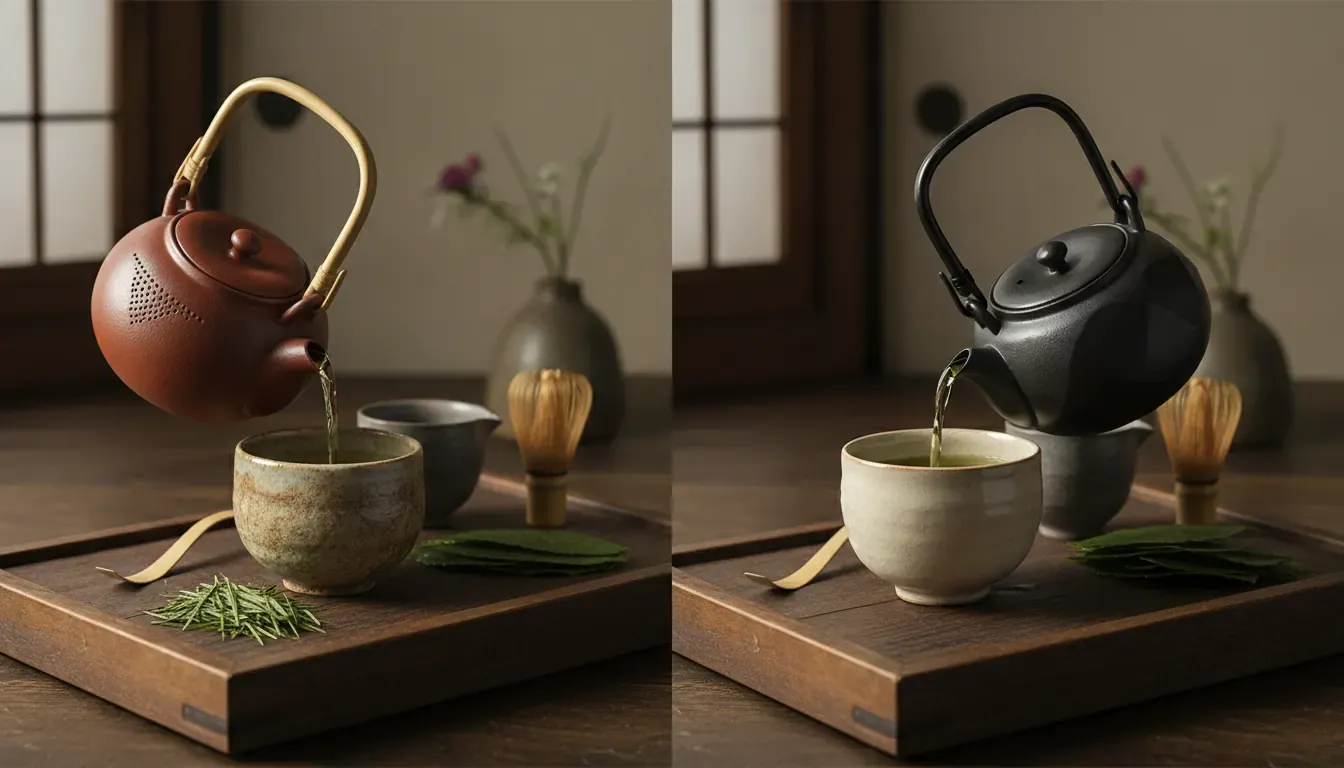
Which tea should you choose?
Choose kabusecha if you want a Japanese green tea with a softer entry, fuller texture, and more pronounced savory depth. It suits a quiet tasting session or a moment when you want to slow down and pay attention to the cup.
Choose sencha if you want a versatile green tea with freshness, lift, and a flavor profile that can range from crisp and clear to deep-steamed and textured. It is a natural everyday choice, especially when you want the brewing process to stay simple and adaptable.
There is also a useful middle ground. If you already enjoy sencha, try a lightly shaded kabusecha and notice what changes in the aroma and finish. If kabusecha feels too soft, return to a brighter sencha. Tasting the two side by side with the same water and teaware is often more revealing than reading another list of tasting notes.
For a broader comparison of a different shaded tea and sencha, see Sorate's Gyokuro vs Sencha guide. That article covers a more pronounced shading contrast, while this guide focuses on the closer relationship between kabusecha and sencha.
Find a Japanese green tea for your next brewing ritual
Frequently asked questions
Is kabusecha stronger than sencha?
Not necessarily. Kabusecha often tastes fuller and more savory, which can make it feel more intense, but strength depends on leaf quantity, water temperature, steeping time, cultivar, harvest, and processing. A deep-steamed sencha can also produce a bold cup.
Does kabusecha contain more caffeine than sencha?
The answer varies by tea and brewing method. Cultivation, harvest timing, leaf position, quantity, water temperature, and infusion time all influence what ends up in the cup. It is better to follow the specific tea's guidance than to assume a category-wide result.
Can I brew kabusecha in a sencha teapot?
Yes. A kyusu or another small teapot works well for both styles. Use enough room for the leaves to open, pour completely after each infusion, and adjust temperature and time based on taste.
Is kabusecha the same as gyokuro?
No. Both are shaded Japanese green teas, but the covering period, shade level, processing choices, and intended profile can differ. Kabusecha is often positioned between open-grown sencha and more heavily shaded teas, though the exact boundary depends on the producer.
What is the main difference in kabusecha vs sencha?
The main difference is cultivation. Kabusecha is covered before harvest, while classic sencha is generally grown in open sunlight. That difference can lead to a rounder, more umami-led kabusecha and a brighter, more direct sencha, although individual teas vary.
For the most useful tasting, brew both teas with the same water, teapot, and serving size. Notice the aroma before the first sip, the texture across the palate, and the finish after swallowing. The better choice is the one that makes you want to prepare another cup.


