


When the weather calls for something cool, matcha does not need milk, syrup, or a hot whisking bowl to become refreshing. A water-only preparation lets the powder stay at the center, with a clean texture and a calm, tea-forward flavor.
Yes, you can make cold brew matcha directly in cold water. Start with about 1.5 teaspoons of House Matcha and 8 ounces of filtered water, then whisk the powder into a small slurry before adding the rest. This extra step helps prevent lumps and creates a smoother suspension.
The method is simple, but the details matter. Cold water changes how the matcha opens in the cup, so the ratio, whisking motion, and choice of powder all shape the final drink. First, let us clarify what makes this preparation different from an iced matcha latte and other chilled matcha methods.
What Is Cold Brew Matcha?
Cold brew matcha is matcha powder whisked into cold water, then kept suspended as you drink it. There is no hot-water step, milk, or required sweetener. The result is a clean preparation that lets the character of the matcha meet the palate directly. Matcha is suited to both hot and cold drinking, so this is not a compromise or a shortcut. It is simply a different way to experience the tea.
Cold water tends to produce a smoother, less bitter profile, allowing natural sweetness and umami to feel more prominent. The texture is also distinct from steeped green tea because the finely milled powder remains in the cup. A vigorous whisk matters: first make a small slurry with the powder, then add the remaining water. This gives you a more even suspension and helps prevent dry pockets or stubborn lumps.
The easiest comparison is with an iced matcha latte. Both preparations can be served cold, but an iced latte is built around milk and often includes a sweetener. Cold brew matcha keeps the focus on matcha and water. If you are deciding between them, think about whether you want a bright, tea-forward drink or a creamy, dessert-like one.
| Feature | Cold brew matcha | Iced matcha latte |
|---|---|---|
| Base liquid | Cold water | Milk or a milk alternative, often with a little water |
| Preparation | Whisk matcha with a small amount of cold water, then add more water and whisk again | Whisk matcha, then combine it with milk and ice |
| Sweetness | Usually unsweetened, so the matcha's own sweetness can lead | Often sweetened to balance the milk and suit the drinker's preference |
| Texture | Light, fluid, and tea-forward, with suspended matcha powder | Creamier and fuller because of the milk |
| Why choose it | To taste the matcha with a clean, refreshing finish | To enjoy a richer, softer drink with a latte-like finish |
If you want to explore other chilled preparations, compare these distinctions with Sorate's guide to iced matcha methods. For a related approach using loose-leaf Japanese tea, the guide to the cold brew technique offers useful context. In each case, the ingredient and method shape the cup. Cold brew matcha is the most direct option when you want cold water, suspended powder, and the full sensory presence of the matcha itself.
Why Cold Brew Matcha Tastes Sweeter and Smoother
The sweetness in cold brew matcha does not come from added sugar. It comes from changing the way water meets the powder. Cold water extracts matcha at a gentler pace, so the cup can feel rounder, softer, and less sharp than a preparation made with hot water.
Temperature is one of the main controls in tea extraction. Research on green tea infusions shows that brewing temperature can influence the resulting chemical profile more strongly than brewing time. The same research found that catechin levels reached a peak under specific high-temperature conditions, including 95 degrees Celsius for 10 minutes. That does not mean a cold cup lacks character. It means the balance of extracted compounds is different. See the published study on brewing temperature and green tea extraction for the underlying analysis.
A gentler extraction leaves less bitterness behind
Hot water is efficient at pulling a wide range of compounds from tea. Along with desirable flavor, it can draw out more of the bitter-tasting catechins and astringent tannins that create a drying sensation across the tongue. Cold water generally dissolves less of these compounds, producing a gentler extraction and a cleaner finish.
That distinction is especially noticeable with matcha because the powder is consumed in suspension rather than strained away like whole leaves. Every sip carries the flavor of the prepared powder, so an overly forceful extraction can make bitterness and astringency hard to miss. Cold water softens that edge. Instead of a puckering finish, you may notice a more delicate progression from fresh, grassy notes to a rounded aftertaste.
Sweetness and umami become easier to notice
When bitterness is not dominating the palate, other qualities have room to show themselves. Cold brewing can bring forward the natural sweetness and umami associated with a well-made matcha. The impression is not candy-like sweetness. Think of a quiet, fresh sweetness that supports the green flavor, with a savory depth underneath and less roughness at the end.
This is why cold brewing is useful for tasting matcha on its own. Milk, syrups, and other additions can be enjoyable, but they also change the flavor conversation. A water-only preparation lets you notice the matcha's texture and balance directly. If the cup tastes too light, increase the powder slightly or allow more time for the cold water to hydrate it. If it tastes too intense, add water before reaching for a sweetener.
Technique still shapes the final texture
Temperature is only part of the result. Matcha is a suspension, so a drink can taste rough or weak when the powder has not been incorporated evenly. Start by whisking the powder with a small amount of water into a smooth slurry, then add the remaining cold water and whisk again. This helps distribute the powder instead of leaving dry pockets or clumps.
A quick stir before sipping also keeps the flavor consistent. With the right ratio, thorough whisking, and cold filtered water, cold brew matcha can taste naturally sweet, distinctly umami, and remarkably smooth without needing any extra flavoring.
The Best Matcha for Cold Brewing
Cold water is remarkably honest. Without heat to soften the edges of a powder. Every part of the matcha shows up in the cup: its aroma, color, texture, sweetness, and any bitterness or dullness. That is why the quality of the powder matters even more when I make cold brew matcha. A delicate preparation needs a matcha that is smooth enough to enjoy on its own, without milk or sweetener to cover flaws.
For this method, look for a ceremonial-grade matcha that is finely stone-ground and intended to be whisked directly into water. A well-made powder should disperse into a vivid green suspension, with a soft texture and a clean finish. It should taste rounded and gently sweet, with the savory depth often described as umami. Sorate House Matcha, sourced from a family-owned farm in Uji, Kyoto, is a natural fit for this style of preparation. Its character can remain clear even when the water is cold, allowing the drink to feel refreshing without losing the sense of ritual behind the bowl.
Why grade and texture matter
Matcha is not steeped and then removed from the water. The finely milled leaf becomes part of the drink, so there is nowhere for uneven texture or stale flavor to hide. In cold water, a lower-quality powder may taste flat, overly astringent, or difficult to suspend. A fresh, finely ground matcha gives you a more composed starting point and rewards the extra whisking that cold preparation requires.
Color is useful as one visual cue, but it is not the whole decision. Consider the powder's freshness, how it was produced, and whether its flavor suits a water-only preparation. Stone grinding creates the fine texture needed for a smooth suspension, while careful storage preserves the powder's aroma and vibrant appearance. Keep it airtight and away from light and humidity so the next glass tastes as intentional as the first.
Choosing a matcha for your glass
I recommend starting with about 1.5 teaspoons of House Matcha for 8 ounces of cold, filtered water, then adjusting the strength to your preference. That ratio gives the powder enough presence to carry the drink over ice without becoming harsh. If you prefer a lighter glass, reduce the matcha slightly. If you want a more concentrated serving, add powder gradually rather than guessing all at once.
Begin by making a small slurry with a little water. Whisk until smooth, then add the remaining water and whisk again. This small pause turns a quick cold drink into a simple ritual, and it helps the powder stay suspended instead of collecting in dry pockets at the bottom. For a dependable starting point, explore Sorate's matcha collection, or choose the ceremonial grade matcha selected for a clean, vibrant cup. Stir once more before sipping and let the Uji character come through without distraction.
How to Cold Brew Matcha: Ratio and Steps
Cold brew matcha is simple once you treat the powder as a suspension rather than a tea that needs steeping. The essential ratio is 1.5 teaspoons of House Matcha to 8 ounces of cold, filtered water. That gives you a full, savory cup, but you can use a little less for a lighter drink or add more for a bolder matcha character. The important part is to whisk the powder into the water thoroughly before adding ice.
For the cleanest flavor, use cold filtered water. Water quality matters because impurities can distract from matcha's delicate grassy notes, sweetness, and umami. I also recommend whisking in a bowl first, then transferring the drink to your glass. Cold water takes a little more effort to incorporate than warm water, and the extra step makes the final texture noticeably smoother.
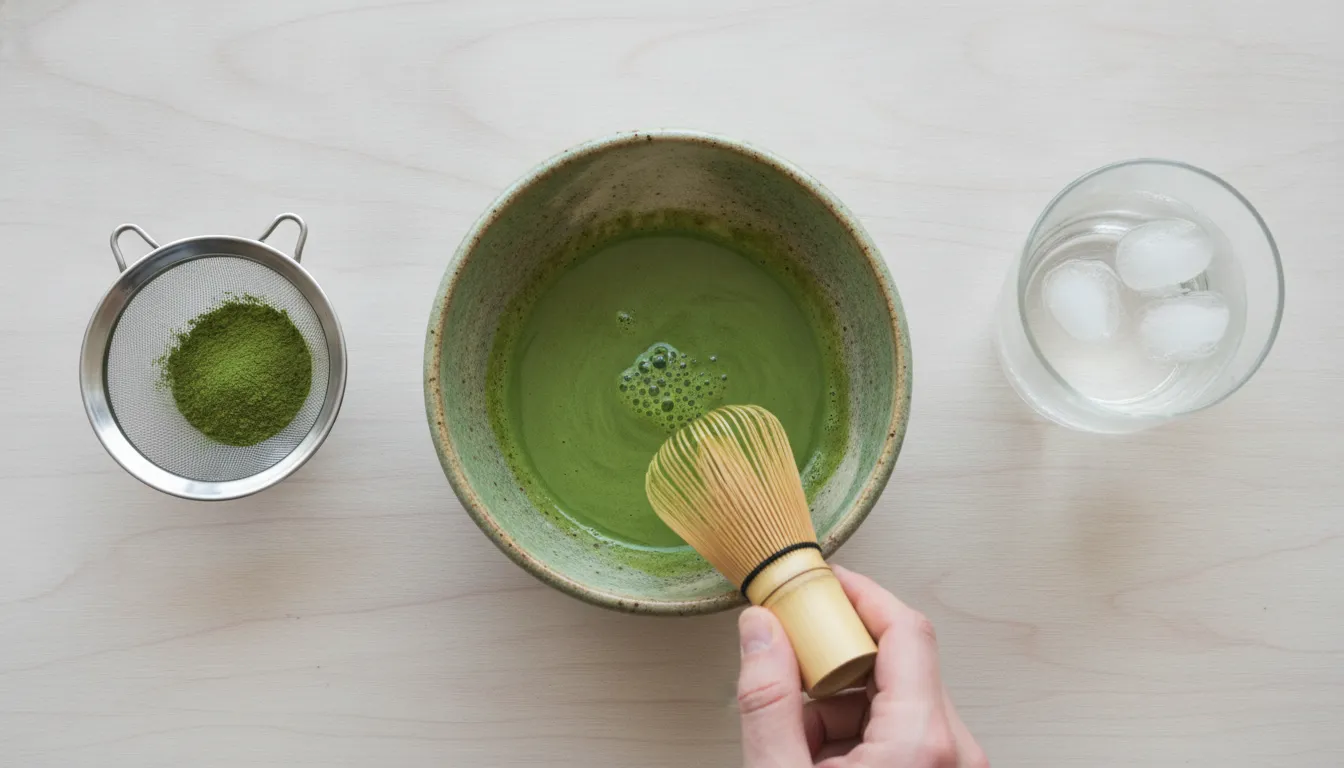
- Gather your tools and ingredients. Measure 1.5 teaspoons of House Matcha and 8 ounces of cold, filtered water. Set out a bowl, a matcha whisk, and a serving glass filled with ice. A clean glass makes the vivid green color part of the experience.
- Sift or press the matcha. Add the powder to the bowl. If you have a fine sifter, pass the matcha through it. Otherwise, press any visible clumps gently with the back of a spoon. This small preparation step helps the powder disperse more evenly.
- Make a smooth slurry. Add a small splash of room-temperature or cold water to the bowl, just enough to wet the matcha. Whisk until it forms a smooth, thick slurry with no dry pockets. Starting with less water gives you control and helps prevent lumps in the finished drink.
- Add the remaining water. Pour in the rest of the 8 ounces gradually. Keep the whisk moving as the mixture loosens, scraping across the bottom and sides of the bowl so the slurry becomes fully incorporated.
- Whisk vigorously until frothy. Use quick back-and-forth strokes at the surface and through the liquid. Continue until the matcha looks evenly suspended and a light layer of froth forms. The goal is a smooth, vibrant drink, not a thick paste.
- Pour over ice. Transfer the cold brew matcha to your prepared glass. Adding ice after whisking keeps the powder properly suspended before chilling it further.
- Stir before each sip. Matcha is a suspension, so some powder can settle as the drink rests. Give the glass a quick stir before drinking to keep the color, flavor, and texture consistent.
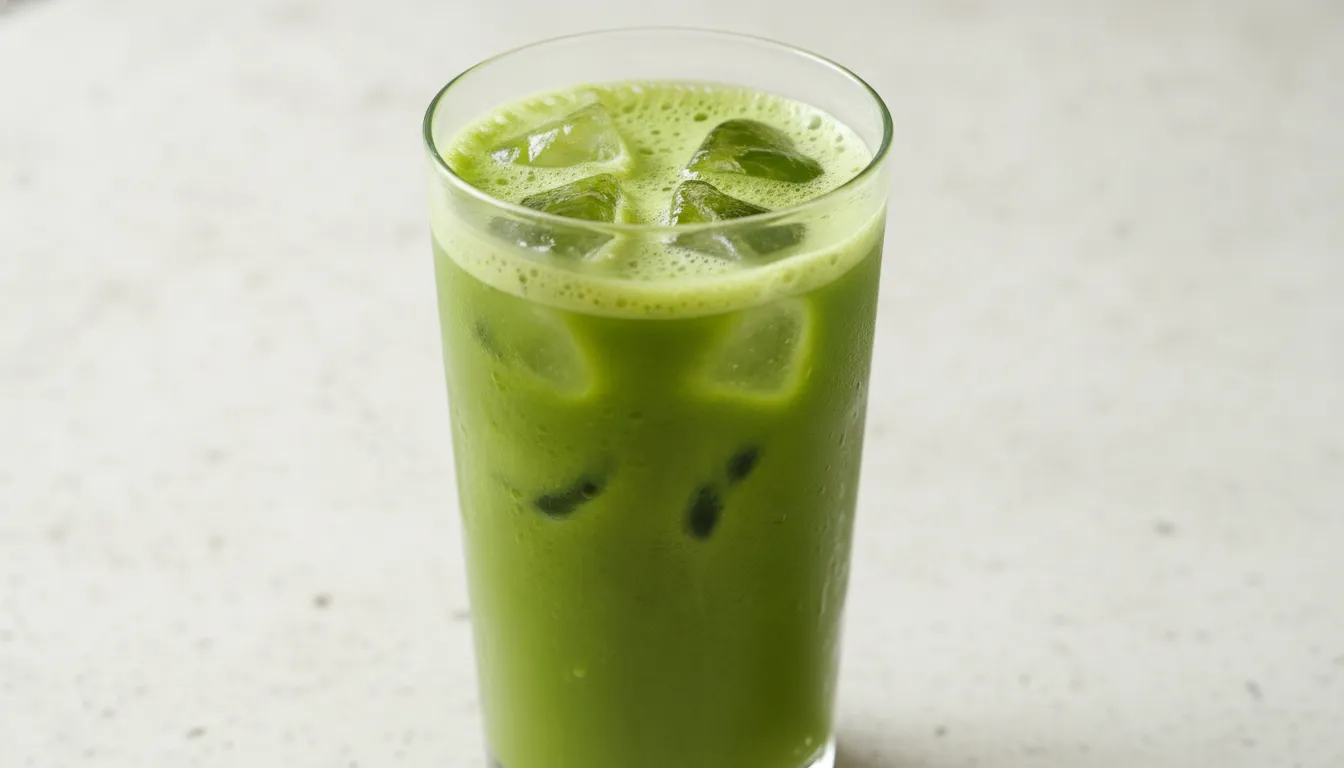
Once you have the basic ratio down, adjust it gradually rather than changing several things at once. More matcha creates a deeper, more concentrated cup, while extra water softens the intensity. This cold brew matcha method keeps the preparation direct: powder, water, whisk, and ice, with no added milk or sweetener required.
How to Whisk Matcha in Cold Water
Cold water does not soften matcha powder as quickly as hot water, so a casual stir often leaves dry pockets and stubborn clumps. The answer is not heat. It is technique. Start by turning the powder into a smooth slurry, then gradually build the drink with the rest of the water. This gives each particle room to disperse and creates the fine suspension that makes a cold matcha feel smooth rather than grainy.
Start with a small slurry
Sift your matcha into a bowl or wide glass if you have a small sieve nearby. This breaks up compacted powder before you add water. Pour in a small amount of cool or room-temperature filtered water, just enough to moisten the matcha. Whisk this mixture until it looks glossy and fluid, with no dry green pockets around the sides of the bowl.
Once the slurry is smooth, add the remaining cold water in stages while continuing to whisk. This two-part method is more reliable than dropping matcha into a full glass of water, where the powder can float. Cling to the surface, or settle at the bottom before you have a chance to disperse it. For the standard recipe, begin with about 1.5 teaspoons of House Matcha and 8 ounces of cold water, then adjust the strength to your taste.
Choose the tool that suits the moment
A bamboo whisk is my first choice when I am making cold matcha at home. Its many fine tines move through the slurry quickly and help create a light layer of microfoam without heating the drink. Use a brisk back-and-forth motion, closer to a quick W than a slow circular stir. Keep the whisk near the surface once the mixture is smooth, and finish with a few gentle strokes to settle the foam.
If you do not have a bamboo whisk, a spoon can work for the initial slurry, but it takes more patience to achieve an even suspension. A portable shaker or tightly sealed bottle is practical when you are preparing matcha at work, while traveling, or outdoors. Add the slurry and remaining water, secure the lid, and shake vigorously. Check the bottom before drinking, since even a well-shaken cold matcha may settle as it sits.
For a closer look at the differences between tools, see our guide to choosing a matcha whisk. The equipment can change, but the principle stays the same: disperse the powder first, then give it enough movement to remain suspended.
Keep the ritual, even when the water is cold
Cold preparation can be quick without feeling careless. Sifting, measuring, and whisking give the process a deliberate rhythm. Pause to notice the color and texture as the slurry changes, then add the water slowly and take the first sip before adding ice. If the drink begins to settle, a brief stir brings the matcha back together. For the full foundation, revisit our guide to preparing your matcha. The goal is a clean, vibrant suspension and a calm moment, not simply a cold drink assembled in a hurry.
Cold Brew Matcha Variations to Try
Once you have a smooth cold brew matcha base, small additions can shift its character without covering up the tea. I like to start with the plain version, taste it, and then build from there. These variations are quick, seasonal, and easy to adjust depending on what sounds refreshing.
Make it sparkling
For a brighter, more effervescent drink, prepare the matcha with a small amount of cold water first, then pour it over ice and top with chilled sparkling water. Add the sparkling water slowly so the drink does not foam over. Give it a gentle stir before sipping. The bubbles lift the fresh, grassy notes and make the drink feel especially lively on a warm afternoon.
Add a little citrus
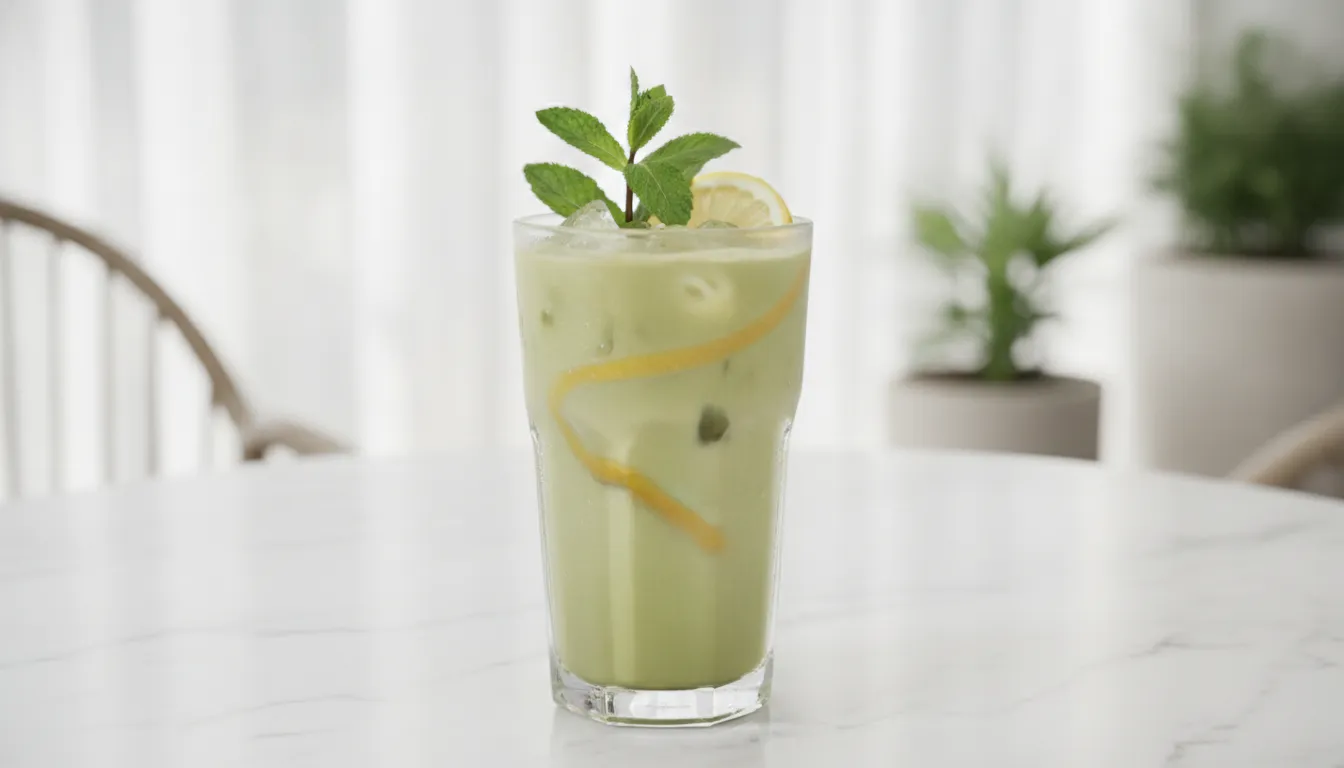
A squeeze of lemon or lime brings a clean, tart edge to cold brew matcha. Lemon keeps the flavor soft and familiar, while lime gives it a sharper, more aromatic finish. Add just a small squeeze at first, stir, and taste. The goal is to brighten the matcha, not turn the drink into citrus water. A thin peel or wedge can add fragrance without requiring much juice.
Try fresh mint or herbs
Fresh mint is an easy way to make the drink taste cooler and more aromatic. Lightly clap a few leaves between your hands before adding them to the glass, or muddle them very gently if you want a stronger herbal note. Basil can work too, particularly with citrus, but use a light touch. Delicate matcha is best when the herb remains a lift in the background rather than the main flavor.
Turn it into an iced latte
For a rounder, creamier variation, add a light splash of milk or a plant-based alternative to the cold brew base. Pour the milk over ice, add the whisked matcha, and stir once or twice to create soft ribbons of green. Keep the amount modest if you want the matcha to remain distinct. If you prefer sweetness, add it gradually and only to taste, since the cold temperature can change how sweetness comes through.
Think of these as starting points rather than fixed recipes. Sparkling water, citrus, mint, and milk each change the texture and aroma in a different way, while the cold brew matcha underneath remains the anchor.
How Long Does Cold Brew Matcha Last and How to Store It?
Cold brew matcha is at its best soon after you prepare it. Because matcha powder is suspended throughout the water rather than steeped and removed like loose-leaf tea, the drink can settle as it sits. For the freshest flavor, color, and texture, I recommend drinking it within a couple of hours and preparing only as much as you plan to enjoy.
How long does cold brew matcha stay fresh?
A small batch is the simplest way to protect the character of the drink. Make one serving, keep it cold while you are drinking it, and give it a gentle stir before each sip. Even a well-prepared suspension can begin to separate after a few minutes. That does not mean the matcha has spoiled; it means the fine powder is settling and needs to be redistributed.
For that reason, cold brew matcha is not an ideal make-ahead drink for several days. Its texture and flavor are most enjoyable shortly after whisking, when the green color is vibrant and the powder is evenly dispersed. If you need to prepare it ahead for a gathering, use a small sealed container, refrigerate it, and plan to serve it the same day. Stir or shake gently before pouring, then check the aroma and flavor before serving.
Use a clean vessel and fresh, cold water each time. Keeping the drink chilled can help it remain pleasant for the short period before serving. But refrigeration does not remove the natural settling that comes with a powdered tea. When in doubt, make a fresh batch rather than trying to stretch one past its best window.
How should I store matcha powder?
The powder itself needs more protection than the prepared drink. Transfer an opened package to a genuinely airtight container, or close its original packaging carefully if it is designed to reseal. Keep it away from direct light, humidity, heat, and strong aromas. A cool, dark cupboard is a practical everyday location, especially if you use matcha regularly for cold drinks.
Humidity is particularly unhelpful because it can encourage clumping and make the powder harder to whisk smoothly. Avoid leaving the container open while you measure, and use a dry spoon. Open it only long enough to portion what you need, then seal it again. Proper storage helps preserve matcha's vibrant green color and keeps its fine texture ready for the next cold preparation.
When the powder is stored well and each batch is made in a small quantity. Cold brew matcha stays a simple, fresh ritual rather than a drink that needs complicated advance planning.
Shop House Matcha for cold brewing
Frequently Asked Questions
Can you cold brew matcha?
Yes. Matcha is already finely ground, so it can be whisked directly into cold water without steeping or heating. Start with a small amount of water to make a smooth slurry, then add the rest and whisk until the powder is evenly suspended.
What is the ratio of matcha to water for cold brewing?
A useful starting point is 1.5 teaspoons of House Matcha per 8 ounces of cold water. Use a little less for a lighter cup or a little more for a bolder, more concentrated drink. Once you find your preferred strength, keep the ratio consistent.
How do you mix matcha in cold water?
Sift the matcha into a bowl, add a small splash of cold or room-temperature filtered water, and whisk vigorously until no dry pockets or lumps remain. Add the remaining water gradually, continue whisking, and pour over ice if desired. Give the drink a gentle stir before sipping.
Do you need a bamboo whisk for cold brew matcha?
A bamboo whisk gives you the most traditional preparation and helps create a smooth suspension, but it is not essential. A shaker bottle or electric whisk can work well when you are preparing matcha away from home. Whichever tool you use, mix the initial slurry thoroughly.
How is cold brew matcha different from an iced matcha latte?
Cold brew matcha is simply matcha and cold water, so its flavor is clean, grassy, and umami-forward. An iced matcha latte adds milk and often a sweetener, creating a softer and richer drink. Choose the water-only version when you want to taste the matcha on its own.
Make Your Cold Brew Matcha with House Matcha
Cold brew matcha starts with the right powder. Sorted and stone-ground from young shaded leaves on our family farm in Uji, Kyoto. House Matcha whisks into a smooth, sweet, vibrant cold brew without a hint of grit.
Brew it solo over ice, or turn it into a refresher with a squeeze of citrus and a spring of mint. Keep a tin by the kettle and make the ritual part of your warmer days.


