


Some Japanese green teas arrive as elegant, needle-like leaves. Others look noticeably more delicate, with small flakes and fine particles that settle quickly in the pot. That difference is not a flaw. It reflects how the leaves were processed and how they will behave in your cup.
Shop Sorate's Sencha Fukamushi Superior
For a home brewer, understanding that connection between steaming, leaf appearance, and extraction makes the ritual more intuitive. Before adjusting water temperature or steeping time, it helps to see what deep steaming changes in the leaf itself.
What Is Fukamushi Sencha?
Fukamushi sencha is sencha steamed for longer than traditional sencha, a process that breaks down more of the leaf structure. The result is often a deeper green, more opaque infusion with a fuller flavor and less perceived astringency. The smaller leaf particles can also make the tea extract quickly.
Fukamushi sencha is a style of Japanese green tea made by steaming the leaves for longer than standard sencha. The Japanese term fukamushi means "deep steaming," and it describes a processing choice rather than a separate tea cultivar. In other words, the same broad sencha category can take on a different character depending on how long its fresh leaves are steamed.
After harvest, tea leaves are steamed to halt oxidation before they are kneaded and dried. With fukamushi, that steaming stage is extended. Reference material commonly describes deep steaming as roughly one to three minutes, compared with a shorter steaming period for ordinary sencha. Those figures are useful general context, not a fixed specification for every tea. The exact timing can vary by producer, leaf, and processing style. You can see the longer-steaming distinction explained in this overview of fukamushicha and in CDJapan's guide to deep-steamed sencha.
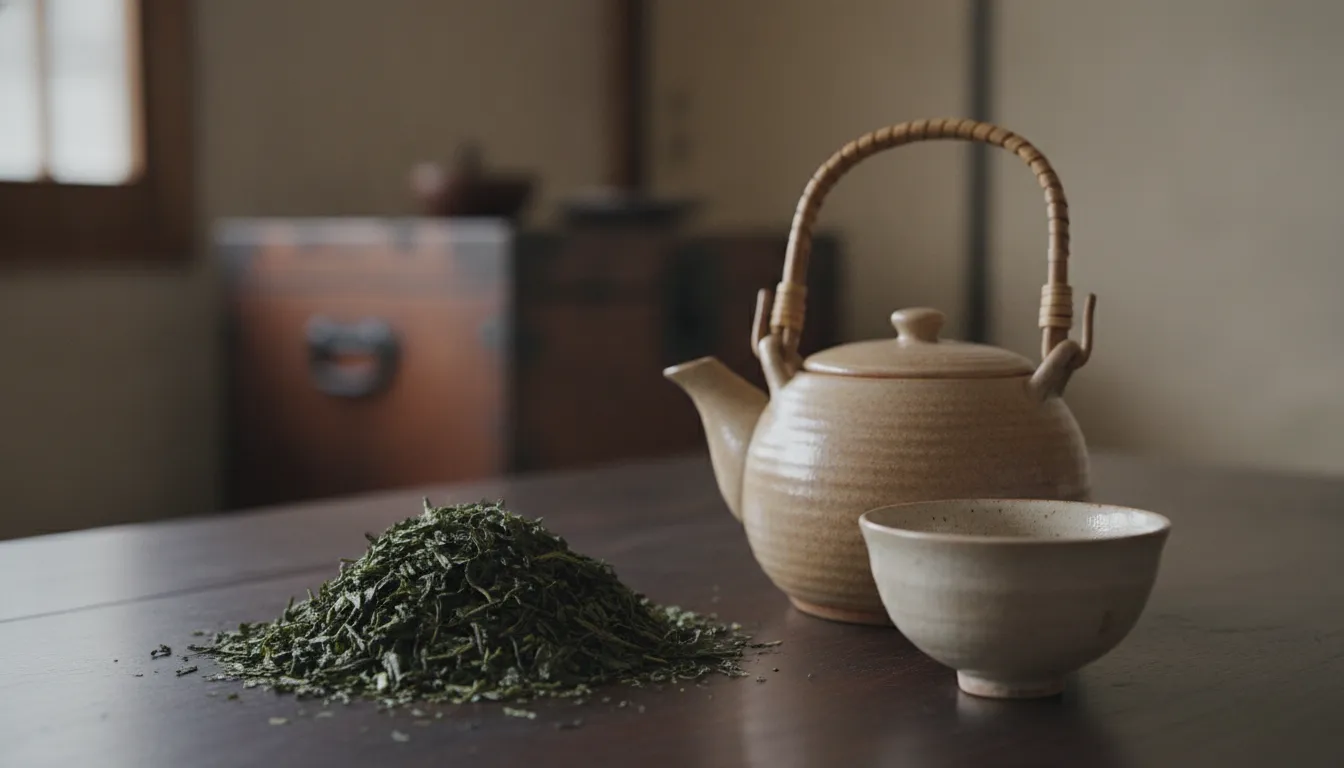
That extra time makes the leaves more brittle and breaks down more of their structure. As a result, fukamushi sencha often contains smaller leaf pieces and fine particles. A loose-leaf pouch may look irregular, broken, or even slightly powdery beside a shorter-steamed sencha, whose leaves more often retain a slender, needle-like shape. Neither appearance signals a defect. It is one of the visible results of the processing method.
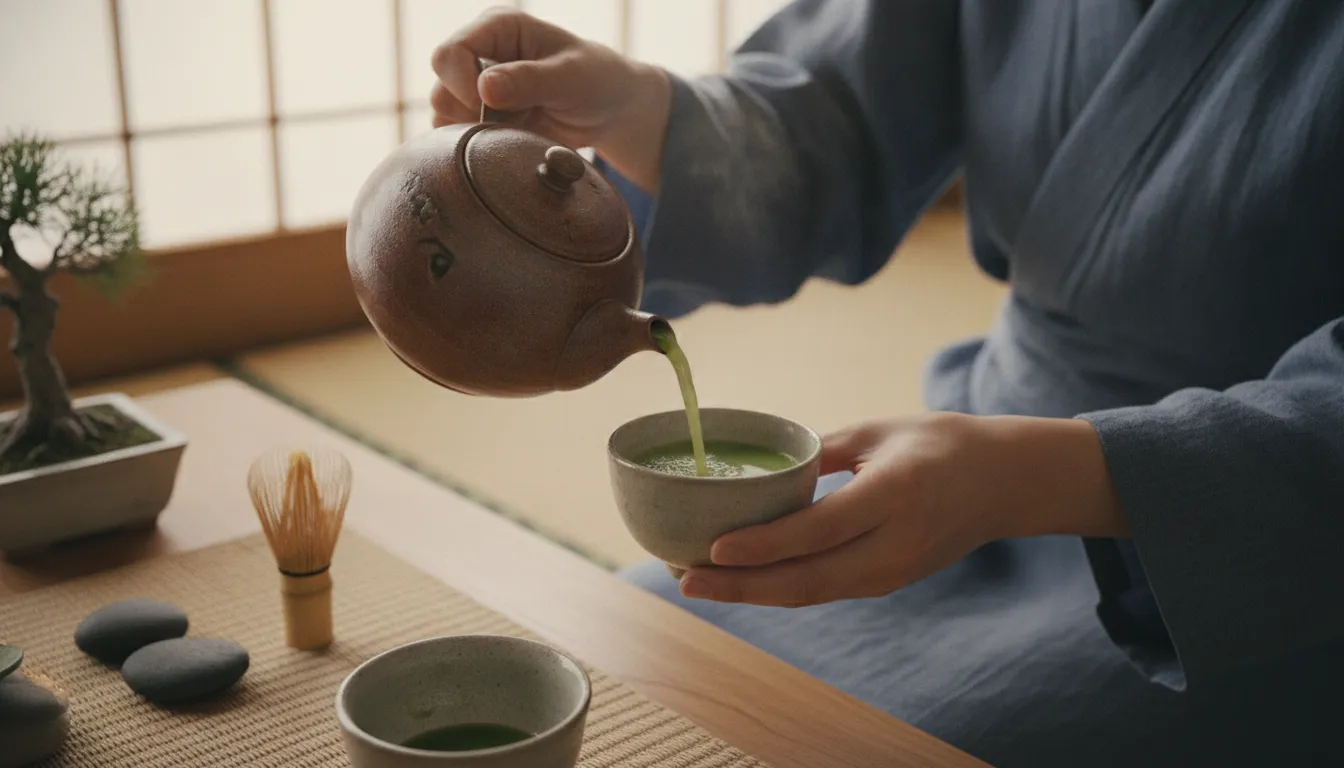
The difference becomes even clearer in the teacup. The fine particles disperse through the water, creating an infusion that can look deep, opaque, or cloudy green. The cup also tends to have a fuller flavor and a softer impression of astringency than a shorter-steamed style. Because the leaf structure is already more open, the tea can extract quickly, so a careful steep is part of the ritual. Water that is too hot or a steep that runs too long may make the flavor feel unnecessarily intense.
Once you understand that fukamushi is defined by deep steaming, its distinctive appearance and cup character make sense. The next step is to look more closely at how that process changes the leaf, the color of the liquor, and the flavor you experience.
How Deep Steaming Changes the Leaf and Cup
The most visible difference appears before the first sip. Rather than keeping the neat, needle-like shape associated with shorter-steamed sencha, fukamushi sencha often arrives as smaller, softer, broken leaves with fine particles mixed throughout. That is not a flaw. The longer steaming makes the leaf structure more fragile, so some of the leaf breaks apart during the rest of processing and brewing.
As a result, the cup looks different too. Fine leaf particles move into the water and create a deeper, more opaque green liquor than a clear, light-steamed sencha usually produces. An academic review of Japanese green tea describes this more vibrant, cloudy appearance as a characteristic effect of deep steaming. Read the research on how processing influences green tea appearance.
A softer leaf creates a fuller cup
Deep steaming also changes how quickly the leaf gives up its flavor. With more of the leaf structure already opened or broken down, water can reach and extract its components readily. In the cup, that often translates to a fuller texture and a more generous flavor, with the savory, rounded quality commonly described as umami. The aroma may feel gentler than the brisk, lifted fragrance of a shorter-steamed tea, while the liquor has more presence on the palate.
These qualities are tendencies, not strict rules. Cultivar, harvest, growing conditions, finishing, water, temperature, and steep time all shape the final experience. Still, the processing choice gives you a useful expectation: look for body and depth, with soft green richness rather than a perfectly transparent infusion and sharply defined leaves.
Why the finish can feel less astringent
Compared with shorter steaming, deep steaming tends to reduce perceived astringency and emphasize a rounder, more substantial impression. Research has linked the process to changes in extraction and the tea's chemical profile, including how leaf components move into the liquor. You can explore the processing reference from CDJapan's guide to fukamushi sencha.
That same accessibility makes this tea responsive to brewing. Water that is too hot or a steep that runs too long can draw out an intense, bitter edge quickly. Treat the fine particles as a cue to pour with care, then adjust your next infusion by taste. The cloudy green cup is part of the style, and so is the need to let its texture and flavor develop without forcing the extraction.
Fukamushi Sencha vs. Regular Sencha
The clearest difference between these two styles is what happens to the leaves during steaming. Fukamushi sencha, also called deep-steamed sencha, is steamed longer than regular sencha. That extra time softens the leaf structure, so the finished tea behaves differently in the pot and in the cup. For a broader look at where both styles fit, explore Sorate's guide to types of Japanese green tea.
| Feature | Regular sencha | Fukamushi sencha |
|---|---|---|
| Steaming | Shorter steaming preserves more of the leaf's original structure. | Longer, deeper steaming breaks down more of the leaf structure. |
| Leaf appearance | Leaves more often look slender, whole, and needle-like. | Leaves are commonly smaller, broken, or powdery. |
| Liquor | Often clearer and lighter in appearance. | Often deeper green, more opaque, and visibly cloudy. |
| Flavor | Can show a clean, brisk profile with a more distinct astringent edge. | Often feels fuller, with a rich umami character and gentler perceived astringency. |
| Brewing sensitivity | Usually offers a little more room for a longer steep. | Extracts quickly, so very hot water or a long steep can make the cup intense or bitter. |
These differences are tendencies, not rules that make one style universally better. A regular sencha may suit someone who enjoys a clearer cup and likes noticing the shape and texture of intact leaves. Its briskness can bring definition to the first sip, especially when the tea is brewed with care.
Fukamushi sencha offers a different kind of presence. The broken leaves release more readily, creating a rounded, vivid infusion in which fine particles may remain suspended. That texture is part of the style, not a sign that the tea has been mishandled. Deep steaming is also associated with reduced perceived astringency compared with shorter steaming. The greater extraction rate means the tea rewards attention to water temperature and steeping time.
Choose based on the experience you want at the table. If you prefer leaf definition and a more transparent liquor, regular sencha may be the better starting point. If you enjoy a deeper green cup, fuller texture, and generous savory character, fukamushi sencha may feel more at home in your daily ritual. Either style can be expressive when the brewing approach respects its structure.
How to Brew Fukamushi Sencha at Home
Fukamushi sencha has a delicate leaf structure, so a thoughtful brew brings out its generous color and savory depth without making the cup feel overly intense. The following method is a reliable starting point for one serving. It follows the practical guidance of Shohokuen's sencha brewing guide, while allowing the shorter steep often recommended for deep-steamed leaves.
- Measure the tea. Place 2 grams of fukamushi sencha, about one level teaspoon, into a small teapot. A kyusu with a fine internal strainer is especially useful because deep-steamed leaves can be small and broken. If you are brewing several servings, keep the same general balance of tea to water rather than filling the pot with leaves by eye.
- Prepare the water. Bring fresh water to a full boil, then pour it into the serving cup or cups. This cools the water while warming the vessels. For a single serving, measure 160 cc of water. Aim for around 80 C, or 176 F, before it reaches the leaves. You can use a thermometer, or let the water cool briefly after transferring it from the kettle. The goal is warm enough to open the tea, but not so hot that the short infusion becomes harsh.
- Pour evenly into the teapot. Transfer the water from the cup into the teapot in a steady pour. If you are making more than one cup, distribute the water in a circular motion so the leaves are wetted evenly. Avoid vigorous stirring. The leaves will open on their own, and a calm pour keeps the preparation simple.
- Steep for 30 to 60 seconds. Put the lid on the teapot and begin timing as soon as the water enters. Start at 30 seconds if you prefer a lighter cup, or move toward 60 seconds for more body. Deep-steamed leaves can release flavor quickly, so a long steep may make the liquor taste overly strong or bitter. This is also why fukamushi sencha generally needs less time than some whole-leaf sencha preparations.
- Pour every last drop. Pour a little tea into each cup, moving back and forth between them to keep the strength even. Then return to the pot and empty it completely. Fine particles may settle in the liquor, so a gentle final pour can help distribute the tea instead of leaving the richest portion behind. Fully emptying the pot also prepares the leaves for another infusion.
- Taste and adjust the next brew. Treat the first cup as your baseline. If it tastes thin, extend the steep slightly or use a little more tea next time. If it is too intense, shorten the steep, lower the water temperature modestly, or use a little more water. Make the second infusion soon after the first rather than leaving wet leaves in the pot for a long period. For a broader introduction to the technique, see Sorate's guide to brewing sencha.
Small changes are part of the ritual. The same leaves can taste different as water temperature, steeping time, and pouring technique shift. So take a moment to notice what the cup is telling you before changing more than one variable at once.
How to Adjust the Next Infusion
The second infusion is where a careful pour pays off. After serving the first brew, empty the teapot completely, including the last drops. Shohokuen's brewing guidance recommends draining the pot fully so the remaining liquor does not continue extracting while the leaves sit. A light tap on the bottom of the pot can help loosen leaves caught near the spout and spread them through the vessel again.
Then brew again fairly soon. Fukamushi sencha leaves have already opened and released part of their flavor, so the next infusion generally needs less time than the first, not more. Start with a quick pour and taste. If the cup seems too light, extend the steep slightly on the following attempt. This small adjustment is more reliable than committing to a long second steep from the beginning.
Let the opened leaves guide you
Look at the leaves between infusions. Deep steaming makes fukamushi sencha more delicate and irregular than standard sencha, so small pieces and fine particles are expected. If the leaves have opened fully after the first brew, that is a useful sign that the initial steep may have run too long. The Shohokuen guide notes that overextended brewing can produce a more bitter pot. For the next cup, shorten the contact time rather than adding more water or tea.
If the second infusion tastes bitter, overly intense, or rough, reduce the steep time first. You can also use slightly cooler water for the next attempt, while keeping the tea-to-water ratio steady. Fukamushi sencha extracts readily because its leaves are finely broken, so a few seconds can noticeably change the balance. If the flavor is merely concentrated but not bitter, pour smaller amounts into each cup and blend the stream as you serve.
A third infusion can still be worthwhile when the leaves retain color and aroma. Drain it fully again, brew soon after the second, and adjust by taste. When the leaves seem spent, discard them rather than adding fresh leaves on top. Fresh and used leaves extract differently, which can make the resulting cup harder to control.
Choosing a Fukamushi Sencha for Your Tea Ritual
Choosing a fukamushi sencha is less about finding the most uniform-looking leaves and more about recognizing the character you want in the cup. Deep steaming naturally breaks down the leaf structure, so the dry tea may look smaller, softer, or more powdery than a shorter-steamed sencha. That is not a flaw. It is one of the style's defining visual cues.
Start by considering the liquor, or brewed tea. Fukamushi sencha typically produces a vivid green, more opaque infusion because fine leaf particles move into the water during brewing. If you enjoy a fuller, rounder cup with a pronounced savory quality, this appearance may signal a good fit. If you prefer a clearer infusion and the elegant, needle-like look of intact leaves, a shorter-steamed sencha may be closer to your ritual.
Let flavor preference guide the choice
Look for language that reflects your palate rather than relying on a label alone. A fukamushi sencha can feel generous and substantial, with a deep green color and a satisfying umami character. It also extracts quickly, which means a short brew can be enough to reveal its flavor. If the cup becomes too intense, reduce the steeping time or lower the water temperature before changing the amount of leaf.
Sorate's Sencha Fukamushi Superior is listed at $42 for a 100 g zip pouch. Its product details identify the tea as Ichibancha, or first harvest, with Yabukita and Okumidori cultivars. The leaves are described as grown in full sunlight, uncovered after 5 to 7 days of shade exposure, and machine trimmed. These details offer useful context for choosing the tea. But your own tasting notes should make the final decision: notice the color, texture, aroma, and balance in your cup.
For a thoughtful first tasting, brew a small serving and observe how the particles settle as the cup cools. Sip it beside a more lightly steamed sencha if you have one available. The contrast in clarity, leaf structure, and flavor will help you identify which style belongs in your everyday tea ritual.
Shop fukamushi sencha with Sorate's Sencha Fukamushi Superior
Frequently Asked Questions
What is fukamushi sencha?
Fukamushi sencha is a Japanese sencha processed with a longer steaming stage than standard sencha. The extra steaming makes the leaves more brittle, so the finished tea often includes small broken pieces and fine particles. Those particles create a deep green, lightly cloudy infusion with a full, savory character.
How is fukamushi sencha different from regular sencha?
Regular sencha more often retains a needle-like whole-leaf shape, while fukamushi sencha has a broken or powdery appearance. In the cup, fukamushi tends to offer more body and less perceived astringency, while shorter-steamed sencha can emphasize a clearer leaf shape and more distinct aroma. The difference comes from processing, not from a separate tea plant.
What does fukamushi sencha taste like?
Expect a rounded, full-bodied cup with savory umami and a deep green liquor. Its aroma may be softer than that of a shorter-steamed sencha, while the texture can feel richer because fine leaf particles enter the infusion. Taste also changes with water temperature and steeping time, so use the first brew as a starting point rather than a fixed rule.
How do you brew fukamushi sencha at home?
Start with about 2 grams of tea, 160 milliliters of water at around 80 C (176 F), and a 30-second steep. These are practical starting points from a deep-steamed sencha brewing guide; adjust the time or temperature to taste. Pour the pot completely, then make the next infusion soon after.
Why can fukamushi sencha become bitter?
Its broken leaf structure allows the tea to extract quickly. Water that is too hot or a steep that runs too long can therefore produce an overly intense or bitter cup. If that happens, shorten the next infusion or let the water cool slightly. Pouring every last drop from the pot also helps keep the next brew balanced.
If you want to taste the rich, velvety cup that fukamushi sencha can offer, Sorate Sencha Fukamushi Superior is a fine place to start. Its product page describes a smooth, sweet tea made from Yabukita and Okumidori, with a fresh, balanced flavor. Deep steaming and careful brewing bring out the gently cloudy green liquor this guide describes.


