


A single harvest in Uji can produce teas as different as vibrant sencha and roasted hojicha. These differences come from centuries of farming skills that value flavor depth over ease. To enjoy the ritual, you must know the traits of each main variety.
The primary types of Japanese green tea include sencha, gyokuro, matcha, hojicha, and genmaicha. Each type offers a unique profile based on how it is grown and processed. Sencha is the most common kind, known for its balanced flavor and steaming process. Gyokuro is shade-grown to increase umami and sweetness. Matcha is a stone-ground powder made from high-quality tencha leaves used in traditional ceremonies. Hojicha provides a nutty, roasted taste with lower caffeine. Genmaicha offers a comforting aroma by mixing green tea with toasted brown rice. The Yabukita cultivar, which accounts for about three-quarters of all tea grown in Japan, is the backbone of these varieties.
Ready to find your perfect brew? Explore our collection of Japanese green teas sourced directly from family farms in Uji, Kyoto.
Learning about these types allows you to find a flavor that fits your taste. Below we explore each variety in depth, starting with the most popular choice among Japanese households.
What Makes Sencha the Most Popular Japanese Green Tea?
Sencha is the most widely consumed style among all types of Japanese green tea. It is a staple in Japanese homes, prized for its bright green color and clean, balanced taste. The leaves are steamed shortly after harvest to lock in color and prevent oxidation, producing a brisk, refreshing cup with notes of grass and seaweed.
Sencha grows in full sun, unlike shade-grown varieties. This direct sunlight develops the compound balance that gives sencha its characteristic blend of sweetness and pleasant astringency. The Yabukita cultivar, which makes up about 75% of Japan's tea production, is the plant most commonly used for sencha.
Steaming and flavor profile
The defining trait of sencha is how producers halt oxidation. Most Japanese tea makers use steam rather than pan-firing, locking in the emerald hue and grassy notes. This quick burst of heat keeps the leaf supple and preserves its natural oils. When you sip a cup, you notice a harmony of sweet and sharp notes. This balance makes it a versatile choice for any time of day.
Key characteristics of sencha:
- Growing condition: Full sun, open-air fields
- Flavor: Fresh, grassy, balanced sweetness and astringency
- Caffeine: Medium
- Brew temp: 175°F
- Steep time: 60 to 120 seconds
For those who want a richer cup, fukamushi sencha (deep-steamed) offers a different experience. The longer steaming breaks down the leaf structure, producing a dark green liquor with a bold, full-bodied taste and minimal astringency.
How to brew sencha
To get the best results, temperature and timing matter. Boiling water is too harsh for these leaves and extracts bitter compounds. Aim for 175°F and steep for one to two minutes before pouring. This gentle approach draws out the natural sweetness without making the cup harsh.
Gyokuro: The Emperor of Japanese Green Teas
Gyokuro is the most prized shade-grown tea in Japan. Farmers cover the plants for approximately 20 days before harvest, blocking sunlight and forcing the leaves to produce higher levels of chlorophyll and L-theanine. This process creates an exceptionally sweet, savory cup with a rich mouthfeel and virtually no astringency.
Often called the Emperor of Japanese Green Teas, gyokuro commands respect among tea connoisseurs. Its deep green leaves and thick, velvety liquor set it apart from every other tea in the Japanese canon. The shading process elevates umami levels far beyond what sencha can achieve, making it a contemplative drink for quiet moments.
Key characteristics of gyokuro:
- Growing condition: Shade-grown for 20 days
- Flavor: Deep umami, sweet, rich, no astringency
- Caffeine: High
- Brew temp: 160°F
- Steep time: 120 to 180 seconds
The shading process and umami
The secret to gyokuro's flavor is in the field. Farmers erect shade nets over the plants for about three weeks before harvest. This light deprivation triggers the plant to produce more chlorophyll and amino acids, particularly L-theanine, which creates the savory taste known as umami. The result is a smooth, sweet infusion with a full, almost creamy texture. Unlike sun-grown teas, gyokuro lacks the sharp edges that come from direct light exposure. Learn more in our gyokuro tea guide.
How to brew gyokuro
Brewing this tea demands a gentle hand. Use cool water around 160°F and steep for two to three minutes to unlock the full flavor profile. Hotter water will scorch the delicate leaves and ruin the umami. A small kyusu teapot helps maintain the ideal temperature. Use roughly one teaspoon of leaves per three ounces of water. This is a tea for quiet reflection, not rushed mornings.
What Is Genmaicha and Why Does It Taste Like Popcorn?
Genmaicha is a blend of green tea leaves (usually sencha or bancha) with toasted brown rice. The rice expands during roasting and pops like popcorn, giving the tea its trademark nutty, warm aroma. Because rice displaces tea leaf volume, genmaicha contains less caffeine than pure leaf teas.
Genmaicha stands out among types of Japanese green tea for its uniquely comforting profile. The name translates to "brown rice tea," and its origins reflect a resourceful tradition of stretching precious tea leaves with affordable rice.
Key characteristics of genmaicha:
- Growing condition: Open-air (sencha base)
- Flavor: Nutty, toasty, popcorn-like, savory
- Caffeine: Low
- Brew temp: 185°F
- Steep time: 120 to 180 seconds
A history of resourcefulness
Long ago, households in Japan added rice to their tea to extend the supply of expensive leaves. Rice was far cheaper than premium tea, so this blend helped more people enjoy a daily cup. What began as a frugal practice evolved into a beloved staple. Today genmaicha is prized not for its economy but for its distinctive roasted character.
Flavor and aroma profile
When you brew a cup, you notice a pale yellow liquor and a rich, toasty fragrance. The flavor balances the grassy freshness of sencha with the earthy sweetness of roasted grain. The result is a more hearty tea, often described as having a popcorn-like quality that makes it an excellent companion to meals.
Hojicha: Roasted Green Tea with a Cozy Aroma
Hojicha is green tea that undergoes a high-temperature roasting process, transforming the leaves from green to deep brown. The roasting reduces bitterness, lowers caffeine content, and produces a warm, nutty, caramel-like flavor with a signature amber-red liquor.
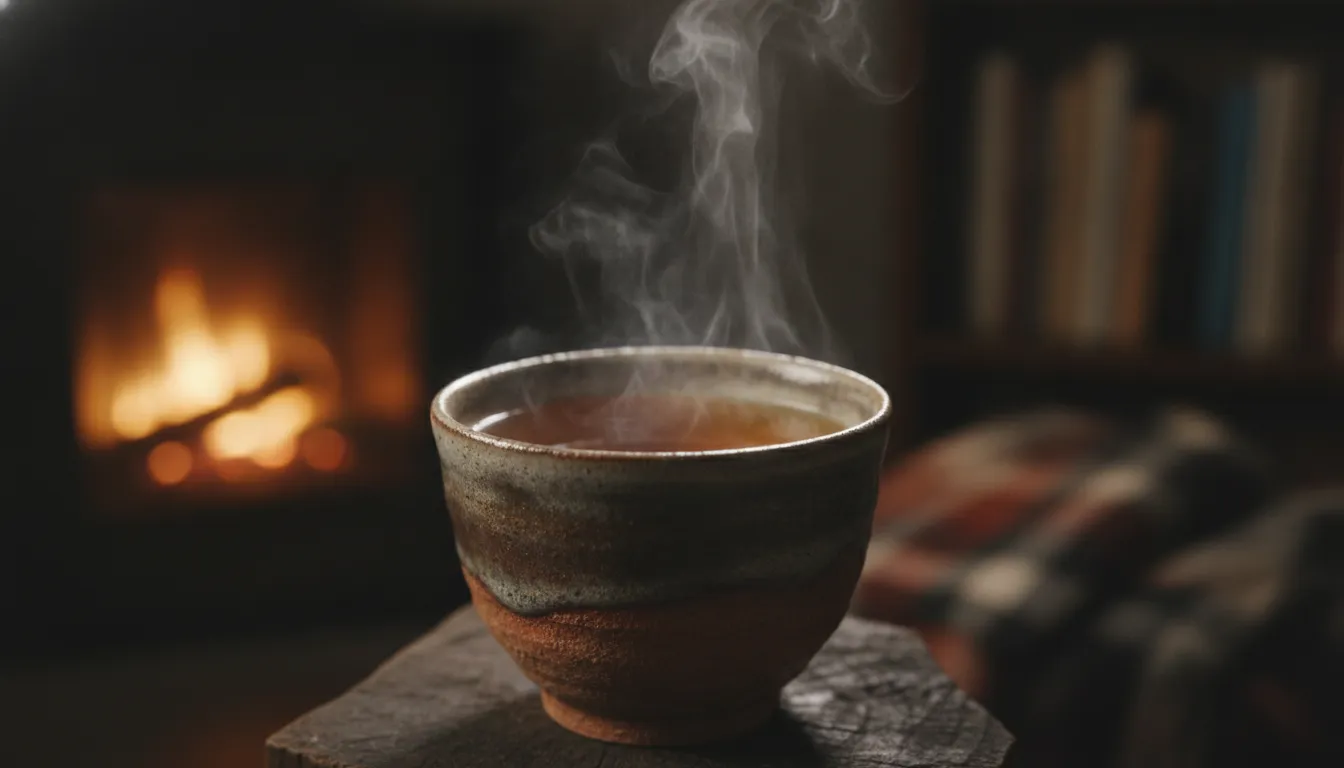
Hojicha stands apart from most green teas because of its dark appearance and warm, soothing character. Instead of the typical steaming process, hojicha leaves are roasted at high heat, which gives them a deep brown color and a cozy, wood-like scent. It offers a completely different experience within the spectrum of types of Japanese green tea.
Key characteristics of hojicha:
- Growing condition: Open-air (bancha or sencha base)
- Flavor: Roasted nuts, caramel, woody, low astringency
- Caffeine: Very low
- Brew temp: 185°F
- Steep time: 30 to 60 seconds
The art of roasting green tea
To make hojicha, producers roast bancha or sencha leaves in rotating drums at high heat. This process breaks down catechins responsible for bitterness and converts some compounds into new aromatic ones. The result is a smooth, approachable tea that rarely becomes bitter even if the water temperature is not precise. Because the leaves are roasted, the flavor stays stable longer, making hojicha an easy pantry staple.
A soothing choice for any time of day
One of the best attributes of hojicha is its low caffeine content. The roasting process reduces caffeine, making it an excellent choice for evening drinking or for those who want a gentler boost. In Japan, families often serve hojicha to children and older adults because it is easy on the stomach. Enjoy it hot after a meal to cleanse the palate, or chilled as a refreshing iced tea.
What Makes Matcha Different from Other Japanese Green Teas?
Matcha is a fine powder made from shade-grown tencha leaves that are stone-ground into a vibrant green powder. Unlike steeped teas where the leaves are discarded, matcha incorporates the entire leaf, delivering a more concentrated flavor and a creamy, full-bodied texture. The shading process before harvest boosts chlorophyll and L-theanine, giving matcha its signature umami and vivid color.
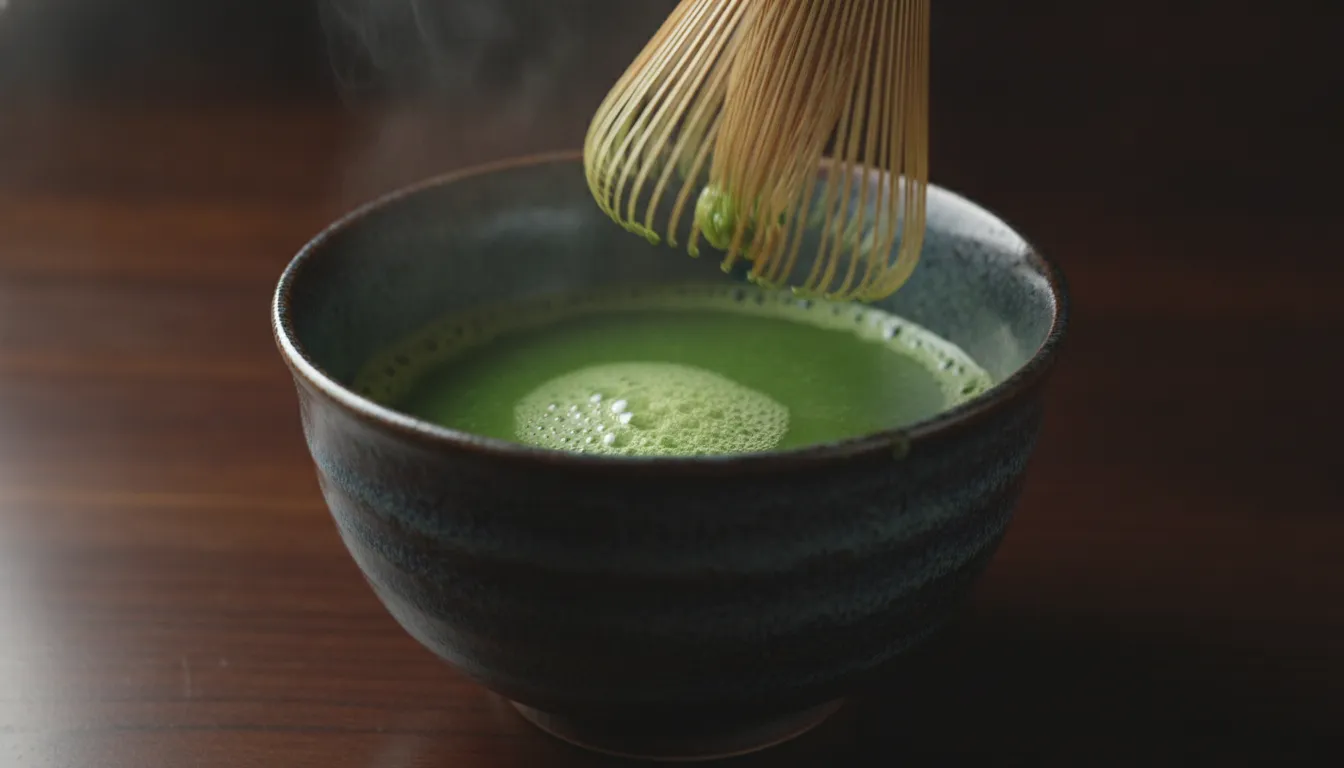
Matcha occupies a unique place among types of Japanese green tea. Most teas require steeping and removing the leaves, but matcha is a powder made from the whole leaf, so you consume the entire nutritional profile of the plant. This results in a much more intense flavor experience and a brilliant green color that signals quality.
Key characteristics of matcha:
- Growing condition: Shade-grown for 20 to 30 days
- Flavor: Creamy, rich umami, slightly sweet, full-bodied
- Caffeine: High
- Brew temp: 175°F (water for whisking)
- Preparation: Whisked with bamboo chasen
Shading and harvest
The journey to high-quality matcha begins in the fields. Farmers cover the plants with shade nets for three to four weeks before harvest. This blocks most direct sunlight, forcing the plants to produce more chlorophyll and amino acids. Only the first spring harvest, known as Ichibancha, yields the tender leaves needed for premium matcha. Our matcha guide for beginners covers the full preparation ritual.
Sorate matcha grades
We offer three grades of ceremonial matcha to suit different preferences. Our KUSUI grade is our finest, ideal for formal tea ceremony use. For daily drinking, SoKu offers an excellent balance of flavor and value. The HEKISHO house grade has a bold, robust character that works beautifully in lattes and culinary applications. Each grade is stone-ground from leaves grown on our family farm in Uji, Kyoto.
How Different Types of Japanese Green Tea Compare: A Brewing Guide
Each Japanese green tea variety requires specific brewing parameters. Sencha and gyokuro need cooler water (160-175°F) to preserve delicate flavors, while genmaicha and hojicha tolerate hotter water (185°F). Steep times range from 30 seconds for hojicha to 3 minutes for gyokuro and genmaicha. The table below provides a quick reference.
Brewing a great cup starts with understanding each tea's needs. Different types of Japanese green tea require specific water temperatures and steep times. These choices dramatically affect the flavor you experience. Water that is too hot extracts bitter compounds, while water that is too cool may not release the full aroma.
| Tea Type | Shading | Flavor Profile | Caffeine | Brew Temp | Steep Time |
|---|---|---|---|---|---|
| Sencha | Open-Air | Fresh, Balanced | Medium | 175°F | 1-2 min |
| Gyokuro | Shade-Grown | Rich Umami | High | 160°F | 2-3 min |
| Genmaicha | Open-Air | Nutty, Toasted | Low | 185°F | 2-3 min |
| Hojicha | Open-Air | Roasted, Woody | Very Low | 185°F | 30-60 sec |
| Matcha | Shade-Grown | Creamy, Umami | High | 175°F | Whisk |
How to Choose the Right Japanese Green Tea for Your Taste
Picking a favorite depends on your palate, your caffeine needs, and the time of day you plan to drink. With several types of Japanese green tea available, you can find a brew for every part of your daily routine.
Match flavor to preference
Start by considering the tastes you enjoy most. If you want a fresh, balanced cup, steamed sencha is the natural choice. For deep, savory umami, seek out shade-grown options like gyokuro or ceremonial matcha. If you prefer warm, nutty notes, try roasted teas. Genmaicha delivers a toasty, popcorn-like aroma, while hojicha offers deeper roasted caramel notes with an amber liquor.
Consider caffeine and timing
Think about when you plan to drink your tea. In the morning, the rich, full flavor of ceremonial matcha provides a satisfying start. For midday, sencha offers a balanced lift without being too intense. In the evening, hojicha's low caffeine and soothing roasted character make it a calming choice. Genmaicha is also lower in caffeine because the rice displaces leaf volume in the blend.
Quality and sourcing matter
When purchasing tea, consider its origin and how it was grown. Sorate sources its teas directly from family farms in Uji, Kyoto, preserving the traditions that have defined Japanese tea culture for centuries. Whether you prefer the bright vitality of sencha or the deep complexity of gyokuro, starting with high-quality leaves makes the most significant difference in your cup. Browse our Japanese green tea collection to find your next favorite.
Frequently Asked Questions
How many types of Japanese green tea are there?
Japan produces many distinct green tea varieties, but the five main categories are sencha, gyokuro, hojicha, genmaicha, and matcha. Each type follows a specific growing or processing method to achieve its unique flavor, aroma, and appearance.
Which Japanese green tea has the least caffeine?
Hojicha and genmaicha are the best options for lower caffeine. Hojicha's roasting process reduces caffeine content significantly, while genmaicha blends tea leaves with toasted rice, diluting the overall tea concentration. Both offer nutty, comforting flavors suitable for evening drinking.
Why is some Japanese green tea grown in the shade?
Shading tea plants for several weeks before harvest increases chlorophyll and L-theanine production, creating the rich umami flavor that defines premium teas like gyokuro and matcha. Without shade, the leaves would develop more astringency from direct sunlight exposure.
What is the best kind of Japanese green tea for beginners?
Sencha is the most approachable entry point due to its balanced, familiar flavor and forgiving brewing parameters. Hojicha also works well for newcomers because its roasting eliminates the grassy notes that some find challenging, and it is difficult to over-brew.
Can you drink Japanese green tea cold?
Yes. Many Japanese green teas taste excellent when cold-brewed. Sencha and hojicha are particularly well-suited for cold brewing, which reduces bitterness and brings out natural sweetness. Simply add leaves to cold water and refrigerate for several hours.
Ready to Explore the World of Japanese Green Tea?
Understanding the different types of Japanese green tea opens the door to a deeper tea experience. From the bright, grassy freshness of sencha to therich savory umami of gyokuro, the nutty comfort of genmaicha. The roasted warmth of hojicha, and the ceremonial richness of matcha, each variety offers a distinct journey for the palate. Sorate brings these teas directly from our family farm in Uji, Kyoto, so you can experience authentic Japanese tea culture in every cup.
Shop our Japanese green tea collection and discover the variety that speaks to you. Every order supports traditional farming practices and the artisans who have perfected their craft over generations.


