


If you have seen matcha whisked in a wide ceramic bowl, you have seen a chawan. But what is a chawan, exactly? It is the Japanese tea bowl used to prepare and drink matcha. Its open form gives a bamboo whisk room to move, while its rim and foot make the bowl comfortable to hold and sip from. A chawan is useful pottery, but it also gives the tea ritual a physical center.
Explore Sorate tea accessories
This guide stays focused on the chawan's meaning, function, and place in tea practice. It will also cover the few practical details that help you recognize a bowl suited to matcha, without turning the vessel into generic drinkware or a checklist of features.
What is a chawan in Japanese tea practice?
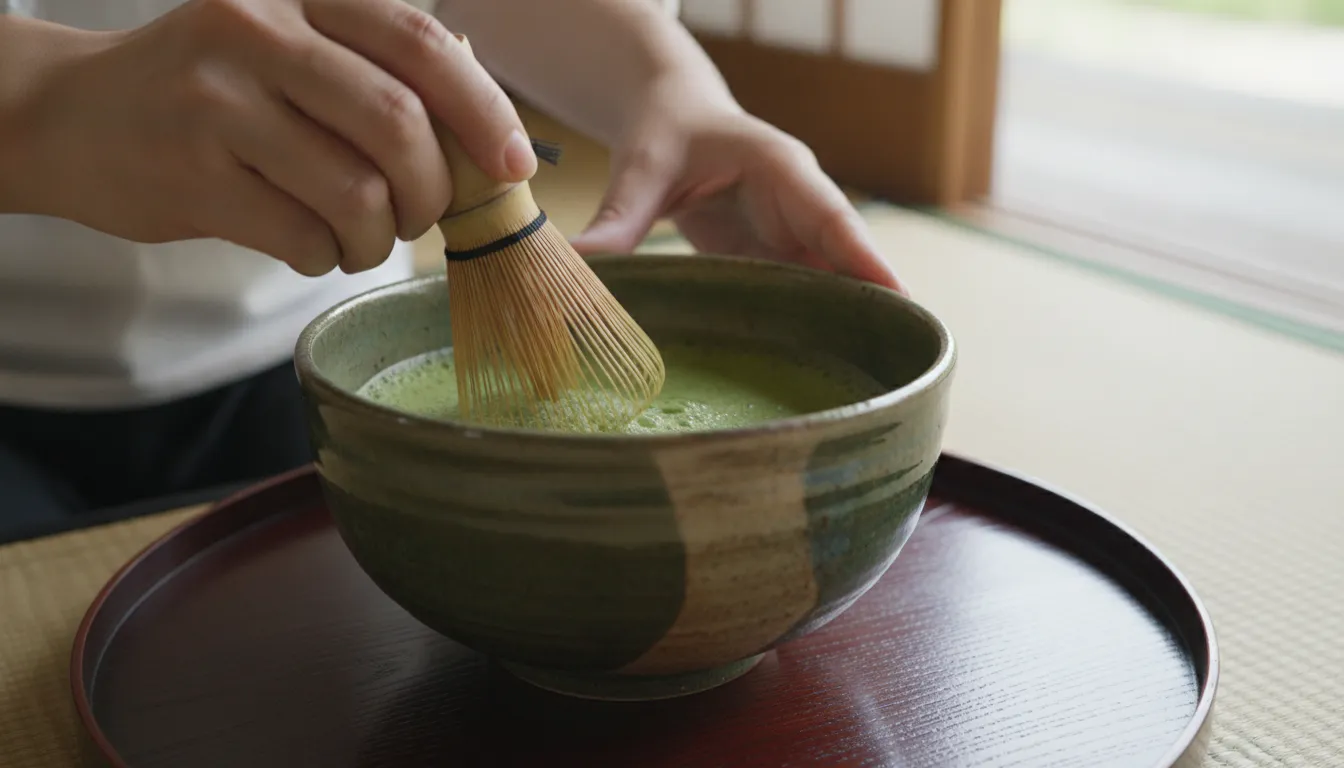
A chawan is a bowl used to prepare and drink matcha. In English, it is often called a matcha bowl or tea bowl. In Japanese tea practice, the name points to more than the vessel's contents. The chawan is the bowl in which the host measures matcha, adds hot water, and whisks the tea. It is then the bowl from which the guest drinks.
That two-part role makes a chawan different from a small cup for steeped tea. The bowl needs enough interior space for the bamboo whisk, enough depth to hold the liquid, and a rim that feels natural when raised to the mouth. It is designed around the movement of preparing matcha and the pause of enjoying it.
The word can have a wider meaning in everyday Japanese. A chawan may also refer to a rice bowl, sometimes described in English as a Japanese rice bowl. Context matters. When tea enthusiasts talk about a chawan, they usually mean the larger, handleless vessel made for whisking and drinking matcha. A matcha bowl is the clearest English description, while chawan carries the cultural context of the tea room.
Why does a chawan work better than a mug for matcha?
The chawan's shape is functional because matcha is whisked directly in the bowl. A wide opening gives the bamboo whisk a clear path across the surface. A rounded interior helps the powder gather at the bottom rather than settling in a hard corner. The result is a preparation space that feels open, stable, and easy to see.
- Open mouth: leaves room for the whisk and makes the surface of the matcha easy to read.
- Rounded well: supports a smooth whisking motion without forcing the tines into a sharp angle.
- Comfortable depth: holds the water and powder while leaving enough room to whisk without crowding.
- Handleless body: lets you cradle the bowl with both hands and drink from its rim.
- Raised foot: lifts the bowl from the table and gives your fingers a steady place to settle.
A mug can hold matcha, but its tall walls and handle usually make the preparation less comfortable. The whisk has less horizontal space, and the drink is separated from the gesture of holding the bowl. A chawan does not make good matcha by itself, yet its form removes a common source of friction from the preparation.
Once the bowl is ready, Sorate's beginner's guide to making matcha explains the steps for whisking the tea. The chawan and the technique work together, but the bowl remains useful even before your whisking motion feels practiced.
What parts of a chawan should you notice?
You do not need a specialist vocabulary to use or appreciate a chawan. Still, a few parts are worth noticing because they explain how the bowl feels in your hands and why its silhouette is shaped as it is.
The rim
The rim is the edge used for drinking. It may be rounded, slightly irregular, thick, or fine. Its finish changes the way the bowl meets your lips, so a comfortable rim matters more than a decorative one. If you can handle a bowl in person, rotate it gently and notice whether the rim feels natural from more than one position.
The interior
The interior, sometimes called the well, is where the matcha is whisked. It should give the whisk room to move and avoid a sharp corner that catches the tines. A smooth interior is also easier to rinse after use. In a handmade bowl, small variations in the glaze can be part of its character while the working surface remains practical.
The body and walls
The body gives a chawan its visual weight and its feel in the hand. A deeper, thicker form can feel appropriate during a cool season, while a lighter and more open shape may suit a warm afternoon. The right balance is one you can lift, turn, and drink from without strain.
The foot
The raised base is often called the foot or kodai. It lifts the bowl slightly from the table and creates a point for the fingers to support. A defined foot can make a rounded bowl easier to hold. A low foot can create a quieter silhouette. Neither is automatically better; the useful question is whether the bowl feels steady when you pick it up.
How does a chawan shape the tea ritual?
A chawan stays in your hands from preparation through the final sip. You add matcha and water, whisk with attention, pause to see the surface, and then drink from the same vessel. That continuity is the heart of its role. The bowl is not just a container waiting for a beverage. It is part of the sequence that turns ingredients into a moment of tea.
In a formal tea setting, the bowl is considered for its form, texture, glaze, and seasonal feeling. The host presents it with care, and the guest receives it with attention. At home, you do not need to recreate a formal tea gathering to appreciate the same principle. Place the bowl carefully, notice its most pleasing side, and allow the preparation to have a beginning and an end.
This is also why a handmade chawan can feel personal. A glaze may vary slightly from one bowl to another. The profile may be balanced but not perfectly symmetrical. Those details give the object a sense of use and origin. They encourage you to look closely, rather than treating the bowl as an interchangeable piece of kitchenware.
The chawan can also help separate the tea ritual from the rest of the day. A few quiet movements, from warming the bowl to rinsing it afterward, create a clear boundary around the preparation. The ritual is modest, but it is tangible. You hold it, see it, and return it to its place when the tea is finished.
How do you choose a chawan without overthinking it?
Choose a chawan by starting with use. It should be wide enough for the whisk, deep enough to contain the preparation, stable on the table, and comfortable in both hands. After those practical needs are met, consider the shape, foot, weight, glaze, and seasonal feeling that make you want to return to the bowl.
| Feature | What to notice | Its role in the ritual |
|---|---|---|
| Size | Enough width for the whisk and enough depth for a calm sip | Keeps preparation and drinking comfortable |
| Shape | Open profile with a usable, rounded interior | Gives matcha and the whisk room to move |
| Foot | Stable base that feels natural to support | Makes the bowl easier to lift and hold |
| Weight | Substantial but not tiring to raise | Adds steadiness without getting in the way |
| Seasonal feel | Deeper and warmer, or open and lighter | Lets the vessel echo the time of year |
For a full buying guide that compares matcha bowl shapes and materials, Sorate's matcha bowl guide goes further into selection decisions. The distinction is useful: this article explains what the chawan is and why it matters, while a dedicated buying guide can handle detailed comparisons.
Likewise, Sorate's guide to matcha bowl sets covers how a bowl works alongside a whisk, scoop, and holder. A chawan can be purchased as part of a set or used on its own. What matters is that the bowl remains comfortable enough to use regularly.
Color and glaze are personal choices. A darker interior can make green matcha stand out, while a quiet neutral surface may keep your attention on the tea's texture. If you shop online, study the measurements and interior photographs, read the maker's care instructions, and choose the bowl that looks inviting in use rather than only in a display image.
Find matcha for your chawan ritual
Can you use any bowl to prepare matcha?
You can prepare matcha in many food-safe bowls, especially when you are learning. A small, wide bowl with a smooth interior may work well enough to begin. It is not necessary to buy a specialized vessel before you know whether whisking matcha will become part of your routine.
A dedicated chawan becomes valuable because its features work together. The opening gives the whisk space, the body gives your hands a stable hold, and the rim lets you drink without transferring the tea to another cup. The experience is not about passing a test or owning the most elaborate pottery. It is about using a bowl whose shape supports the way you want to prepare tea.
For that reason, a simple chawan can be a better daily companion than a fragile bowl that stays on a shelf. Tea utensils are meant to be handled. Small traces of use can become part of your relationship with the object, as long as you follow the maker's care instructions.
How do you use and care for a chawan?
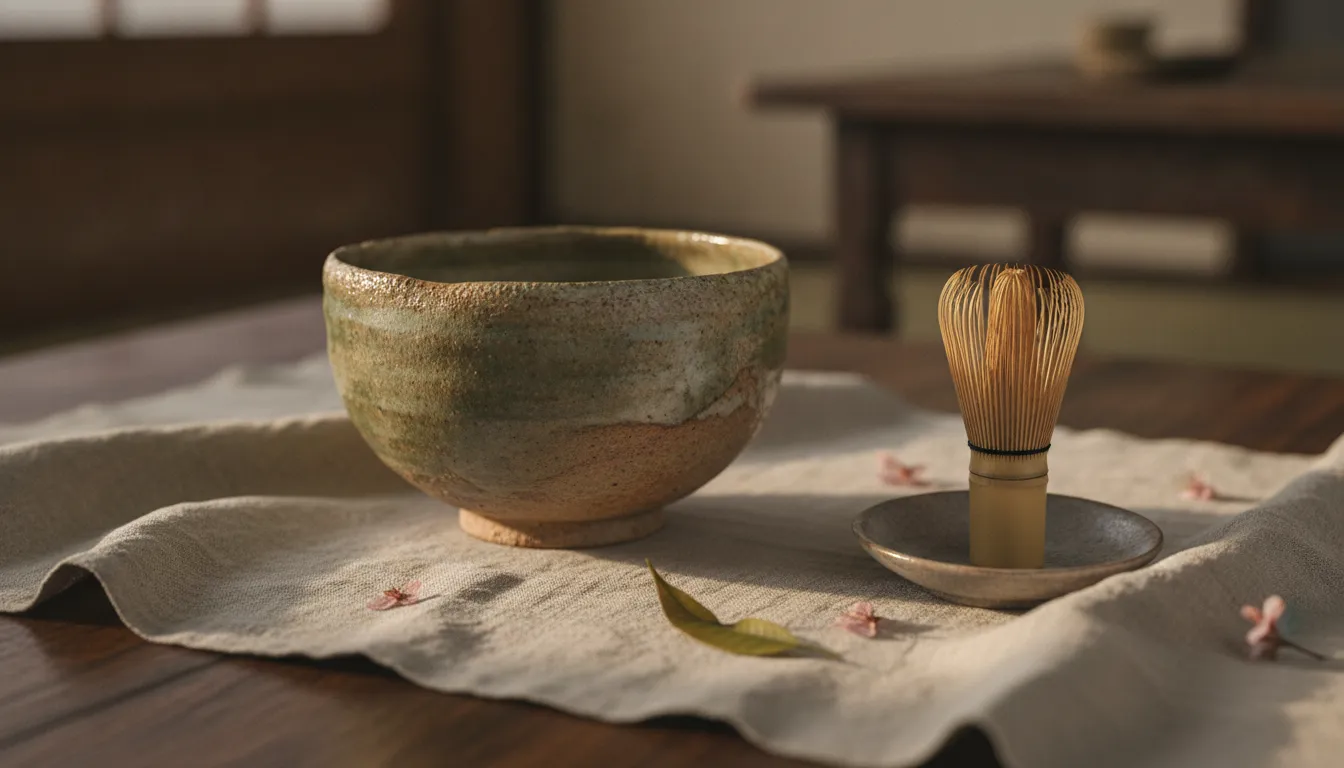
A chawan is made to be used, and a short routine keeps it ready for the next preparation. Always follow the instructions supplied by the maker, particularly when the glaze or firing method is distinctive.
- Warm it gently if desired. Rinse with a little warm water, then empty it fully.
- Whisk with a light touch. Let the bamboo whisk move across the interior instead of pressing the tines into the base.
- Rinse soon after drinking. Warm water removes remaining matcha before it dries.
- Avoid abrasive cleaning. Use a soft sponge or cloth unless the maker gives different instructions.
- Dry it completely. Let the bowl air-dry before returning it to a cabinet or shelf.
- Respect temperature changes. Let a hot bowl cool naturally before rinsing it with cooler water.
Do not assume every chawan is dishwasher- or microwave-safe. Handmade ceramics vary, and sudden temperature changes can stress a piece. The bamboo whisk deserves care too: rinse it gently and let it dry in open air rather than leaving it submerged.
Choose tools for your matcha ritual
What makes a chawan worth returning to?
The most useful chawan is the one that settles naturally into the rhythm of preparing tea. Its width makes whisking feel open, its foot gives your hands a steady hold, and its surface rewards a closer look. Over time, the bowl can become part of how you mark a pause in the day, whether your matcha is prepared with formal attention or in a few quiet minutes before work.
That is the lasting appeal of the chawan. It is a practical matcha bowl, but it also gives the tea ritual a physical center. When you choose one for function first and character second, you get a vessel that can be used often and appreciated each time.
Chawan FAQ
What does chawan mean?
Chawan means tea bowl in Japanese. In matcha practice, it refers to the bowl used to whisk and drink matcha, while in everyday Japanese it can also refer to a rice bowl.
Is a chawan the same as a matcha bowl?
In most tea contexts, yes. Matcha bowl is the plain English term, while chawan identifies the Japanese tea bowl made for preparing and drinking matcha.
Why is a chawan wider than a mug?
The wide opening gives a bamboo whisk room to move across the matcha. It also makes it easier to drink from the same bowl after whisking.
Can I use a regular bowl for matcha?
Yes, if it is food-safe, stable, and wide enough for the whisk. A dedicated chawan is usually more comfortable because its shape, depth, and foot support both preparation and drinking.
How should I clean a chawan?
Rinse the bowl with warm water soon after use, avoid abrasive scrubbers, and let it dry fully before storing it. Follow the maker's instructions for dishwasher and microwave use.


