


Tea labels often use a single Japanese word to describe an entire moment in the growing season. If you are searching for the ichibancha meaning. This is one of the most useful terms to recognize when comparing Japanese green teas and reading what a producer is telling you.
Explore SORATE's Japanese tea collection
The simplest ichibancha meaning is "first tea": it refers to the first harvest, or first flush, of the Japanese tea season, usually gathered in spring. The word describes harvest sequence, not a universal ranking, so the final character of a tea still depends on its region, cultivar, processing, and freshness.
That distinction makes the term more helpful than a vague promise of superiority. To read it accurately, start with the language itself, then connect it to when the leaves emerge and how producers use the term in product descriptions.
What Does Ichibancha Mean in Japanese?
Ichibancha means "first tea" and refers to the first harvest, or first flush, of the Japanese tea season. It is a term about when the leaves were picked, not a universal promise that every ichibancha tea will be the best tea for every person. In most regions, this first harvest takes place in spring, after the tea plant begins producing new growth.
The word is commonly understood through its parts. Ichi means one, while ban relates to order or turn. Cha means tea. Together, ichibancha conveys the idea of tea from the first turn of the harvest. You may also see the English phrases "first-harvest tea" or "first-flush tea" used to describe the same seasonal position.
First means first in sequence
Tea producers harvest new growth more than once during a growing season. The earliest picking is called ichibancha. Later pickings may be called nibancha, meaning second tea or second harvest, and sanbancha, meaning third tea or third harvest. These names describe the order in which the leaves were gathered.
That distinction matters when reading a tea label. The word ichibancha can tell you that the tea came from the season's first harvest, but it does not tell you everything about the finished tea. The cup will also reflect the cultivar, growing region, weather, picking standards, steaming or pan-firing method, rolling, and the producer's approach. Even teas from the same harvest can have different aromas, textures, and levels of astringency.
Why the term matters to tea drinkers
First-harvest leaves are young and tender. Their development has been shaped by the conditions of early spring, and the composition of tea leaves changes with both harvest timing and the environment. For that reason, ichibancha is useful language for understanding a tea's seasonal identity. It helps you ask a more specific question than whether a tea is simply labeled Japanese green tea: When was it harvested, and what choices shaped it afterward?
In Japanese tea culture, the arrival of the first harvest also carries a sense of renewal. A tea labeled ichibancha invites attention to season, place, and craft. It can be part of a fresh spring release, but the label should still be considered alongside the tea's origin and processing details. Harvest order is one meaningful piece of the story, rather than a standalone quality ranking.
For shoppers, the clearest definition of the ichibancha meaning is simple: first tea of the season, usually picked in spring. The fuller story begins with that timing and continues through the farm, cultivar, processing, and preparation that bring the leaves into your cup.
How Does Ichibancha Meaning Relate to the Japanese Tea Season?
Ichibancha arrives with the first spring growth of the tea season. In Japan, this first flush follows the plant's winter dormancy, when new shoots begin to emerge and growers decide that the leaves are ready for harvest. The timing is seasonal rather than fixed to one universal day. A tea described as ichibancha therefore points to its place in the annual harvest sequence, not to a single date shared by every farm.
In broad terms, harvesting often begins in late April or early May, but that window is only a guide. Tea regions warm at different rates, and elevation, local weather, rainfall, and exposure can all affect when new growth develops. Cultivar matters as well. Different tea cultivars reach harvest maturity at different points in spring. So two farms in the same general region may not pick their first flush at exactly the same time. Producer decisions also shape the calendar, including how closely the grower watches the shoots and when the leaves are judged ready for processing.
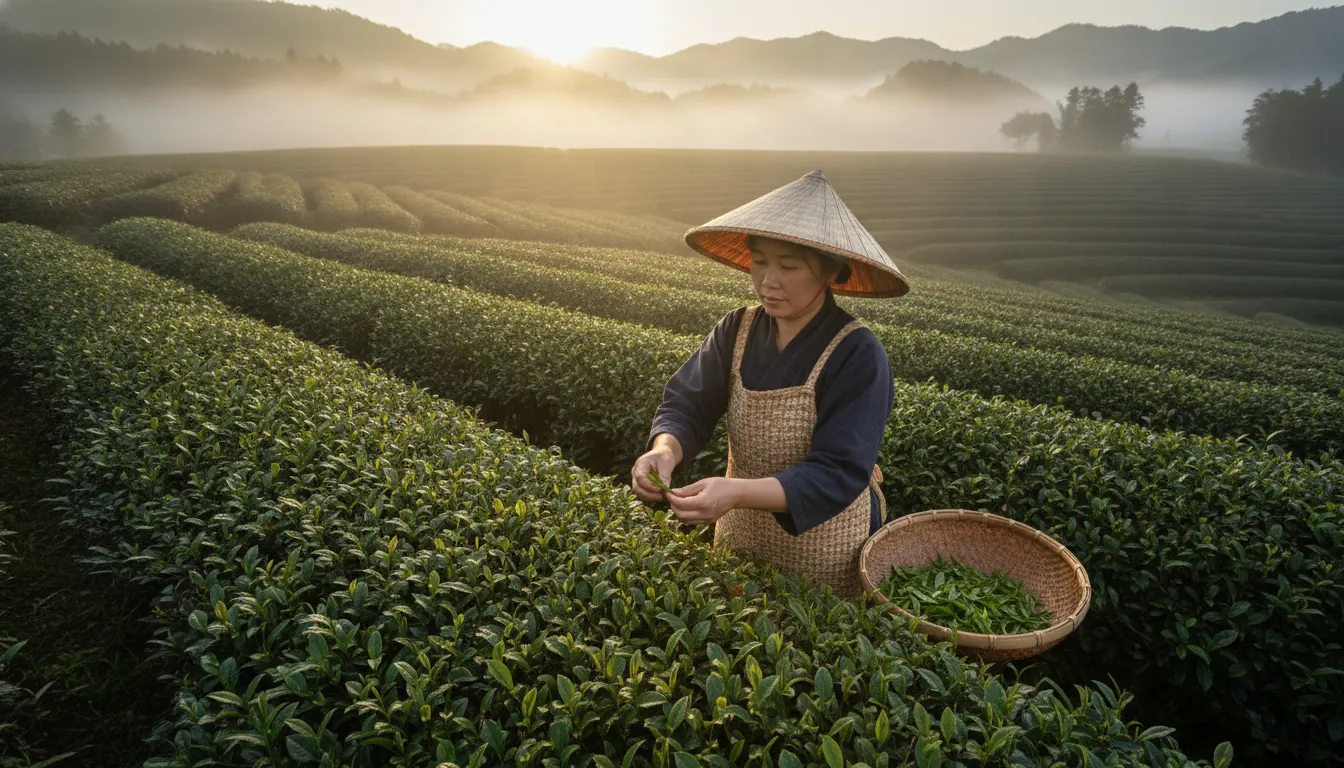
That variation is part of the meaning of first harvest Japanese tea. It is not simply tea picked on a date printed on a national calendar. It is the first planned picking from a particular tea field, under that field's conditions, with the producer's chosen standards. Research on tea composition likewise shows that leaf characteristics change throughout the growing season in response to harvest timing and environmental conditions. For that reason, the exact calendar date can tell you something about the season, but it cannot tell the whole story about the finished tea. Research on tea harvest and leaf composition describes how both timing and environment influence the leaves.
How later harvests fit into the calendar
Ichibancha is the opening harvest, not the end of the growing season. As the tea plant produces additional growth, producers may gather later flushes. These are commonly called nibancha, or second harvest, and sanbancha, or third harvest. Their timing depends on the same regional conditions and production choices, so the interval between harvests is not identical from farm to farm. Some teas are made primarily from the first flush, while others reflect later growth or blends selected for a particular style.
Later harvests are not automatically lesser teas. They develop under different conditions and can offer a different balance of aroma, texture, and astringency. The first flush may be associated with tender young leaves and a vivid infusion, but those are tendencies rather than guarantees. Cultivar, weather, shading, picking standards, and processing all influence the result. Understanding the ichibancha meaning helps you read a label accurately: it identifies the tea's first position in a seasonal sequence while leaving room for the character of the individual farm and harvest.
What Does First-Harvest Japanese Tea Taste Like?
A first-harvest Japanese tea often tastes fresh, delicate, and layered, but there is no single flavor profile shared by every ichibancha. The cup reflects several choices and conditions: how young the shoots were at picking, the cultivar, the growing environment, and the way the leaves were processed. Think of first harvest as a useful seasonal clue, not a guarantee that every tea will taste the same.
The leaves are typically tender young shoots. In the cup, that can translate to a softer, more refined impression than tea made from later growth. Many first-harvest teas are associated with a rounded umami character, sometimes accompanied by a gentle sweetness or a clean, refreshing finish. Their perceived astringency may feel lower than that of later-harvest teas, although brewing temperature, steeping time, and the tea style can change the balance significantly.
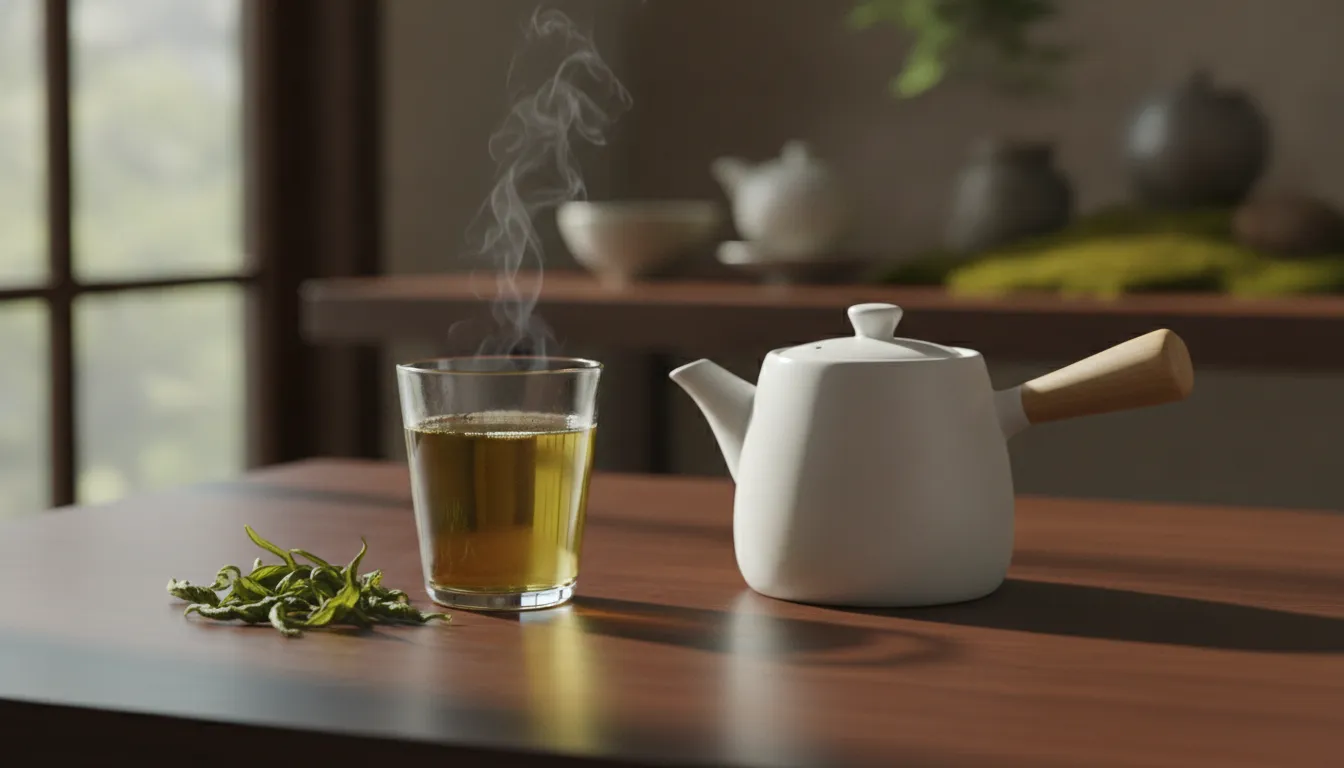
Look for a vivid infusion, not a fixed shade
Visually, the infusion may appear bright or vivid, especially when the tea is made from fresh spring growth and handled to preserve its character. Sencha can pour a clear, lively green, while other Japanese teas may show softer green, yellow-green, or deeper tones. Color alone does not establish quality. Water, leaf size, shading, steaming, roasting, and the amount of leaf used all influence what you see in the cup.
Processing shapes the final cup
Harvest timing is only the beginning. After picking, Japanese green tea leaves are steamed or otherwise heated to stop oxidation, then rolled and dried. The balance of those steps affects aroma, texture, clarity, and the way umami and astringency appear. A lightly processed tea may feel especially clean and aromatic, while deeper steaming can create a fuller, cloudier infusion with a softer texture. Roasting changes the experience again, bringing warmer, toastier notes that may make the spring character less overt.
Environmental conditions also matter. The composition of tea leaves changes throughout the growing season and in response to the conditions in which the plant grows. That is why two teas both labeled ichibancha can differ in fragrance, body, color, and finish. One may be floral and brisk; another may be savory and rounded.
When exploring the ichibancha meaning behind a label, taste the tea with attention to its whole story. Notice the aroma before sipping, then the texture, the balance of umami and astringency, and how the finish develops. The most useful question is not whether first harvest always tastes "better," but what this particular producer, region, cultivar, and processing style brings to the ritual.
Ichibancha vs Shincha, Nibancha, and Sanbancha
Japanese tea labels can use several harvest terms for a single season, and the words do not always function as exact equivalents. Ichibancha means the first tea, or the first harvest of the tea season. Shincha means new tea and often describes the fresh tea released from that spring harvest. In everyday product language, the two terms may overlap, but a producer can use them with a slightly different emphasis. Ichibancha points to sequence, while shincha highlights newness and freshness.
After the first harvest, later rounds are commonly called nibancha, the second tea, and sanbancha, the third tea. These terms describe order rather than a fixed calendar date. The number of harvests, the interval between them, and the names used on packaging can vary by region, cultivar, weather, and producer practice. Research on tea composition also finds that leaf characteristics change throughout the growing season and respond to environmental conditions. So a harvest label is useful context, not a complete tasting or quality verdict. Studies of Japanese green tea harvests describe meaningful differences between early and later harvests, while still leaving room for production variation.
| Term | Plain meaning | Typical place in season | What the label tells you |
|---|---|---|---|
| Ichibancha | First tea or first harvest | First spring harvest | The leaves came from the season's first picking. Definitions and calendars vary. |
| Shincha | New tea | Usually the newly released spring tea | The label emphasizes freshness or the year's new tea. It often refers to ichibancha, but the terms are not guaranteed to be identical in every usage. |
| Nibancha | Second tea or second harvest | After the first spring picking | The leaves came from a later round than ichibancha. It does not, by itself, specify cultivar, region, processing, or flavor. |
| Sanbancha | Third tea or third harvest | Later in the growing season | The leaves came from a third picking where that terminology is used. Local harvest schedules and naming conventions still matter. |
In broad terms, ichibancha is associated with the first spring flush, while nibancha and sanbancha identify subsequent flushes. The first harvest usually begins in late April or early May in some Japanese tea regions, but that timing is not universal. Regional calendars and cultivar differences can move the season earlier or later, as this overview of ichibancha timing notes. A careful label reader therefore treats shincha as a freshness cue and the numbered terms as harvest-order cues. To understand the tea more fully, look for the growing region, cultivar, processing style, harvest year when provided, and brewing guidance alongside the harvest name.
How Ichibancha Meaning Helps You Read a Tea Label
When you see ichibancha on a package, treat it as useful context rather than a complete quality verdict. The term identifies the first harvest of the tea season, and harvest timing is an important way Japanese tea is described and marketed. It does not tell you everything about the cup. A thoughtful label reader also looks for where the tea was grown, which cultivar was used. How the leaves were processed, and how recently the tea was harvested or packed.
- Start with the harvest information. Check whether the label names a harvest year, a harvest season, or simply uses ichibancha as a sequence term. If a year is disclosed, it gives you a helpful starting point for judging freshness. If no year appears, check whether the producer provides a packing date, release information, or storage guidance elsewhere. Freshness matters for Japanese green tea, especially when the appeal is a lively, delicate spring character. Still, a newer harvest is not automatically better for every palate. Storage, packaging, processing, and the tea's intended style all shape the result.
- Look for place and cultivar. A region can provide cultural and growing context. Uji, Kyoto, for example, is associated with a long tea-making tradition and specialized producer knowledge. SŌRATE's connection to Uji is part of the story behind how its tea is sourced and presented, and the farm relationship adds provenance beyond a season label. Read more about SŌRATE's connection to Uji, then explore these types of Japanese green tea for a broader orientation to regional styles and tea names. Cultivar is another valuable detail when it is available. Different cultivars mature at different times and can contribute distinct aromas, textures, and flavor balance.
- Notice the processing and brewing guidance. Processing helps explain what happens between the field and your teapot. Steaming, rolling, shaping, roasting, and other choices affect the leaf's appearance and the finished infusion. Finally, read the brewing instructions. Water temperature, leaf quantity, steeping time, and the number of infusions are practical clues to the tea's intended character. Following the guidance first lets you evaluate the tea fairly, then adjust it to your taste. As you compare labels, browse SŌRATE's Japanese tea collection. Ask four questions: When was it harvested? Where did it come from? How was it made? What ritual does the producer suggest?
Those details turn ichibancha meaning from a vocabulary question into a more informed way to choose and enjoy tea.
Shop SŌRATE's Japanese tea collection
Use the harvest sequence as a starting point, then read the rest of the label for freshness information, origin, cultivar, processing, and brewing guidance. These details give a fuller picture than a single seasonal term.
Look for place, cultivar, processing, and brewing guidance alongside the harvest term. Uji, Kyoto, for example, is associated with a long tea-making tradition and specialized producer knowledge. SORATE's connection to Uji is part of the story behind how its tea is sourced and presented, and the farm relationship adds provenance beyond a season label. Read more about Sorate's connection to Uji, then explore these types of Japanese green tea for a broader orientation to regional styles and tea names. Different cultivars mature at different times and can contribute distinct aromas, textures, and flavor balance. Steaming, rolling, shaping, roasting, and brewing choices also affect the leaf's appearance and finished infusion. As you compare labels, browse SORATE's Japanese tea collection and ask four questions: When was it harvested? Where did it come from? How was it made? What ritual does the producer suggest? Those details turn ichibancha meaning from a vocabulary question into a more informed way to choose and enjoy tea.
Frequently Asked Questions
What does ichibancha mean?
Ichibancha means the first tea or first harvest of the Japanese tea season. The term describes when the leaves were harvested, not a universal ranking that makes every first harvest better than every later one.
Is ichibancha the same as first-harvest Japanese tea?
Yes. In product descriptions, ichibancha is commonly used for tea made from the season's first picking, generally the spring harvest. The exact timing can differ with region, climate, and tea cultivar.
What is the difference between ichibancha and shincha?
Ichibancha emphasizes harvest sequence, while shincha means new tea and emphasizes the freshness of the season's tea. The terms can overlap on labels, although producers may use them according to their own product and release conventions.
Are nibancha and sanbancha later harvests?
Yes. Nibancha refers to a second harvest and sanbancha to a third harvest. Later pickings can have a different balance of flavor and astringency, but the result also depends on growing conditions, processing, and the tea itself. Harvest calendars are not identical in every region.
Understanding ichibancha meaning is a small step toward reading Japanese tea with greater care. The harvest term offers useful seasonal context. The full character of a tea also comes from its region, cultivar, processing, freshness, and the people who bring it to your cup. Take your time with the label, then let aroma, color, and flavor guide your own ritual.
SŌRATE's Japanese tea collection brings together teas selected with an appreciation for provenance, craft, and the quiet pleasure of preparation. Explore at your own pace, whether you are looking for a spring harvest tea or simply a distinctive cup to make part of your day.


