


Learning how to read Japanese tea labels starts with looking past the front panel. A few carefully chosen words may point to a tea's origin, harvest, cultivar, processing, and the kind of flavor you can expect in the cup.
Shop Sorate's Japanese tea collection
Learning how to read Japanese tea labels means treating each term as a useful clue rather than a universal promise. Start with the tea name and Japanese characters, then look for origin, harvest information, processing notes, ingredients, dates, storage guidance, and brewing directions. Together, these details help you choose green tea that suits your taste and prepare it with greater confidence.
Labels can vary by producer and market, so the goal is not to memorize every Japanese term. It is to understand what each field can tell you, what it cannot, and how the pieces fit together. First, consider the information a label is designed to communicate.
What Does a Japanese Tea Label Tell You?
Learning how to read Japanese tea labels is less about memorizing every Japanese term and more about knowing which clues help you choose. A label can connect the tea in your hand to its name, ingredients, origin, date, storage needs, and the business responsible for selling it. Read that information as a practical guide, not as a promise that one word automatically determines quality or flavor.
Japanese labeling standards are designed to support clear product information and informed selection. For packaged tea, required information can include the product name, ingredients, origin information, quantity, best-before date, storage method, and responsible food business or manufacturer. The presentation depends on the product and market. A package made for shoppers in Japan may look different from an export package with English explanations. A small pouch may provide less room than a larger box.
The distinction between required and optional information matters. The Japanese Green Tea Labeling Standards identify core food-labeling items. Details such as a cultivar name, regional tea name, company mark, handling note, or packaging description may be provided voluntarily. The absence of a field does not necessarily indicate a problem. It may reflect the producer's choices, the product format, or the rules in the destination market.
- Start with the name: Confirm what kind of tea the package identifies and compare the English name with Japanese text when both appear.
- Check composition: Read the ingredient list to see whether the product is a single tea or includes other listed ingredients. In Japanese labeling guidance, ingredients are generally ordered by weight.
- Find origin details: Look for the stated growing region or raw-material origin, while remembering that wording can vary between domestic and export labels.
- Locate date and storage information: Use the best-before date and storage instructions to plan how and where to keep the tea.
- Notice optional detail: Harvest timing, cultivar, processing notes, and brewing guidance can be useful clues when supplied, but they are not displayed identically on every package.
A good reader also separates a label's purpose from a marketing phrase. Terms that sound impressive still need context: What do they describe, and what choice do they help you make? If a label gives a harvest note, you can use it as one clue about freshness or style. If it gives storage guidance, follow that instruction rather than relying on a general rule. For the formal basis behind many packaged-tea fields, see the Japanese Green Tea Labeling Standards and the Japanese government's food-labeling regulations.
In short, label literacy gives you a calmer way to shop. Gather the fields that are present, account for what varies, and then connect those clues to the flavor and preparation style you want. The next step is to examine each field more closely.
How to Read Japanese Tea Labels Field by Field
Learning how to read Japanese tea labels is less about memorizing a fixed code and more about knowing which clues deserve your attention. Labels for tea sold in Japan commonly communicate basic product information such as the name, ingredients, origin, date, and storage method. Optional details, including a cultivar or a named harvest, may appear on one package and not another. Export packaging can also translate some terms while leaving others in Japanese.
Use the table below as a shopping guide, not a universal checklist. A term can describe a product accurately without promising that it will taste a particular way. When a detail is unclear, compare the English name with the Japanese text where available, then look for the producer's explanation. Japan's green tea labeling standard distinguishes required information from optional items, which helps explain why labels vary. Read the Japanese Green Tea Labeling Standards for the formal framework.
| Field | Terms or examples | What it helps you choose | Caveat |
|---|---|---|---|
| Tea name | Sencha, gyokuro, hojicha, genmaicha; Japanese tea characters. | The broad style and likely preparation experience you are seeking. | Names describe tea categories, but producer usage and translations can differ. |
| Origin | Uji, Kyoto; Shizuoka; Kagoshima; prefecture or region names | A starting point for exploring regional character and sourcing. | Origin alone does not establish a quality grade or guarantee a flavor profile. |
| Harvest | Shincha, ichibancha, first harvest, or a harvest year | Whether the tea is associated with a particular picking period and a fresher style. | Harvest terms are clues, not a universal ranking. Not every label gives a year. |
| Cultivar | Yabukita or another named tea-plant variety | Potential differences in aroma, texture, and flavor when comparing teas. | A cultivar is a plant variety, not a quality grade. It may be omitted. |
| Processing | Steamed, deeply steamed, roasted, shaded, tencha | Useful context for choosing vegetal, rounded, toasted, or umami-forward character. | Terms may describe one processing stage and do not predict every cup. |
| Ingredients | Green tea; green tea and roasted rice | Whether the package contains tea alone or a blend such as genmaicha. | Read the full list. Ingredient order reflects composition by weight where applicable. |
| Date | Best-before or expiration date | How soon to open and enjoy the package for its intended freshness. | Date formats vary. A date is not the same as a harvest date. |
| Storage | Keep sealed, cool, dry, and away from strong odors | How to protect the tea after purchase and between sessions. | Follow the package directions, especially after opening. Instructions vary by product. |
Start with the fields that answer your immediate question. If you want a clean, familiar green tea, identify the tea name first. If you are comparing two similar teas, origin, harvest, cultivar, and processing add useful detail. For a blend, ingredients may matter most. The date and storage instructions become essential once you choose a package, because careful handling preserves the experience the producer intended.
For example, Sorate's direct relationship with a family-owned farm in Uji, Kyoto gives its origin information a specific meaning: it connects the tea to a known place and sourcing story. That context is different from treating "Uji" as a blanket guarantee for every tea carrying the word. Reading labels well means pairing each field with the producer's supporting information, then choosing the cup that fits your preferences.
Which Japanese Words Matter Most When You Shop?
When you are learning how to read Japanese tea labels, start with the words that identify what is in the package. These terms are useful clues, but they are not a universal grading system. A producer may use a term slightly differently, and export packaging may translate some words while leaving others in Japanese. Read the name alongside the origin, harvest, processing, and ingredient details.
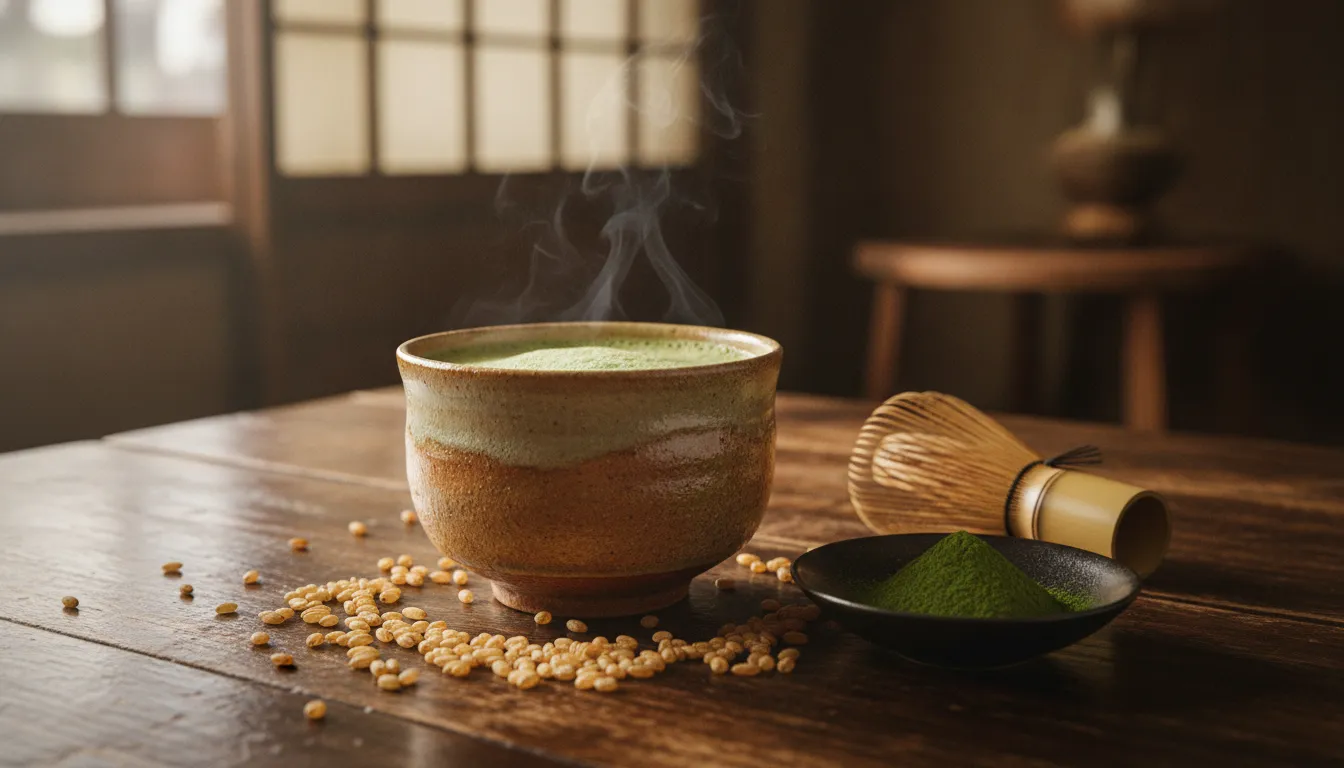
Sencha usually identifies a steamed, rolled-leaf green tea intended for everyday brewing. Gyokuro points to a shaded tea with a deep, savory profile, although the exact character depends on the producer, harvest, and preparation. Hojicha tells you the leaves have been roasted, so look for a toasted aroma and a warm, rounded cup. Genmaicha signals a blend of green tea and roasted rice, which brings a distinctly toasted note.
Two other words describe the material or part of the plant rather than a broad serving style. Kukicha is stem tea, made primarily from the stems and stalks separated during tea production. It can offer a lighter, gently sweet impression. Tencha refers to the leaf material used to make matcha. Seeing tencha on a package does not mean the product is powdered matcha, so check whether the contents are loose leaves or finely milled.
- Sencha: a useful starting point for leafy, fresh green tea.
- Gyokuro: a clue to shaded tea and a fuller, more savory style.
- Hojicha: roasted tea with toasted character.
- Genmaicha: green tea blended with roasted rice.
- Kukicha: stem-focused tea with a lighter profile.
- Tencha: leaf material associated with matcha production.
Japanese characters can confirm what you are seeing when English and Japanese appear together. For example, sencha may be printed as 煎茶, gyokuro as 玉露, and matcha as 抹茶. Treat these as helpful recognition tools, not tests of authenticity on their own. A translated label may use different layout conventions, and not every package will display every term or character.
Finally, use the word as a prompt for the next question: what kind of cup do I want, and what details on this label support that choice? Sorate's teas are sourced directly from a family-owned farm in Uji, Kyoto, so the origin and product details can be read together rather than treated as decoration.
How Do Origin, Harvest, Cultivar, and Processing Change Your Choice?
Once you know the basic tea name, four more label clues can help you shop with greater intention: origin, harvest, cultivar, and processing. They describe different parts of the tea's story. None is a universal quality score, and none can promise that every cup will taste exactly the same. Together, however, they can help you choose a profile that sounds appealing and understand why two green teas may differ.
Origin points to place, not a flavor guarantee
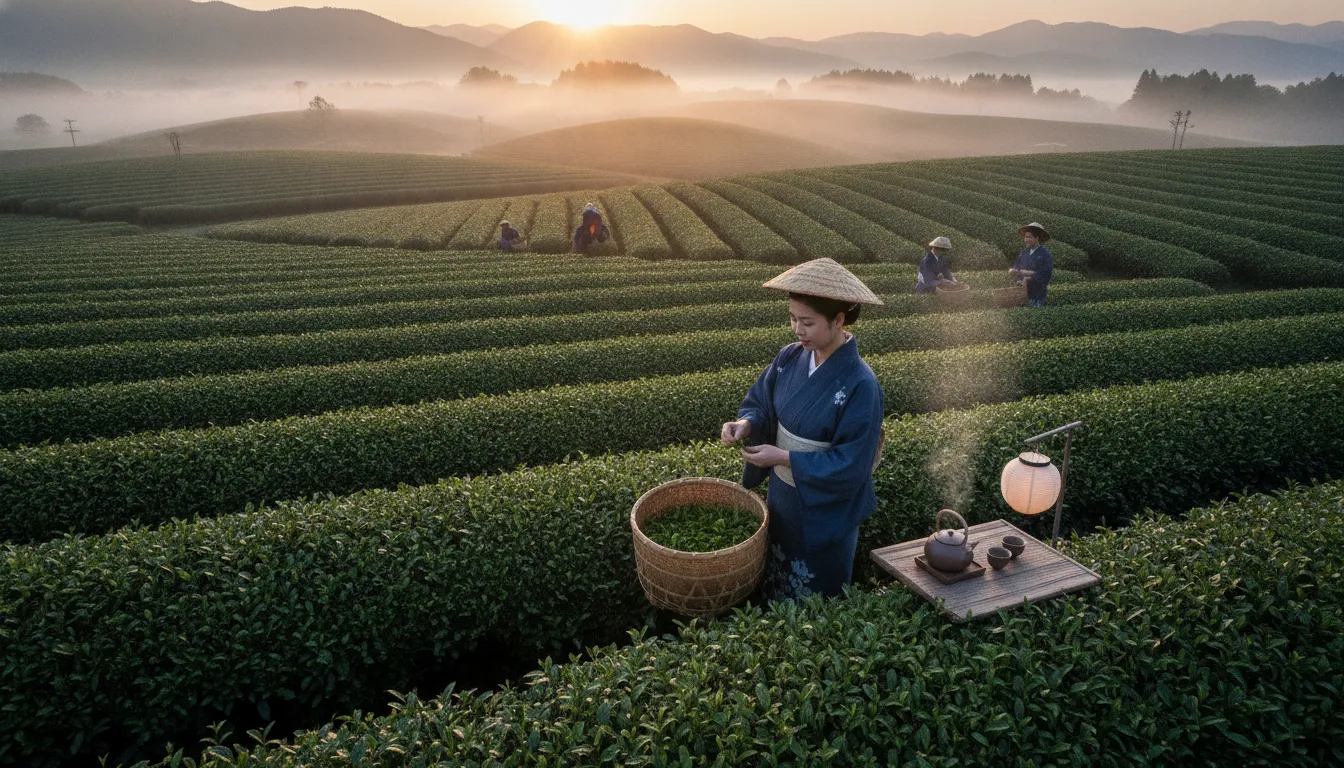
Origin identifies where the tea was grown or processed. A label may name a prefecture, a smaller region, or a place such as Uji in Kyoto. Uji is one of Japan's well-known tea-growing areas, alongside regions such as Shizuoka and Kagoshima. Sorate's tea and matcha are sourced directly through a relationship with a family-owned farm in Uji, Kyoto. So that place is meaningful customer-specific context rather than a generic badge to apply to every Japanese tea.
Use origin to explore a sense of place and to ask better sourcing questions. Soil, climate, elevation, producer decisions, and blending can all shape the finished tea. Treat the region as a useful starting clue, then look for the producer's description and brewing guidance before deciding whether it suits your preferences.
Harvest describes timing
Harvest language tells you when the leaves were picked. You may see terms such as shincha, commonly used for a first harvest tea, or a reference to a particular picking season. Earlier harvests are often associated with fresh, lively character, while later harvests may offer a different balance. That is a direction for exploration, not a fixed ranking. The harvest date, storage conditions, and the producer's processing choices also affect how the tea presents when you brew it.
Cultivar names a plant variety
A cultivar is a selected variety of the tea plant, not a grade and not another name for the growing region. Different cultivars can be chosen for traits that influence aroma, texture, color, or how the plant performs in a particular setting. Scientific research on Japanese tea cultivars examines their breeding and parentage, including relationships among dozens of named cultivars: read the cultivar research.
If a cultivar is listed, use it as a way to compare teas and notice patterns in your own tasting notes. If it is not listed, that absence does not by itself tell you that the tea is inferior. Producers and markets do not present every label field in the same way.
Processing changes the leaf's expression
Processing explains what happened after harvest. Japanese green tea is typically steamed to halt oxidation, and labels or product descriptions may distinguish steaming levels. Shading is another important clue: teas such as gyokuro are produced with shade before harvest, a technique associated with a deeper, more savory style. Roasting, as used for hojicha, creates a toasted profile. These are examples of how processing can steer flavor, not a universal hierarchy of better and worse.
A practical way to read the clues
- Start with the flavor you want, such as fresh and vegetal, rounded and savory, or toasted.
- Check the tea name and origin to understand the broad style and place.
- Look at harvest and cultivar, if provided, for more detail about timing and plant variety.
- Use processing terms, including steaming, shading, or roasting, to refine your expectation.
- Brew according to the package guidance, then record what you taste. Let your own notes guide the next choice rather than treating one label term as a guarantee.
This is the heart of learning how to read Japanese tea labels: read each field as one piece of evidence. Then connect it to the cup in front of you.
What Should You Check Before Buying Japanese Green Tea?
Learning how to read Japanese tea labels becomes much easier when you treat the package as a series of practical questions. A label is a guide to what is in the bag, where it comes from, and how the producer expects you to enjoy it. It is not a universal ranking system, and wording can vary by producer and market. Use this five-step check before adding a tea to your basket.
- Start with the tea name. Look for the main English name, such as sencha, gyokuro, hojicha, genmaicha, or kukicha. If Japanese characters appear, compare them with the translated name. This helps prevent confusing a leaf tea with a roasted tea or a blend. For a broader overview, read about understanding different Japanese green tea varieties.
- Confirm the origin. Check whether the package names a country, prefecture, growing region, or specific farm. Origin gives you useful context, but it does not guarantee that every tea from one region will taste the same. Sorate's teas are sourced directly through a family-owned farm relationship in Uji, Kyoto. You can explore Sorate's Uji farm story to understand that sourcing connection.
- Look for harvest and processing details. Terms such as first harvest, shincha, shaded, steamed, roasted, or stone-ground describe how the leaves were grown or handled. Treat these as clues to style and flavor, not as a fixed quality ladder. A harvest note may suggest freshness, while roasting points toward a deeper, toasted profile.
- Read the ingredient and blend information. A single-origin tea may list only tea leaves, while genmaicha commonly identifies roasted brown rice as part of the blend. Check the ingredient panel and any allergen statement, especially when buying a flavored or blended tea. Japanese food-labeling guidance requires key product information, but imported packaging and translations may present it differently.
- Check the date, storage, and brewing guidance. Find the best-before or expiration information, then read the storage instructions. An unopened tea should be kept as directed, away from heat, moisture, and strong odors. Finally, follow the package's temperature and steeping recommendations first. If a label leaves an important detail unclear, contact the seller before buying. A knowledgeable tea seller should be able to explain the tea's origin, ingredients, and intended preparation.
Once you know which details matter to your preferences, shopping becomes less about decoding unfamiliar words and more about choosing a tea for the ritual you want to create.
Explore Sorate's Japanese tea collection
Frequently Asked Questions
Which part of a Japanese tea label should I read first?
Start with the tea name and ingredient list, then check origin, date, storage, and brewing guidance. This order tells you what the tea is, where it comes from, and how to keep and prepare it. If the package includes Japanese characters, compare them with the English name rather than relying on a familiar-looking word alone.
Does a harvest term guarantee that a tea is better?
No. A harvest term is useful context, but it is not a universal quality ranking. First harvest teas may appeal to you for their fresh, lively character, while another harvest or processing style may better suit a rounder, toastier, or more robust cup. Use the term alongside the tea type, origin, and your flavor preferences.
What is the difference between a tea's cultivar and its origin?
Origin describes where the tea was grown, such as Uji in Kyoto. Cultivar describes the named variety of the tea plant. They answer different questions, so neither one replaces the other. If a label names both, use origin to understand place and cultivar as a clue about the plant and its potential character.
What should I do if a label does not explain how to brew the tea?
Look for guidance on the product page or ask the seller for recommendations based on the tea type and leaf style. Start conservatively, taste the first infusion, and adjust water temperature, steeping time, or leaf quantity to your preference. Also check the package date and storage instructions before opening, since freshness and handling affect the cup.
Reading a Japanese tea label becomes easier when you treat it as a guide, not a test. Look for the tea name, origin, harvest details, cultivar, processing notes, storage guidance, and brewing suggestions. Then connect those clues to the flavors and ritual you want to bring into your day.
Sorate makes that next step inviting. Our Japanese green teas are sourced through a direct relationship with a family-owned farm in Uji, Kyoto, giving you a meaningful connection to the place and people behind the leaves. Explore the collection at your own pace, and choose a tea that suits your palate, your teaware, and the moments you want to make more intentional.


