


A Japanese tea ceremony class is less about watching someone prepare matcha and more about learning how attention shapes the experience. At Sorate's SoHo teahouse, the setting is intimate, educational, and grounded in the cultural ritual of tea.
If you are considering a tea ceremony NYC experience, expect a guided introduction to traditional etiquette, from the tools of preparation to the quiet pleasure of receiving a bowl of matcha. Tea Master Keiko Kitazawa leads the class, making space for questions while preserving the rhythm and respect of the ceremony.
You do not need prior knowledge to participate. At 103 Sullivan Street, first-time guests can settle into the ritual, understand what each moment means, and decide whether a class suits the cultural experience they want from an afternoon in New York. The details, from arrival through the final sip, make the experience approachable without reducing its tradition.
This guide walks through everything you can expect, from booking and how long the class lasts to what to wear and how the ceremony unfolds step by step. I also explain why learning chanoyu from a certified tea master matters, so you can choose the experience with confidence. If you have never tried matcha or attended a tea ritual, you will have a clear sense of what an expert-led session feels like before you arrive.
What to Expect at a Japanese Tea Ceremony Class in NYC
A welcoming beginning in SoHo
If you are attending a tea ceremony NYC class for the first time, you do not need to arrive with perfect knowledge of etiquette. I welcome beginners into the experience with clear guidance, patience, and warmth. The ceremony is not an examination. It is an opportunity to slow down and notice each gesture, object, and exchange.
Your visit begins at Sorate's teahouse at 103 Sullivan Street in SoHo. This intimate setting offers a thoughtful pause from the movement of New York City. On arrival, you will have time to settle in, meet the group, and become comfortable in the space before the formal sequence begins.
Greeting, seating, and presence
I lead each ceremony as Tea Master Keiko Kitazawa, introducing the purpose of the gathering and explaining what you will see. Guests are greeted and shown where to sit. You may receive simple instructions about how to hold a bowl, when to observe, and how to move with care.
There is no need to memorize a long list of rules. The essential etiquette is attentiveness. Watch the preparation, listen to the explanations, and follow the pace of the room. If you are uncertain, you can pause and observe someone else. Questions are welcome, especially when they help you understand the meaning behind a gesture.
- Arrive ready to be present rather than perfectly prepared.
- Listen for guidance about seating, movement, and receiving the bowl.
- Take your time with each step instead of trying to anticipate the next one.
More than simply drinking tea
In an ordinary tea service, the drink may be the main focus. In a ceremony, preparation and hospitality are equally important. The sound of the whisk, the warmth of the bowl, and the arrangement of each utensil become part of the experience. Matcha is prepared with intention, then offered as a personal gesture of welcome.
This is why the session feels immersive and educational rather than transactional. It introduces the cultural and spiritual ritual of tea through direct experience. The goal is not to rush toward a tasting note. It is to recognize how a simple act can create connection, stillness, and attention.
Book a Japanese tea ceremony class in NYC
Leaving with a deeper understanding
By the end, you will have experienced the arc from welcome to preparation, serving, and reflection. You may remember the flavor of the matcha, but you will also remember the care surrounding it. That shift in attention is what distinguishes a Japanese tea ceremony class from simply ordering a cup of tea.
How Long Does a Tea Ceremony Class Last in New York?
Most visitors should plan for about 60 to 90 minutes for a focused tea ceremony class in New York. A fuller Japanese tea ceremony experience may take closer to one or two hours, depending on the format, group size, and depth of the practice. Before booking a tea ceremony NYC experience, I recommend leaving enough room on both sides of the appointment. Arriving without rushing allows you to enter the ritual with the attention it deserves.
What happens during a 60 to 90 minute class?
In a focused class, the time usually includes a welcome, a brief orientation, and an introduction to the etiquette of the tea room. I prepare the matcha while explaining the movements and objects involved. Guests then have an opportunity to observe closely and take their own turn, depending on the class format.
There is also time to taste the tea, ask questions, and share a short conversation afterward. That closing exchange matters. It gives you space to understand what you saw rather than leaving with only a sequence of movements to remember.
At Sorate's SoHo teahouse, Tea Master Keiko Kitazawa leads intimate, educational tea ceremony experiences. The setting at 103 Sullivan Street offers a dedicated place to encounter the ritual in person, rather than treating the class as a quick demonstration.
Why a private practice session may take longer
A private practice session can extend beyond the compact class format. With more time, we can slow down individual movements, discuss the relationship between the host and guest, and allow each participant to repeat a step. We may also spend longer examining the bowl, whisk, or other utensils and considering how each object contributes to the occasion.
The difference is not simply the number of minutes. A longer session creates room for practice and conversation without compressing the ceremony into a tight schedule. If you are curious about etiquette, studying the forms, or looking for a more personal experience, a private format may be the better fit.
Why the pace is intentionally unhurried
Tea ceremony is not designed to move as quickly as a conventional beverage service. The pauses allow the host to prepare the matcha with care and the guests to notice each gesture. They also create a clear transition from the pace of New York outside to the stillness of the tea room.
For that reason, quiet moments are not wasted time. They are part of the ritual. Whether your class lasts an hour or approaches two, the goal is to be present for the preparation, the exchange, and the conversation that follows.
Step by Step: What Happens During a Tea Ceremony
In my tea ceremony classes, I invite guests to follow a sequence that is both precise and welcoming. Each gesture has a purpose, but beginners do not need to perform it perfectly. Attention, respect, and curiosity matter more than knowing every detail before you arrive.
-
Enter and offer a bow
The ceremony begins as you enter the tea space and greet the host with a bow. This simple exchange marks a transition from the pace outside to the shared world of tea. You are acknowledging the host's preparation and the presence of everyone gathered. The atmosphere is intimate, educational, and rooted in the cultural ritual of tea.
-
Purify the utensils
I rinse the tea utensils and the chawan, or tea bowl, with deliberate movements. I also fold the chakin, the small cloth used during the ceremony. This is not cleaning for display alone. Purification prepares the objects and the mind for the moment they will share. The careful pace helps guests notice the quiet beauty of ordinary materials.
-
Prepare the matcha
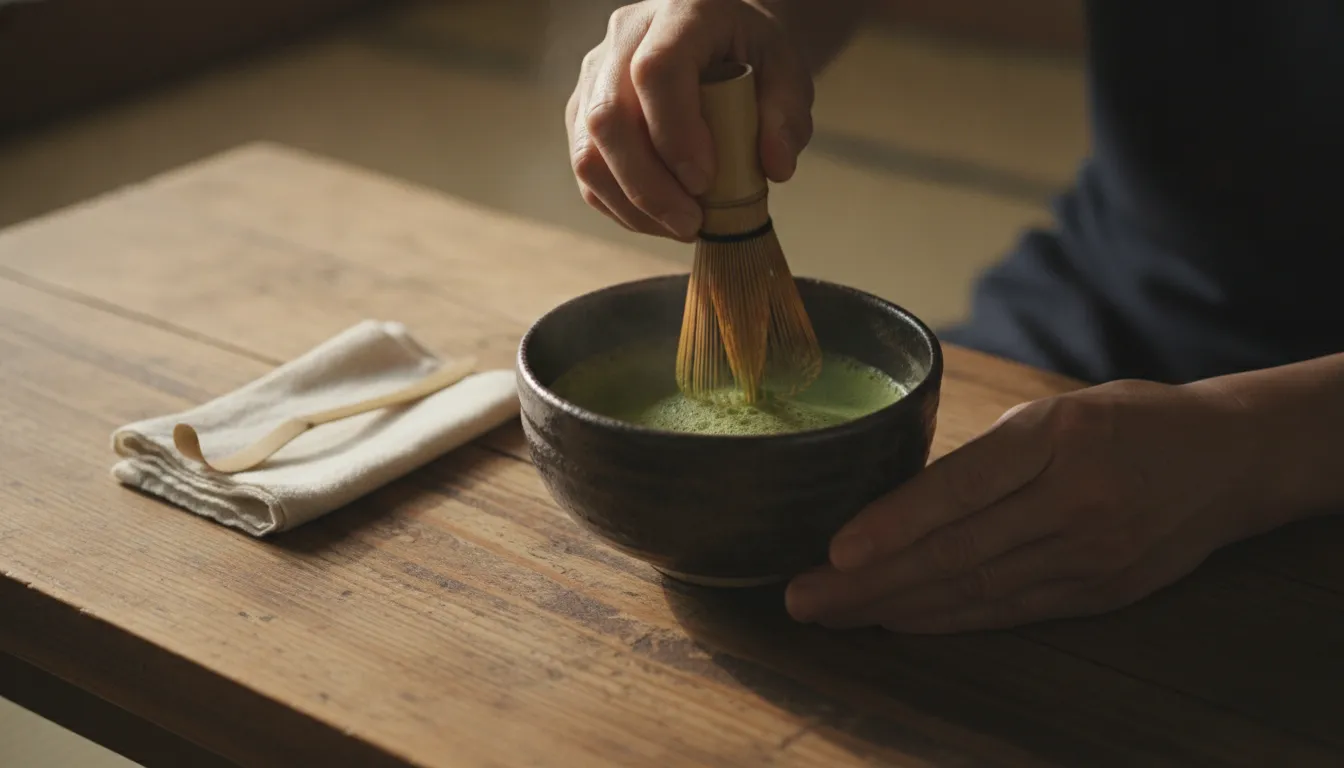
I scoop the matcha into the bowl, add water, and whisk it with the chasen. The sound and movement of the whisk are part of the experience. Rather than rushing toward a finished drink, I focus on consistency, balance, and care. Watching this preparation gives guests a closer understanding of why matcha is central to the traditional ceremony.
-
Present the bowl
When the matcha is ready, I present the bowl with its front facing the guest. This placement honors the bowl as an object of attention and acknowledges the person receiving it. In a formal setting, the arrangement of each object communicates consideration. The guest can take a moment to receive the bowl before drinking.
-
Receive and admire the chawan
The guest accepts the bowl respectfully and takes time to admire it. Notice its shape, glaze, texture, and the way it feels in your hands. You may turn the bowl slightly so you do not drink from its front. This pause is an important part of the exchange. It allows the vessel, the tea, and the maker's work to be appreciated together.
-
Drink with simple etiquette
Before drinking, the guest acknowledges the host and takes several measured sips. The final sip is traditionally finished with an audible sound. This is not meant to be theatrical. It signals that the guest has enjoyed the matcha. Afterward, wipe the rim of the bowl with the provided tissue and return it carefully, following the host's guidance.
-
Close with a final exchange
At the end, the bowl and utensils are respectfully addressed once more. The host and guest share a closing exchange, often with thanks and a final bow. The ceremony ends as it began, through attention and connection. At Sorate's SoHo teahouse, Tea Master Keiko Kitazawa leads each experience with this spirit of tradition, making a tea ceremony NYC visit feel welcoming as well as meaningful.
What to Wear to a Tea Ceremony in NYC
When guests ask me what to wear to a tea ceremony in NYC, I usually give the same advice: choose comfort, quietness, and respect over formality. You do not need to arrive in a kimono to attend a class. Traditional clothing can be beautiful, but it is not a requirement for participating thoughtfully.
Wear clean, comfortable clothing that allows you to sit on the floor. Neutral and muted tones are especially appropriate because they keep attention on the shared ritual rather than on individual outfits. Soft gray, navy, cream, brown, and other understated colors work well. Modest clothing is also helpful, particularly pieces that remain comfortable when you are seated for a period of time.
Choose clothing that supports the ritual
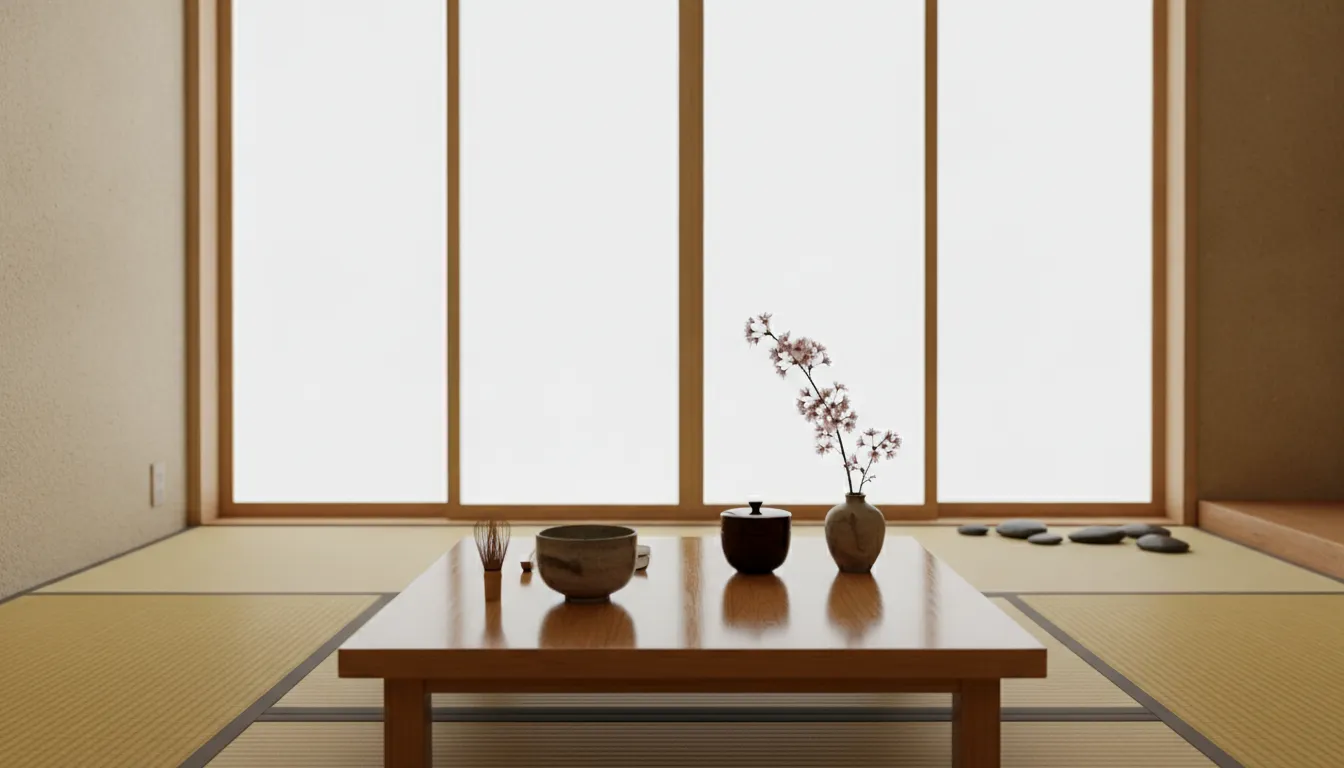
At the teahouse, guests remove their shoes before stepping onto the tatami. Because of this, socks are important. Wear a clean pair without holes, or bring socks with you. Some guests also prefer to wear loose trousers or a longer skirt that allows easy movement. Avoid anything so tight or restrictive that sitting cross-legged or in seiza-style becomes difficult.
Seiza-style sitting means kneeling with the legs folded beneath you. You may also sit cross-legged when appropriate, especially if kneeling is uncomfortable. The purpose is not to test your flexibility. It is to help you settle into the room and take part in the experience with care. Clothing that lets you adjust your posture quietly will make the ceremony more enjoyable.
Please skip strong perfume or cologne. The fragrance of tea, sweets, incense, and the room itself is part of the experience, and heavy scents can distract from those details. I also recommend minimal jewelry and accessories. Bracelets, large earrings, jangling belts, and other noisy pieces can interrupt the stillness when you move or handle a tea bowl.
There is no need to dress brightly or dramatically for a class. A simple, polished outfit is entirely welcome. What matters most is arriving clean, comfortable, and ready to observe. In my classes, beginners are never expected to know every gesture in advance. The clothing should support your attention, not make you worry about getting something wrong.
What to bring
- Nothing is required. You may bring nothing at all.
- Clean socks, especially if you are not wearing them already.
- Provided footwear, if the teahouse offers it for the space.
When you dress with ease and consideration, you can give your attention to the matcha, the utensils, and the quiet rhythm of the ceremony. That presence is more important than perfect formality.
Tea Ceremony vs Matcha Workshop: Which Experience Is Right for You?
When guests ask me about choosing a tea experience in New York, I begin with one question: do you want to observe the ritual, or practice it yourself? Both formats offer a thoughtful introduction to matcha, but they create different kinds of participation.
At Sorate, I lead intimate experiences in our SoHo teahouse. A traditional Japanese tea ceremony class invites you to slow down and notice the details of hospitality. A matcha workshop gives you more time with the tools, movements, and flavor of the tea in your own hands.
| Consideration | Traditional Japanese Tea Ceremony Class | Matcha Workshop |
|---|---|---|
| Focus | Ritual, etiquette, presence, and the host's preparation of matcha. | Technique, tasting, and the hands-on process of preparing matcha. |
| What you do | Sit, observe the host prepare the bowl, and drink in turn with the group. | Whisk your own bowl, learn the basic movements, and taste the finished matcha. |
| Ideal for | Guests drawn to Japanese culture, ceremony, stillness, and traditional hospitality. | First-time learners, curious tasters, and anyone who wants to build practical confidence. |
| Length | A paced class centered on the complete ceremonial experience. | A guided session with more time devoted to preparation and tasting. |
Choose the ceremony class for observation and tradition
A tea ceremony class may suit you if you want to understand how each gesture contributes to the experience. You remain seated as I prepare matcha, then receive and drink it in turn. The pace allows you to observe without needing to perform every movement yourself.
This format is especially meaningful for visitors seeking a cultural experience rather than a casual beverage class. It offers a quiet introduction to etiquette, hospitality, and the relationship between host and guest. If you are new to Japanese tea ceremony, you do not need prior knowledge. I explain what you need to know as the experience unfolds.
Choose the workshop for practice and discovery
A matcha workshop is the better fit if you want an active role. You will handle the whisk, prepare your own bowl, and compare the result through guided tasting. I can help you understand how movement, water, and attention shape the bowl you create.
This hands-on format works well for beginners, friends planning an interactive outing, and tea lovers who want a practical foundation. For a broader introduction to the tea itself, you can also explore our tea tasting experience. It offers a different way to compare Japanese teas and discover your preferences.
There is no wrong choice. Select the ceremony class if you want to receive the ritual. Choose the workshop if you want to enter it through practice.
Why an Omotesenke-Style Class with a Certified Tea Master Matters
When you attend a tea ceremony in NYC, the value is not limited to learning how to whisk matcha. You are entering a tradition in which movement, attention, and hospitality are closely connected. A certified tea master helps make those connections visible, so each gesture has context rather than feeling like a sequence to copy.
Technique carries meaning
In my classes, I teach the practical details carefully: how to enter the room. Where to place your hands, how to receive the bowl, and how to whisk with control. These details are not meant to create distance or make a beginner feel watched. They give the experience a graceful structure and allow you to participate with confidence.
An informal demonstration may show the finished performance. A trained teacher can explain why the host turns the bowl, how the pace of preparation shapes the room, and what etiquette communicates between host and guest. You learn to notice the sound of the whisk, the warmth of the bowl, and the pause before the first sip. Precision becomes a way of practicing presence.
Learning the philosophy behind the gesture
The tradition also has an intellectual and aesthetic history. Sen no Rikyu shaped wabi-cha by bringing tea into an ethic and aesthetic of everyday life. His approach valued simplicity, imperfection, and close attention to the transient moment. An academic study from the University of Nebraska-Lincoln describes how Rikyu applied these ideas across the ceremony and found meaning in a simple act of sustenance.
That history changes how I teach. The goal is not to make a performance look flawless. It is to help guests understand why a quiet room, a carefully prepared bowl, and a considerate exchange can feel complete. Once you understand the intention, etiquette becomes more than a list of rules. It becomes a language of respect.
A direct connection to tea culture
Sorate's relationship with Uji, Kyoto gives this learning a meaningful point of connection. Japan's Ministry of Agriculture, Forestry and Fisheries identifies Uji as the country's oldest tea-producing area, with more than 800 years at the center of Japanese tea culture. You can read the ministry's history of Uji tea to understand the depth behind that origin.
I lead these intimate, educational experiences at Sorate's SoHo teahouse at 103 Sullivan Street. In that setting, beginners can ask questions while learning the etiquette, philosophy, and whisking technique together. The result is not simply a demonstration. It is a grounded introduction to chanoyu and to the care that gives matcha ceremony its enduring form.
Reserve your seat in a Japanese tea ceremony class in NYC
Frequently Asked Questions
Is a Japanese tea ceremony class suitable for beginners?
Yes. You do not need prior knowledge of chanoyu or Japanese etiquette. I introduce each gesture and explain its meaning as we move through the ritual, so first-time guests can participate with confidence while remaining attentive to the tradition.
What should I wear to a tea ceremony in NYC?
Choose clean, comfortable clothing that allows you to sit and move easily. Subdued colors and simple layers suit the atmosphere well. Avoid strong fragrances, dangling accessories, and restrictive garments that could distract you or interfere with the careful preparation of the tea.
What happens during the class?
At Sorate's SoHo teahouse, I guide guests through the sequence of the ceremony, including the preparation and presentation of matcha, seasonal awareness, and basic etiquette. The experience is intimate, immersive, and educational, with room for questions and thoughtful observation.
Where is the tea ceremony held in New York City?
The experience takes place at Sorate's teahouse at 103 Sullivan Street in SoHo. This dedicated setting gives guests the space to slow down and encounter Japanese tea culture through an expert-led ritual rather than a standard café service.
How do I book a tea ceremony class?
Review the available tea ceremony experience and select the option that fits your plans. Booking in advance is the best way to secure a place with me, Tea Master Keiko Kitazawa, and prepare for an intentional afternoon in SoHo.
Reserve Your Seat at a Japanese Tea Ceremony in NYC
There is no better way to experience the tea ceremony than in person. At our SoHo teahouse on 103 Sullivan Street, tea master Keiko Kitazawa leads each session in an intimate, welcoming setting.
You will sit close to the tatami, watch every graceful movement, and learn the ritual first-hand. No experience is needed. Beginners are warmly invited, and every guest leaves with a deeper understanding of how matcha is prepared and served.
Seats are limited, and private experiences book quickly. Whether you come alone or with friends, you will leave with a quiet, lasting appreciation for this centuries-old practice.
Book your Japanese tea ceremony in NYC today
Want to compare your options first? Browse all experiences at Sorate experiences.


