


Choosing between hojicha vs matcha is less about finding a superior tea and more about choosing the character your moment calls for. Matcha is vivid, vegetal, and concentrated, with a preparation that rewards attentive whisking. Hojicha is roasted, mellow, and aromatic, with a comforting simplicity that suits slower moments. Both begin as Japanese green tea, yet processing gives each a distinct flavor, caffeine profile, appearance, and ritual.
Explore SORATE's matcha collection and begin a focused tea ritual.
This guide compares the two teas in practical terms, from what they taste like to how they are prepared. It also explains why hojicha often feels at home later in the day, while matcha commonly accompanies a purposeful morning or afternoon pause. Individual caffeine sensitivity varies, so the best choice remains the one that supports your own rhythm.
Hojicha vs matcha at a glance
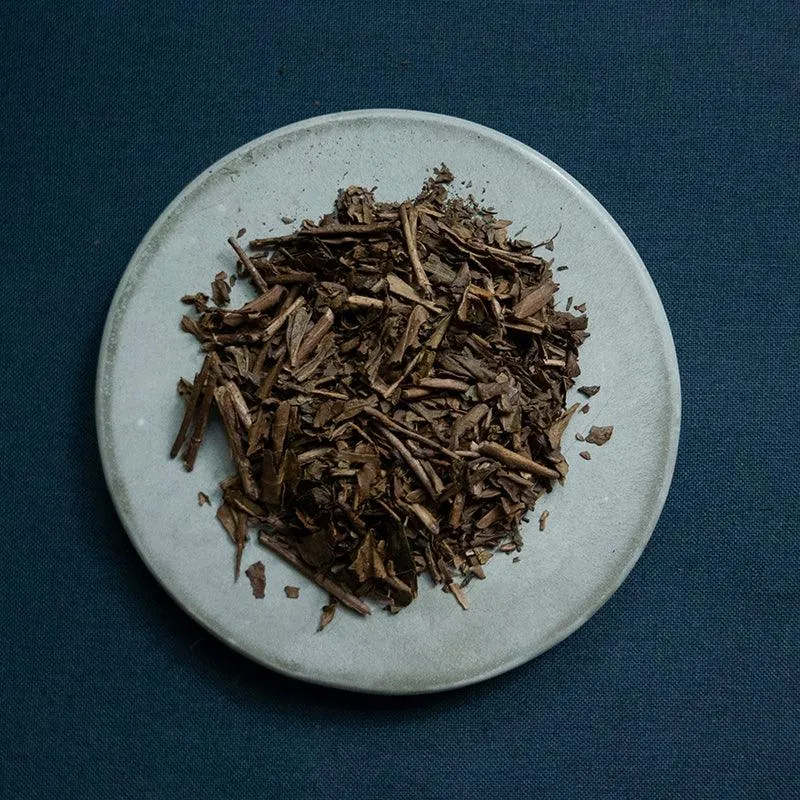
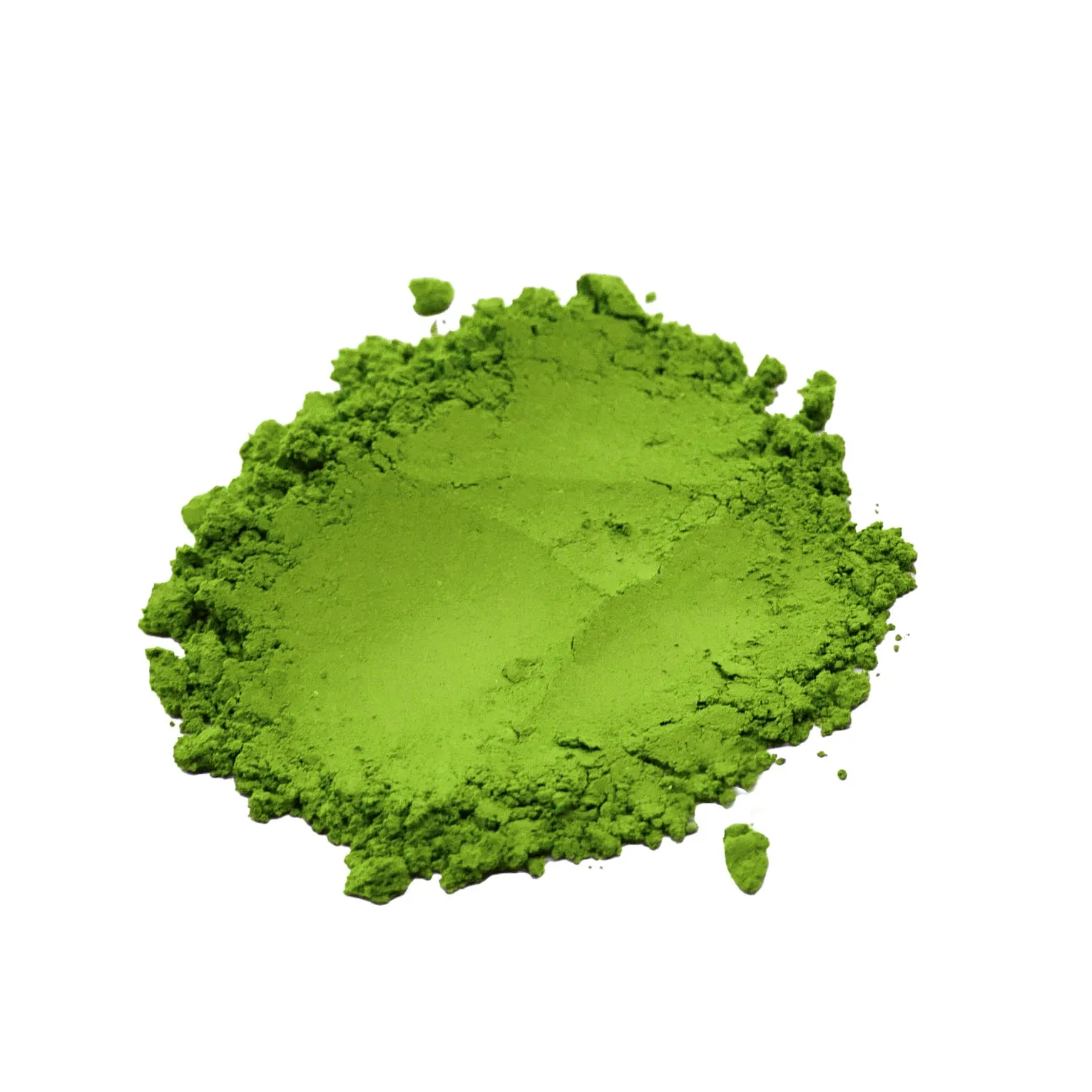
The clearest difference is processing. Matcha is made from shade-grown tencha that is refined and stone-ground into a fine powder. When prepared, the whole tea leaf is suspended in water and consumed. Hojicha is green tea that has been roasted, a transformation that turns the leaves brown and develops its signature toasted aroma.
| Quality | Matcha | Hojicha |
|---|---|---|
| Appearance | Vivid green powder | Brown roasted leaves or powder |
| Core flavor | Vegetal, umami-rich, creamy | Toasted, nutty, gently sweet |
| Preparation | Whisked as a suspension | Usually steeped; powder can be whisked |
| Caffeine | Generally higher per prepared serving | Generally lower, especially leaf hojicha |
| Natural fit | Focused morning or afternoon ritual | Calm afternoon or evening ritual |
These are useful guides, not rigid rules. Serving size, tea quantity, water temperature, and steep time all affect the cup. You can enjoy either tea whenever its flavor and preparation feel right.
How processing shapes each Japanese green tea
Matcha and hojicha both belong to the broad world of Japanese green tea, but their paths diverge long before they reach the bowl. Understanding those paths makes the contrast in the cup easier to appreciate.
Matcha begins with shade-grown tencha
Before harvest, tea plants intended for matcha are shaded. After picking, the leaves are steamed to halt oxidation, dried, and refined into tencha. Stems and veins are removed before the leaf is carefully ground into powder. SORATE's ceremonial matcha reflects this deliberate process and the traditions surrounding tea from Uji, Kyoto.
Because matcha is powdered, it is not steeped and removed. The powder is whisked into water, creating a full-bodied cup with a fine foam. This direct encounter with the leaf gives matcha its concentrated color, aroma, and taste.
Hojicha is transformed by roasting
Hojicha takes a different route. Finished green tea leaves are roasted at high temperature. The heat changes their green color to warm brown and develops a deeply toasted fragrance. SORATE's Hojicha Bancha is made from later-harvest bancha leaves and offers a nutty aroma and roasted flavor.
Roasting softens the grassy notes commonly associated with green tea. It produces a cup that can suggest toasted grain, nuts, caramel, or cocoa, depending on the tea and preparation. This is why someone who finds vegetal teas challenging may feel immediately at ease with hojicha.
What do hojicha and matcha taste like?
Taste is the most personal part of the comparison. Both teas can offer depth without added ingredients, but they express that depth differently.
Matcha is vivid, savory, and layered
Well-prepared matcha balances umami, sweetness, gentle astringency, and a fresh vegetal character. Its texture can feel creamy because the fine powder remains suspended in the water. Different cultivars and grades emphasize different notes, from bright and refreshing to rich and deeply savory.
For a first experience, sip matcha plain before adding milk or sweetener. Notice the aroma, texture, opening flavor, and finish. The cup changes as it cools, and patient tasting often reveals more than the first sip.
Hojicha is aromatic, toasted, and mellow
Hojicha leads with fragrance. Its roasted aroma rises quickly from the cup, while the flavor tends toward toasted grain, nuts, and gentle sweetness. The finish is usually soft, which makes the tea approachable even for people new to Japanese green tea.
SORATE's Hojicha Powder brings notes of smoked chocolate and caramel to a whisked preparation. It can also be used for lattes and cooking. Leaf hojicha offers a lighter, more transparent infusion and a simple steeping ritual.
Choose a tea kit or set to bring considered tools into your daily preparation.
Does hojicha or matcha have more caffeine?
Matcha generally contains more caffeine per prepared serving than leaf hojicha. With matcha, you consume the suspended powdered leaf rather than removing leaves after steeping. Hojicha, particularly when made from later-harvest bancha, is generally considered a lower-caffeine Japanese green tea.
Exact caffeine figures are difficult to promise because they depend on the product and preparation. The amount of tea used, serving size, water temperature, steep time, cultivar, harvest, and processing can all change the result. A large or concentrated hojicha can differ from a small serving, just as a lightly prepared matcha differs from a strong one.
Choose according to your own sensitivity
If caffeine affects your sleep or comfort, begin with a modest serving and notice your response. Many people reserve matcha for the morning or early afternoon and choose hojicha later. That rhythm is practical, but it is not a medical rule. Your own experience should guide the decision.
- Choose matcha when you want a concentrated tea and an attentive whisking ritual.
- Choose hojicha when you want a mellow roasted cup or generally lower-caffeine option.
- Adjust tea quantity and serving size rather than relying only on the name of the tea.
How to prepare hojicha and matcha
Preparation is not merely a route to the finished drink. It shapes how you meet the tea. Matcha asks for active whisking, while leaf hojicha rewards a calm pour and a short wait.
A simple matcha ritual
- Sift a modest amount of matcha into a dry bowl to break up clumps.
- Add hot water that is below boiling so the tea remains balanced.
- Whisk briskly with a bamboo whisk until a fine foam forms.
- Pause, notice the aroma and color, then drink while fresh.
The bowl, whisk, and scoop each support the movement and attention of preparation. Browse SORATE's tea accessories if you are assembling a personal matcha practice.
A simple leaf hojicha ritual
- Warm your teapot and cups, then discard the warming water.
- Add hojicha leaves to the pot.
- Pour in hot water and allow the leaves to infuse briefly.
- Pour evenly into cups and enjoy the roasted aroma before sipping.
Hojicha is forgiving, but attentive brewing still matters. If the cup feels too light, add more leaf or extend the steep slightly. If it feels too strong, shorten the steep. Hojicha powder follows a different method and can be whisked with water or milk.
Which tea belongs in your daily ritual?
The right tea is the one that fits the quality of attention you want to cultivate. Matcha often feels purposeful and bright. Hojicha often feels warm and grounding. Keeping both at home allows the ritual to follow the day rather than forcing the day to follow one tea.
Choose matcha for focused attention
The act of sifting, measuring, adding water, and whisking creates a short sequence with no need to rush. Matcha can suit a morning transition, a focused break before creative work, or a shared bowl prepared for a guest. Its vivid flavor makes the pause feel distinct.
Choose hojicha for a softer transition
The roasted fragrance of hojicha can signal a change in pace. It suits an afternoon reset, a quiet cup after a meal, or an evening when a generally lower-caffeine tea feels preferable. The preparation is uncomplicated, yet the aroma gives it a strong sense of occasion.
Choose both for contrast
Tea appreciation grows through comparison. Preparing matcha one day and hojicha the next helps you notice how cultivar, harvest, processing, and preparation shape flavor. It also prevents ritual from becoming automatic. Each tea can make the qualities of the other more visible.
To understand the source behind SORATE's teas, read about SORATE's birthplace in Uji and the relationship between place, craft, and tea tradition.
How to taste hojicha and matcha side by side
A side-by-side tasting turns an abstract comparison into a sensory experience. Prepare each tea in its usual way rather than trying to make the methods identical. Matcha should be whisked; leaf hojicha should be steeped. Serve both without milk or sweetener for the first tasting.
- Look at the colors. Notice matcha's vivid green and hojicha's warm brown.
- Smell each tea before sipping. Compare fresh vegetal notes with roasted fragrance.
- Take a small sip and consider texture, sweetness, savory depth, and bitterness.
- Notice the finish. Ask which flavor lingers and how the cup feels as it cools.
- Prepare each again on another day and adjust one variable, such as tea quantity.
There is no correct winner. A useful tasting gives you language for your preferences and helps you prepare each tea with greater care. If one tea stands out, explore the broader matcha selection or SORATE's curated kits and sets.
How to store matcha and hojicha with care
Thoughtful storage protects the qualities you chose the tea for. Light, heat, air, moisture, and strong neighboring aromas can gradually diminish tea. Keep both teas sealed, dry, and away from direct sunlight. Always use a clean, dry scoop, and close the package promptly after measuring.
Protect matcha's freshness
Matcha's fine powder creates a large surface area, so freshness matters. Open only the amount you expect to enjoy within a reasonable period. When moving a cool container into a warm room, let it reach room temperature before opening. This helps prevent condensation from reaching the powder. A fresh matcha should retain a vivid aroma, lively color, and expressive taste.
Preserve hojicha's roasted aroma
Hojicha is defined by its fragrance, and an airtight container helps preserve that aromatic character. Store leaf hojicha and hojicha powder separately from spices, coffee, or other strongly scented foods. Although the roasted tea feels sturdy, careful storage keeps its toasted finish clear rather than muted.
Small quantities encourage attentive use and make it easier to notice how the tea changes over time. Storage becomes part of the ritual, not merely a practical task. It is a quiet way to respect the work behind the leaf and the experience waiting in the next cup.
Frequently asked questions about hojicha vs matcha
Is hojicha the same as matcha?
No. Hojicha is roasted Japanese green tea, commonly enjoyed as a leaf infusion and also available as powder. Matcha is shade-grown tencha refined and stone-ground into a fine green powder, then whisked into water.
Is hojicha lower in caffeine than matcha?
Hojicha is generally lower in caffeine than matcha, especially when it is made from later-harvest bancha leaves. Actual caffeine varies with the tea, quantity, serving size, water temperature, and preparation.
Can you whisk hojicha like matcha?
You can whisk hojicha powder, but leaf hojicha is prepared by steeping and removing the leaves. Hojicha powder produces a smooth roasted drink and works well in lattes. It does not become matcha because its source material and roasting process remain different.
Which tea is better for beginners?
Hojicha's mellow roasted flavor can be an easy introduction, while matcha offers a more concentrated encounter with Japanese tea. Beginners do not need to choose only one. Tasting both is the clearest way to discover a preference.
Find the tea ritual that fits your day
Hojicha and matcha reveal how profoundly craft can shape a tea leaf. One is transformed by roasting into a mellow, aromatic cup. The other is shaded, refined, and ground into a vivid tea with concentrated character. Choosing between them means listening to the moment: focused or unhurried, fresh or toasted, whisked or steeped.
Explore authentic Japanese matcha or discover SORATE Hojicha Powder to begin your own tasting ritual.


