


The main difference in genmaicha vs sencha lies in their composition. Sencha is a pure green tea, but genmaicha blends green tea with roasted brown rice. This change creates a major gap in flavor. Sencha offers a fresh and grassy taste while genmaicha provides the toasty notes of roasted rice. Caffeine also varies between the two because the rice in genmaicha reduces the total amount of tea leaves per cup. According to a comparison by Nioteas, sencha contains about 40mg of caffeine while genmaicha may have as little as 10mg. Brewing these teas requires different temperatures. Sencha needs a lower heat to avoid bitterness, but the roasted rice in genmaicha can handle a hotter water temperature.
What Is Sencha? The Pure Essence of Japanese Green Tea
Sencha is the most common type of green tea in Japan. It makes up about 80 percent of the tea made in the country. This tea is a pure green tea with a fresh and grassy flavor. Unlike matcha, which is a powder, sencha is made from whole tea leaves that are steeped in hot water. When people look at genmaicha vs sencha, they often start with this classic tea to see the base flavor of the plant.
The name "sencha" means "infused tea." This refers to pouring hot water over the dried leaves. In Japan, it is more than just a drink; it is a part of daily life. You will find it in almost every home and office. Its bright color and clean finish make it a top pick for many tea lovers.
The art of steaming and drying
The unique taste of sencha comes from how the leaves are processed. Most Japanese green teas are steamed right after they are picked. This quick steaming stops the leaves from turning brown. It also locks in the bright green color and the pure flavor of the plant. After steaming, the leaves are rolled and dried into thin shapes that look like needles.
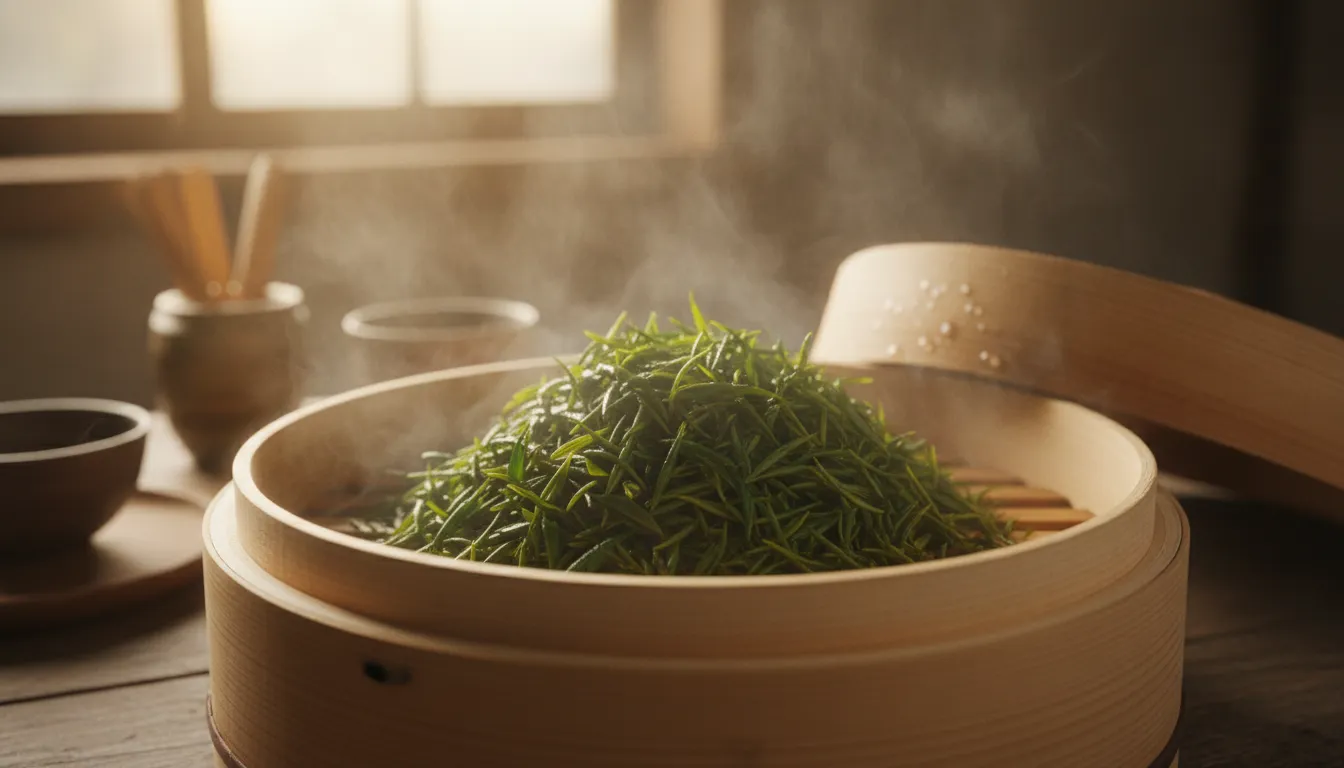
This step helps the leaves release their flavor when they hit the water. This old method helps keep the healthy parts of the tea leaf intact. Green tea like sencha has caffeine and natural plant compounds called polyphenols. These parts work together to give the tea its helpful effects. Sourcing these leaves from family farms in Uji, Kyoto, ensures the tea stays true to its roots.
A profile of fresh and grassy flavors
Sencha is known for its bright and clean taste. Many people describe it as having a "grassy" or "ocean-like" flavor. Some types of sencha can also taste a bit sweet or even like toasted nuts. The flavor changes based on where the tea grows and when it is picked. First-harvest leaves often have the best balance of sweetness and depth.
When tasting Japanese green tea, you can notice how the color of the drink is often a clear, light green. The smell is usually very fresh, like a field of grass after rain. This pure taste is why many tea lovers keep it as a daily drink. It is a great way to enjoy the true spirit of the tea plant without any added items.
The daily standard in Japan
In Japan, sencha is the standard tea for daily life. It is served in homes, offices, and even at formal events. It offers a fair amount of caffeine, usually about 14 to 61 mg per serving. This is less than a cup of coffee but enough to help you stay alert. Because the caffeine release is steady, it does not cause a crash like coffee can.
Choosing the right tea starts with identifying high-quality Sencha from trusted sources. High-grade sencha will have a deep green color and a strong, pleasant scent. Whether you enjoy it hot or cold, it remains a timeless classic that brings a piece of culture into your cup.
What Is Genmaicha? The Nutty Popcorn Tea
Genmaicha is a unique Japanese green tea that stands out from other kinds. It is a blend of green tea leaves and toasted brown rice. The tea base often uses Sencha or Bancha leaves. When people compare genmaicha vs sencha, they notice the biggest change is the rice itself. This mix gives the drink a warm, toasty scent and a nutty taste.
An old folk tea
In the past, Genmaicha was known as the "folk tea" of Japan. People added rice to their tea to make the supply last longer. This made the drink cost less for many families. Today, people love it not for its low cost, but for its rich flavor. Adding toasted rice adds a clear roasted note to the grassy tea base.
The rice used in the blend is called "genmai." It is steamed and then roasted until it turns dark brown. This process creates an earthy, toasty scent that marks the drink. While the rice was once a filler, it is now the star of the show.
The popcorn tea nickname
You might hear people call Genmaicha "popcorn tea." This name comes from the way the rice looks. During the roasting process, some grains of rice pop like corn. These white pieces look like small popcorn flakes mixed with the green tea leaves.
While the popped rice looks fun, it also changes how the tea feels. The rice takes up space and means there are fewer tea leaves in each cup. Because of this, Genmaicha mostly has less caffeine than pure green teas. Research shows that caffeine levels in tea can vary based on how you brew it. Choosing this blend is a great way to get a light boost without a big jolt.
Genmaicha vs Sencha: flavor and blend
The core of the genmaicha vs sencha debate is about how the tea feels in the cup. Sencha is a pure tea known for its bright, grassy, and fresh notes. It offers a clean taste that shows the quality of the soil and the way the leaves were grown. It has a sharp, brisk finish that tea fans love.
Genmaicha offers a very different feel. It moves away from the fresh scent of grass. Instead, the warmth of the toasted rice takes center stage. The toasted grains bring a sweetness that evens out the sharp bite of the tea leaves. It creates a full, round flavor that feels like a meal in a cup. You should follow the right steps for brewing Genmaicha to get the best taste at home.
Studies show that green tea kinds contain parts that give helpful health effects. By blending rice with the leaves, Genmaicha gives you these perks while keeping the caffeine levels low. This makes it a perfect tea for any time of the day.
Genmaicha vs Sencha: Flavor Profile and Ingredients
Choosing between genmaicha vs sencha often comes down to your flavor choice. Sencha is a pure Japanese green tea known for its fresh, grassy, and bright profile. It offers a clean taste that shows the high quality of leaves from local farms. When tasting Japanese green tea, you will notice that sencha provides a sharp vegetal umami that tea fans often seek.
Pure Green Tea vs Toasty Rice Blends
The main difference between these two teas lies in their ingredients. Sencha consists only of steamed and rolled tea leaves. In contrast, genmaicha is a blend of green tea and roasted brown rice. This mix gives genmaicha a warm, nutty sweetness that balances the natural bite of the tea. The roasted rice adds a toasty scent and flavor notes that set it apart from pure green tea types.
Based on sensory tests, genmaicha has a clear grassy and earthy aroma from the roasted brown rice. This blend results in a flavor profile often described as roasted and earthy. For those who find pure green tea too sharp, the nutty sweetness of genmaicha offers a more mellow path. If you are identifying high-quality sencha, you should look for a bright color and a fresh, oceanic scent.
Side-by-Side Flavor Comparison
Each tea brings a unique character to the cup. Sencha is prized for its depth and crisp finish. Genmaicha is loved for its comfort and savory, popcorn-like scent. While both teas contain caffeine and polyphenols that provide antioxidant effects, their sensory impacts are quite different. The table below shows the key differences in their flavor and ingredients.
| Feature. | Sencha. | Genmaicha. |
|---|---|---|
| Main Ingredients. | 100% Steamed Green Tea Leaves. | Green Tea Leaves mixed with Roasted Brown Rice. |
| Primary Flavor. | Fresh, Grassy, Vegetal Umami. | Toasty, Nutty, Sweet, Mellow. |
| Aroma. | Oceanic, Bright, Leafy. | Roasted, Earthy, Savory. |
| Finish. | Crisp and Sharp. | Smooth and Warm. |
| Color. | Clear Yellow to Bright Green. | Light Yellow or Pale Gold. |
Aromatic Differences and Scent
The scent of these teas prepares the tongue for the first sip. Sencha usually has a leafy or oceanic scent that shows its freshness. This comes from the steaming process used in Uji, Kyoto. Genmaicha smells like toasted grain or nuts. The rice is sometimes popped during roasting. This is why some call it popcorn tea. Both teas provide a rich ritual, but sencha stays closer to the raw nature of the tea plant while genmaicha leans into the savory warmth of the rice.
How Does Genmaicha vs Sencha Caffeine Content Compare?
Choosing between genmaicha vs sencha often comes down to when you plan to drink your tea. While both are Japanese green teas, their caffeine levels are very different. Sencha is a pure tea with a moderate caffeine kick. Genmaicha blends tea leaves with roasted rice, which naturally lowers the caffeine in each cup. Knowing these counts helps you enjoy your tea ritual at the right time of day.
The moderate lift in sencha
Sencha is made from pure tea leaves that are steamed and rolled. Because it contains only tea, it has more caffeine than blended types. A typical cup of sencha offers about 40mg of caffeine per serving. This makes it a great choice for a morning boost or a mid-day pick-up. When identifying high-quality Sencha, you can expect a fresh flavor along with this steady energy.
Research shows that the way you brew your tea changes the caffeine you get. A study found that how long you steep the leaves affects the final caffeine levels. Most brewed teas have between 14mg and 61mg of caffeine per cup, as noted by the National Institutes of Health. Since sencha is not shaded, it stays in the middle of this range. It provides enough lift to help you focus without the crash found in coffee.
Why genmaicha is better for evenings
Genmaicha is often called "popcorn tea" because it includes roasted brown rice. This rice takes up space that would otherwise be filled with tea leaves. As a result, the caffeine is diluted. Most cups of genmaicha have only 10mg to 20mg of caffeine. This low level makes it an ideal drink for the late afternoon or evening. You can enjoy the toasty notes of the rice without worrying about staying awake at night.
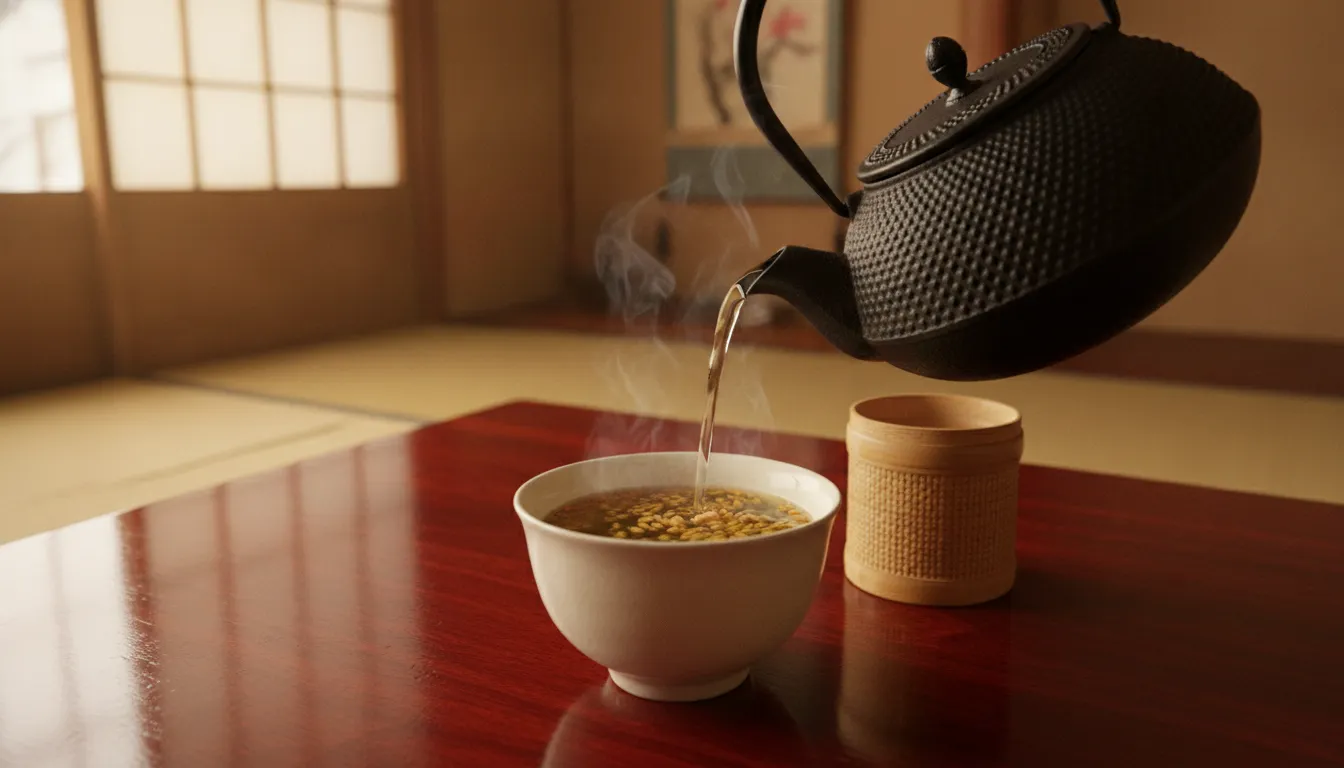
The low caffeine in genmaicha does not mean it lacks flavor. The roasted rice adds an earthy depth that pairs well with food. If you are brewing Genmaicha at home, the low leaf count means you can steep it with less risk of it becoming too bitter. This tea offers a calming ritual that fits perfectly into a winding-down routine after a long day.
Balancing your tea ritual
Deciding which tea to brew depends on your own needs for the day. If you want to feel alert and fresh, sencha is the clear winner. If you want a warm, savory cup before bed, genmaicha is the better pick. Both teas bring the authentic taste of Uji, Kyoto to your home. You can learn more about tasting Japanese green tea to find which profile suits your taste best for every hour of the day.
Brewing Genmaicha and Sencha: Temperature, Ratio, and Time
To enjoy the true taste of Japanese tea, you must brew it with care. Each leaf needs the right heat and time to release its flavor. When looking at genmaicha vs sencha, the way you prepare them changes based on their unique traits. Correct brewing helps you avoid a bitter cup and brings out the sweet, grassy, or nutty notes of the leaf.
Mastering Sencha parameters
Sencha is a delicate green tea. It needs a lower water heat than most black teas to keep its bright flavor. If the water is too hot, it will burn the leaves and create a harsh taste. Use about one teaspoon of leaves for every five to six ounces of water. This identifying high-quality Sencha guide explains how the leaf quality impacts the final brew.
Wait for your water to cool to about 160 to 170 degrees Fahrenheit. Steep the leaves for 60 to 90 seconds. Research shows that brewing steep-time changes the caffeine level in your cup. A short steep keeps the tea light and sweet, while a longer one adds more body.
Preparing a perfect cup of Genmaicha
Genmaicha blends green tea with roasted rice. This mix can handle slightly higher heat than pure Sencha. The toasted rice adds a warm, nutty scent that pairs well with the tea. For the best result, use one and a half teaspoons of the blend for eight ounces of water. You can find more detail in our guide on brewing Genmaicha at home.
Use water that is between 175 and 185 degrees Fahrenheit. Let it steep for two to three minutes. This time allows the rice to soften and release its toasty flavor. The rice also dilutes the tea leaves, so this blend often has less caffeine than a pure cup of Sencha.
Step-by-step brewing guide
Follow these steps to ensure a balanced and flavorful brew every time you prepare your tea. Using the right tools like a traditional Japanese teapot will help the leaves expand fully.
- Measure your leaves. Use one teaspoon for pure Sencha or one and a half teaspoons for the Genmaicha blend.
- Cool your water. Never use boiling water directly on the tea. Pour it into a cup first to let it reach the right heat.
- Pour and steep. Cover the leaves with water and set a timer. Do not stir or shake the pot while it steeps.
- Strain and serve. Pour the tea into your cup until the very last drop. The final drops hold the most flavor and depth.
- Re-steep. High-quality leaves can be brewed a second or third time. Use slightly hotter water for a short time on the next round.
Sencha or Genmaicha: Which Japanese Tea Is Right for You?
Choosing the right tea in the genmaicha vs sencha debate depends on your mood and the time of day. Both teas come from the same plant, but they give you distinct vibes. One is crisp and fresh, while the other is warm and toasty. Knowing these traits helps you pick the best cup for your routine. It also lets you enjoy the old roots of Japanese tea culture.
Matching your flavor profile
If you love the clean taste of a spring field, Sencha is for you. It is a pure green tea known for its grassy and bright flavor. It has a slight bite that feels brisk and keeps you alert. This tea shows off the true taste of the leaf. Many people enjoy identifying high-quality Sencha to find the best mix of sweet and fresh notes. The farmers in Uji, Kyoto take great care to grow these leaves. This ensures that every cup has a deep color and a rich smell.
Genmaicha is unique because it blends tea leaves with roasted brown rice. This mix creates a nutty flavor that feels cozy. The rice adds a sweet, earthy smell that makes the tea taste less bitter. If you find pure green tea too strong, you might like the soft taste of Genmaicha. It is often called popcorn tea because some of the rice pops during roasting. This gives the tea its special look and a warm, bread-like scent. It is a top choice for people who want a tea that feels like a light snack.
Choosing for the time of day
Caffeine levels are a key part of the genmaicha vs sencha choice. Sencha has about 40mg of caffeine in each cup. This makes it a great pick for the morning or a noon lift. Some studies show that green tea with caffeine can help your health and focus. It gives you a steady energy boost that lasts longer than coffee. You can sip it slowly as you start your work to keep your mind sharp.
If it is late in the day, Genmaicha is the better move. It has much less caffeine than Sencha. The roasted rice takes up room in the blend, so there are fewer tea leaves in your cup. When brewing Genmaicha, the result is a low-caffeine drink. This means you can have a cup at night without it keeping you awake. It is a safe way to enjoy a tea ritual at any hour of the night.
Pairing with food and snacks
Both teas go well with food, but they fit distinct meals. Sencha has a sharp taste that cuts through rich or salty foods. It is the best choice for sushi, fish, or fried treats. The grassy notes clean your mouth and make each bite taste better. It also pairs well with light fruits or tart treats. Many people like to drink it after a heavy lunch to feel fresh.
Genmaicha is better with simple, salty snacks. Its toasty notes go great with rice crackers, nuts, or even dark chocolate. Because it is so mellow, it does not hide the food's flavor. Many people in Japan drink it as an easy tea during or after a big meal. It is a great way to end the day on a calm note. Whether you want a sharp morning start or a warm night rest, you can find the right tea to suit your day.
Frequently Asked Questions
How does the caffeine content compare between Genmaicha and Sencha?
Sencha usually contains a medium amount of caffeine at about 40mg per serving. In contrast, Genmaicha has much lower caffeine levels, often as little as 10mg. This is because the roasted brown rice in the mix reduces the total amount of tea leaves used. According to Nio Teas, this makes Genmaicha a better choice for those who want to avoid a strong buzz.
Which tea is better for beginners, Sencha or Genmaicha?
Both teas are great choices, but they offer very different tastes. Sencha provides a classic green tea flavor that is fresh and grassy. Genmaicha is often easier for new tea drinkers to enjoy due to its warm and toasty notes from the roasted rice. If you prefer a savory taste like roasted grains, start with Genmaicha. If you want a bright and crisp profile, Sencha is the best pick.
Can I drink Genmaicha tea at night?
You can enjoy Genmaicha in the evening due to its low caffeine content. The roasted brown rice blend lowers the caffeine level compared to pure green teas like Sencha. While it still contains some caffeine, many people find it mild enough to drink after dinner without losing sleep. If you are very sensitive to caffeine, you might still choose to drink it earlier in the day to be safe.
What is the main difference in flavor between Genmaicha and Sencha?
The main difference lies in what is in the tea and how it is made. Sencha is made from pure green tea leaves, resulting in a bright and grassy flavor. Genmaicha mixes green tea leaves with roasted brown rice, which adds a toasty and nutty smell. Research shows that this blend creates a flavor that experts describe as bitter and earthy, giving it a more savory taste than standard green tea.
Ready to find your perfect Japanese green tea?
If you wait to pick your tea, you will miss the deep flavors from our farm. By starting now, you will soon get a daily ritual that brings calm and focus. Every day without a choice is a day spent with plain, basic drinks.
Ready to explore SORATE's premium green teas and find your perfect brew? You can contact us to get your real Japanese tea or talk to a tea expert to find which blend fits your taste. We are here to help you find the right drink for your needs. Our team can help you feel good with every cup you brew at home or in your office. We want to make sure you enjoy the best of Kyoto every single day of the week.


