


How do you taste Japanese green tea?
A focused tea tasting turns a simple cup into a deep study of flavor and craft. You learn to see the small shifts in color and smell that mark a fine leaf. By slowing down, you can find the balance of savory and sweet notes that define Japanese green tea. This process is not about being an expert. It is about paying attention to the tea in your cup.
Explore Sorate's Japanese green teas and choose leaves for your first tasting.
To taste Japanese green tea, examine the dry leaves, smell the warmed and wet leaves, observe the liquor, then sip slowly to assess flavor, mouthfeel, balance, and finish. Brew every tea with the same measured variables so differences in the cup reflect the leaves rather than the method.
Learning how to taste helps you find the teas you love most. It lets you compare different styles with a fair eye. Whether you sip ceremonial matcha or a brisk Sencha, the same steps apply. You observe, you sense, and you record what you find. This ritual connects you to the farm and the hands that made the tea.
This guide offers a full path to master the art of tasting. You will learn how to set up your space and how to use your senses. We will walk through each stage of the brew. By the end, you will have a new way to enjoy your daily tea.
Observe with a clear mind
Start each session by clearing your mind of what you expect. Do not look for a specific flavor right away. Let the tea show itself to you through its scent and look. Each leaf has a story of soil, sun, and rain from its home in Uji, Kyoto. When you look closely, you start to see that story.
Judge fairly with one method
To compare teas well, you must brew them the same way. Use the same weight of leaf and the same water heat. If you change your method for each cup, you cannot know if the tea is different or if your brew is. Use a steady plan to keep your results clean and clear.
What should you notice during tea tasting?
A complete sensory observation considers the dry leaf, wet leaf, liquor color, aroma, flavor, mouthfeel, balance, and finish. Evaluating these qualities in the same order gives you a repeatable framework and makes it easier to compare Japanese green teas fairly.
Tasting tea uses all your senses to build a full picture. You do not just use your tongue. Your eyes and nose give you clues before the first sip. This deep focus makes the ritual more than just drinking. It becomes an act of learning and discovery.
Visual clues from the leaf
Look at the dry leaves under a soft, natural light. Fine Japanese teas often look like deep green needles. They should have a slight shine and a deep color. Dull or brown leaves may mean the tea is old or was not stored well. The shape tells you how the tea was rolled and dried.
Once you add water, watch the leaves open and change. Some will unfurl slowly, while others stay tight. The color of the liquor is also a key sign. A Sencha might be a pale gold-green, while a deep-steamed Fukamushi Sencha will be a thick, vibrant green. These visual notes help you group teas by their style.
The scent of the brew
Aroma is a large part of what we call taste. Smell the dry leaves to get a first sense of the tea. Then, smell the wet leaves after you pour the water. The heat will release new layers of scent that were hidden before. You might find notes of fresh grass, toasted rice, or sweet flowers.
Inhale gently and let the scent fill your nose. Do not rush to name a fruit or a spice. Just notice if the smell is light or heavy, sweet or sharp. Many premium teas from Sorate show a complex aroma that changes as the tea cools down. This change is a sign of a well-made leaf.
Texture and mouthfeel
The physical feel of the tea in your mouth is just as important as the flavor. Some teas feel thin and crisp, like clear water. Others feel thick and rich, almost like cream. This is what we call mouthfeel or body. It tells you about the oils and minerals in the tea.
Take a small sip and let it move across your whole tongue. Notice if it feels smooth or if it leaves a dry grip on your cheeks. That grip is called astringency. It is common in many green teas and can be a good thing if it is in balance. A tea with good mouthfeel will feel full and satisfying.
Setting the Stage for a Tasting Session
Where and how you taste matters. A loud or busy room can distract your senses. To get the most from your tea, you need a calm space and the right tools. This preparation shows respect for the tea and helps you focus on the subtle notes.
Selecting the right water
Water is the most common part of your tea, so its quality is key. Use fresh water that has a low mineral count. Hard water with too many minerals can mask the delicate flavors of green tea. It can make the tea taste flat or metallic. Filtered water is often the best choice for home tasting.
Never use water that has sat in your kettle for a long time. Boil fresh water each time you start. This ensures there is enough air in the water to help release the tea's aroma. The goal is to let the tea shine without any interference from the water itself.
Choosing your tea ware
The shape and material of your cup can change how you taste. For a formal tasting, use cups with a white or pale interior. This lets you see the true color of the liquor. A thin-rimmed cup often feels more elegant and lets the tea flow smoothly onto your tongue.
You may also want to use a small teapot, such as a Kyusu. These pots are made for Japanese tea and allow the leaves to move freely. Proper tea accessories make it easier to brew with care. When your tools work well, you can focus on the tea instead of the process.
Creating a calm space
Try to taste tea in a place with no strong smells. Scented candles or cooking odors can confuse your nose. Natural light is best for seeing the color of the leaves and the brew. A quiet room helps you listen to your own senses without any outside noise.
Take a few deep breaths before you start. Clear your palate by sipping some plain, room-temperature water. This reset ensures that your last meal does not affect your tasting notes. A calm mind and a clean palate are your best tools for a successful session.
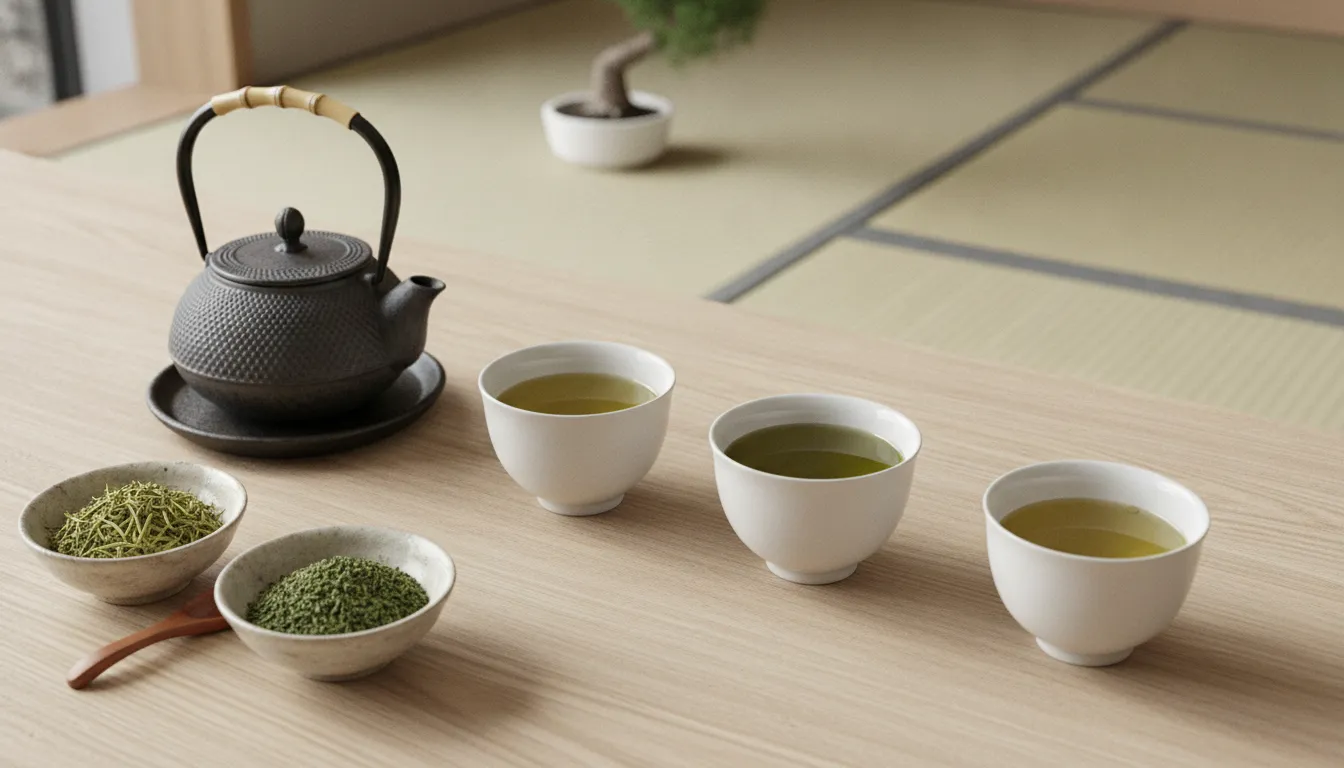
What is the step-by-step tea tasting sequence?
A reliable tea tasting sequence moves from dry leaf to wet leaf, then to the brewed liquor. Observe appearance and aroma first, sip for flavor and texture, notice the finish, and record your impressions before adjusting the brew. Repeat the same sequence for every tea.
- Examine and smell the dry leaves.
- Brew with measured leaf, water, temperature, and time.
- Smell and observe the wet leaves.
- Inspect the liquor's color and clarity.
- Sip for flavor, mouthfeel, balance, and finish.
- Record your notes before the next infusion.
To get a full sense of the tea, follow a set path. This sequence ensures you do not miss any part of the experience. By repeating these steps, you build a habit that makes each tasting more productive and enjoyable.
Examine the dry leaves
Start by placing a small amount of dry leaves on a white plate or a piece of paper. Look at their color, size, and shape. Are they uniform or mixed? High-quality Japanese green tea usually consists of fine, needle-like leaves. Note any shine or fuzz on the surface.
Bring the leaves close to your nose and inhale deeply. This dry aroma is your first hint of the tea's character. It is often more subtle than the wet aroma. Record any words that come to mind, like "sweet hay" or "marine air." This stage sets the tone for the rest of the tasting.
Sense the wet leaves
After you brew the tea, do not discard the leaves right away. Smell the damp leaves inside the teapot or on the lid. This is where you will find the most intense aromas. The heat of the water has unlocked the volatile oils within the leaf.
Look at how the leaves have changed. They should look bright and fresh. If they look brown or mushy, they may have been over-steeped or the water was too hot. The wet leaves can tell you a lot about the health and age of the tea. This middle step bridges the gap between the dry leaf and the liquid tea.
Sip and savor the tea
Pour a small amount of tea into your cup. Let it cool for a moment so you do not burn your tongue. Take a small sip and draw some air into your mouth at the same time. This action helps spread the tea across all your taste buds and carries the aroma to your nose.
Hold the tea in your mouth for a few seconds before you swallow. Notice the first taste, the middle feel, and the final finish. Does the flavor stay the same, or does it change? A long finish that leaves a sweet or savory note is a sign of high quality. This final step is where all your observations come together.
Building a Sensory Vocabulary
To talk about tea, you need the right words. Having a set of terms helps you record your notes and share them with others. You do not need a large list of complex words. Start with simple terms that describe what you feel and taste.
Understanding umami
Umami is a key trait of Japanese green tea. It is often described as a savory or brothy taste. It is what gives the tea its richness and depth. Many people compare it to the taste of seaweed, mushrooms, or soup. This flavor comes from amino acids like L-theanine.
Research shows that L-theanine contributes to both the flavor and the relaxing effects of tea. You can find more about this in studies on theanine and stress. When you taste umami, notice if it feels heavy or light. It is a hallmark of premium teas like Gyokuro and high-grade matcha.
Balancing astringency
Astringency is the drying feel you get in your mouth. It is caused by tannins in the tea leaves. While too much can be harsh, a little bit adds structure and life to the cup. It cleans the palate and prepares you for the next sip. This is different from bitterness, which is a taste, not a feeling.
Think of astringency like the snap of a fresh apple. It should feel brisk and clean. If it makes your mouth pucker too much, you may need to use cooler water or a shorter steeping time. Finding the right balance of astringency is part of the art of brewing and tasting.
Notes of the sea
Many Japanese teas have a distinct marine or oceanic character. You might notice scents that remind you of seaweed, sea spray, or toasted nori. This is because many tea farms are near the coast or use specific steaming methods. These notes are unique to Japanese styles and are highly prized.
When you find these marine notes, ask if they are salty, sweet, or earthy. They often pair well with the umami depth of the tea. This connection to the sea is a part of the tea's identity. It reminds us of the natural environment where the tea was grown and processed.
Choose a Sorate tea set to make your next tea tasting easy to prepare.
Comparing Japanese Green Tea Varieties
To learn the range of Japanese tea, you must compare different styles. Each type has its own look, scent, and taste. By tasting them side by side, you can see how the growing and drying methods change the final cup. This comparison is the best way to train your palate.
| Tea Style | Appearance | Primary Flavor |
|---|---|---|
| Sencha | Gold-green liquor | Fresh grass, sweet |
| Gyokuro | Deep green liquor | Rich umami, brothy |
| Genmaicha | Pale yellow liquor | Toasted rice, nutty |
| Hojicha | Red-brown liquor | Roasted, cocoa |
Sencha and Gyokuro
Sencha is the most common tea in Japan. It is grown in full sun and has a bright, grassy taste. It is crisp and refreshing. Gyokuro, on the other hand, is shaded for several weeks before harvest. This process boosts its umami and gives it a much richer, thicker feel. Tasting them together shows the impact of sunlight on the leaf.
When you taste Sencha, look for a clean finish and a brisk feel. With Gyokuro, look for a deep savory note that lingers in the throat. Both are excellent but serve different moods. You can find both in gift sets that allow for easy comparison. These teas represent the heart of Japanese tea culture.
Genmaicha and Hojicha
These teas are very different from the green styles. Genmaicha is Sencha mixed with toasted rice. It has a warm, nutty aroma that many find comforting. Hojicha is made by roasting the leaves and stems. This turns them brown and gives the tea a taste like cocoa or toasted nuts. It also lowers the caffeine levels.
Genmaicha is often a great choice for a meal. Hojicha is perfect for late in the day because it is gentle on the body. Neither has the strong umami of Gyokuro. Instead, they offer warmth and earthiness. Comparing them helps you see how adding heat or other ingredients can change the tea's profile.
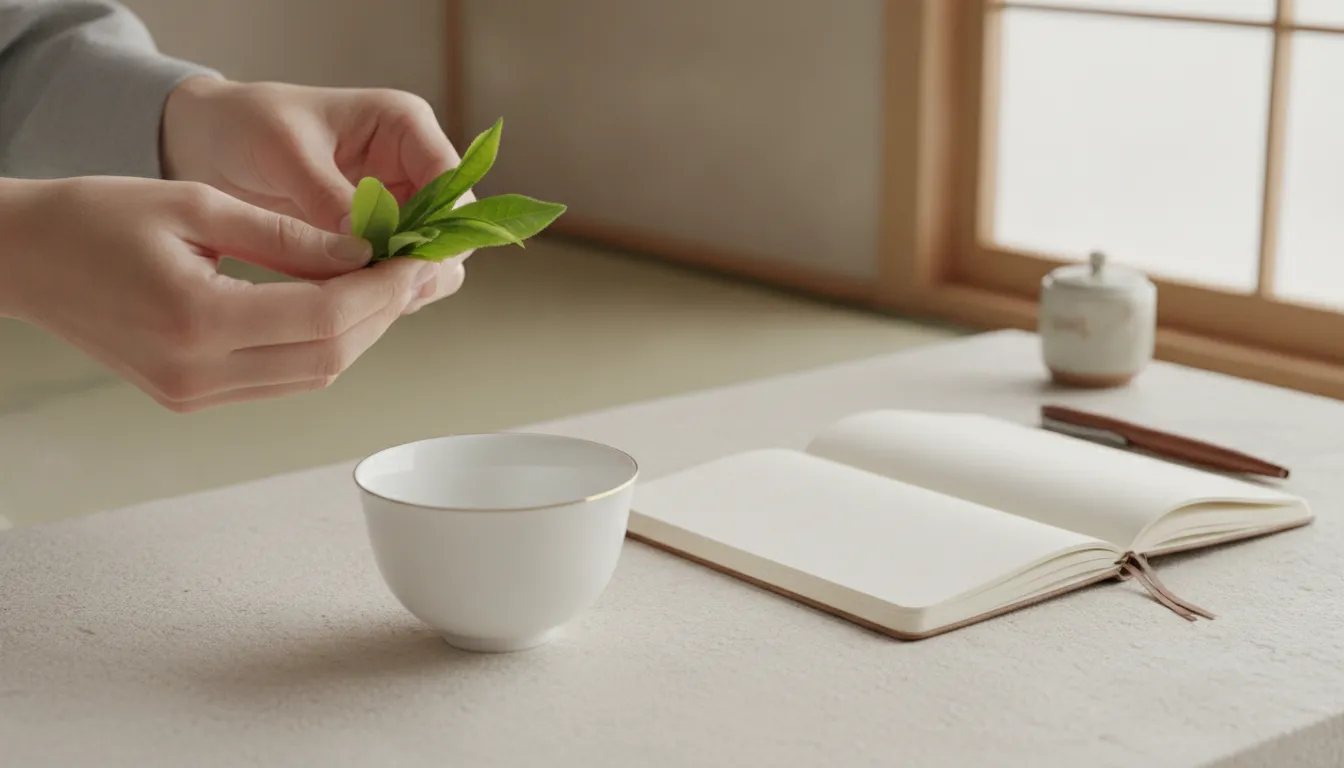
How can you troubleshoot your brew?
When Japanese green tea tastes bitter, weak, or flat, change only one brewing variable at a time. Lower the water temperature or shorten the steep for bitterness. Add more leaves or extend the steep for weakness. Recording each adjustment helps you find a balanced preparation.
- Too bitter: use cooler water or a shorter steep.
- Too weak: add more leaves or extend the steep slightly.
- Flat aroma: use fresh filtered water and properly stored leaves.
- Uneven result: measure leaf, water, temperature, and time.
If a tea does not taste right, it is usually because of how it was brewed. Japanese green tea is delicate and reacts quickly to heat and time. Learning how to fix these errors is a key part of becoming a better taster. Small changes can make a big difference in your cup.
Dealing with bitterness
The most common complaint is that the tea is too bitter. This usually happens when the water is too hot. High heat draws out the tannins too quickly. Try lowering the temperature of your water. For most Japanese green teas, a temperature between 160 and 175 degrees Fahrenheit is best.
You can also try a shorter steeping time. Even thirty seconds too long can turn a sweet cup into a bitter one. If the tea is still too sharp, use more water or fewer leaves. By changing one variable at a time, you can find the sweet spot for that specific leaf. Patience is a key part of the process.
Improving a weak cup
If your tea tastes thin or like plain water, you may need more leaves. A common rule is to use about one gram of tea for every two ounces of water. You can also try a slightly longer steeping time. Just be careful not to go too far and create bitterness.
Make sure your leaves have enough room to open. If they are cramped in a small strainer, the water cannot reach all the surfaces. A Kyusu or a large teapot is often better for this reason. A weak cup can also come from old leaves that have lost their oils. Always check the age of your tea before brewing.
The role of water heat
Heat is the most powerful tool you have. It decides which flavors are pulled from the leaf. Lower heat pulls out the sweet and savory notes. Higher heat pulls out the bold and bitter notes. Understanding this lets you "tune" your tea to your own taste.
Use a kettle with a thermometer to be precise. If you do not have one, let the boiling water sit for a few minutes before you pour it. Pouring the water into a separate cup first can also help cool it down. This control is what separates a casual drinker from a true tea enthusiast.
Start a Tea Tasting Journal
Keeping a record of your sessions is the best way to learn. It lets you see patterns over time and remember which teas you enjoyed. A journal turns a passing moment into a lasting lesson. It does not need to be fancy; a simple notebook will do.
Recording your sessions
For each tea, write down the name, the source, and the date. Note the amount of tea and water you used. Record the water heat and the steeping time. Then, write your notes on the look, smell, and taste of the cup. Be honest about what you find.
Over time, you will start to see which regions or styles you prefer. You might find that you love teas from a specific farm in Uji. This data helps you make better choices when you buy your next batch of tea. It makes your hobby more focused and rewarding.
Making it a ritual
Try to journal at the same time each day or week. This consistency helps train your palate. When you make it a ritual, you signal to your brain that it is time to focus and listen. It becomes a form of meditation that honors the craft of the tea maker.
You can share your notes with friends or other tea lovers. This conversation can help you find new words and ideas. A journal is a tool for growth, not a test. It is a place to be curious and to celebrate the quiet joy of a good cup of tea.
Frequently Asked Questions
What is the most important part of tea tasting?
The most important part is consistency. If you use the same method each time, you can truly see the differences in the leaves. Preparation is the foundation of a fair comparison. Without it, you are just guessing at what you taste.
How many teas should I taste at once?
For a beginner, two or three teas is a good number. This gives you enough contrast without tiring your palate. If you taste too many, your senses can become dull. Take your time and enjoy each one fully before moving on.
Do I need expensive tools to taste tea?
No, you do not need costly gear. A simple white cup and a way to heat water are enough to start. While nice tea accessories can help, the most valuable tool is your own attention. Focus on the tea, not the tools.
Should I eat before a tea tasting?
It is best to taste tea on a relatively clean palate. A heavy or spicy meal can mask the subtle notes of the tea. Try to wait an hour after eating before you start. Sip some plain water to reset your mouth and prepare for the session.
Experience Authentic Tea from Uji
Tea tasting is a journey into the heart of Japanese tradition. It is a way to slow down and appreciate the simple beauty of nature. Each cup is an invitation to learn more about the world and yourself. By following these steps, you can turn every sip into a meaningful experience.
At Sorate, we are proud to share the finest teas from our family farm. We invite you to explore our collection and start your own tasting ritual. Whether you are a new drinker or a seasoned expert, there is always something new to discover. You can read more about us and our passion for authentic tea.
Order your Japanese green tea from Sorate today and begin your path to master the art of tasting.


