


Uji matcha is a finely ground green tea shaped by the historic tea culture of Uji, Kyoto. Farmers shade the tea plants before harvest, then process the leaves into tencha and grind them into a fine powder. The place matters, but the care taken at each stage matters too. According to Sorate's Uji farm story, the region's tea tradition is rooted in patient work passed between generations. In the bowl, the finished tea can show vivid color, a smooth texture, savory depth, and a measured astringency. Each batch still varies by cultivar, harvest, maker, storage, and preparation. Uji matcha is distinctive not because one label guarantees perfection, but because place, craft, and ritual meet in every serving.
Uji matcha begins with a place, but its distinction is revealed through patient cultivation, careful processing, and the quiet ritual of preparing a bowl. From shaded tea fields in Kyoto to finely milled tencha, each choice shapes its aroma, texture, color, and balance.
Explore Sorate's Uji-sourced matcha collection.
What is Uji matcha?
Uji matcha is a finely ground green tea connected to the historic tea culture of the Uji region in Kyoto, Japan. Its identity comes from more than a name on a tin. Local knowledge, farming choices, tencha processing, grinding, storage, and preparation all shape the bowl. Matcha is made in several parts of Japan, and each maker's tea can express a different balance of aroma, umami, sweetness, and astringency.
The historic birthplace of green tea
Uji is known as the birthplace of Japanese green tea. In the 12th century, monks brought the first tea seeds from China to this part of Japan. They found that the land near the Uji River was a perfect fit for the plants. The river creates a thick mist that keeps the air moist and cool. This mist protects the leaves from frost and harsh sun. These factors help create a distinctive Uji tradition of tea that is hard to find anywhere else.
The local land is vital for the tea's unique flavor. Sloping hills and rich soil give the plants what they need to thrive. Classic farms in the region focus on slow growth to build more flavor in every leaf. This long-term care is a key part of the craft. It ensures that the final product has the bright color and rich taste that tea lovers expect from a top brand.
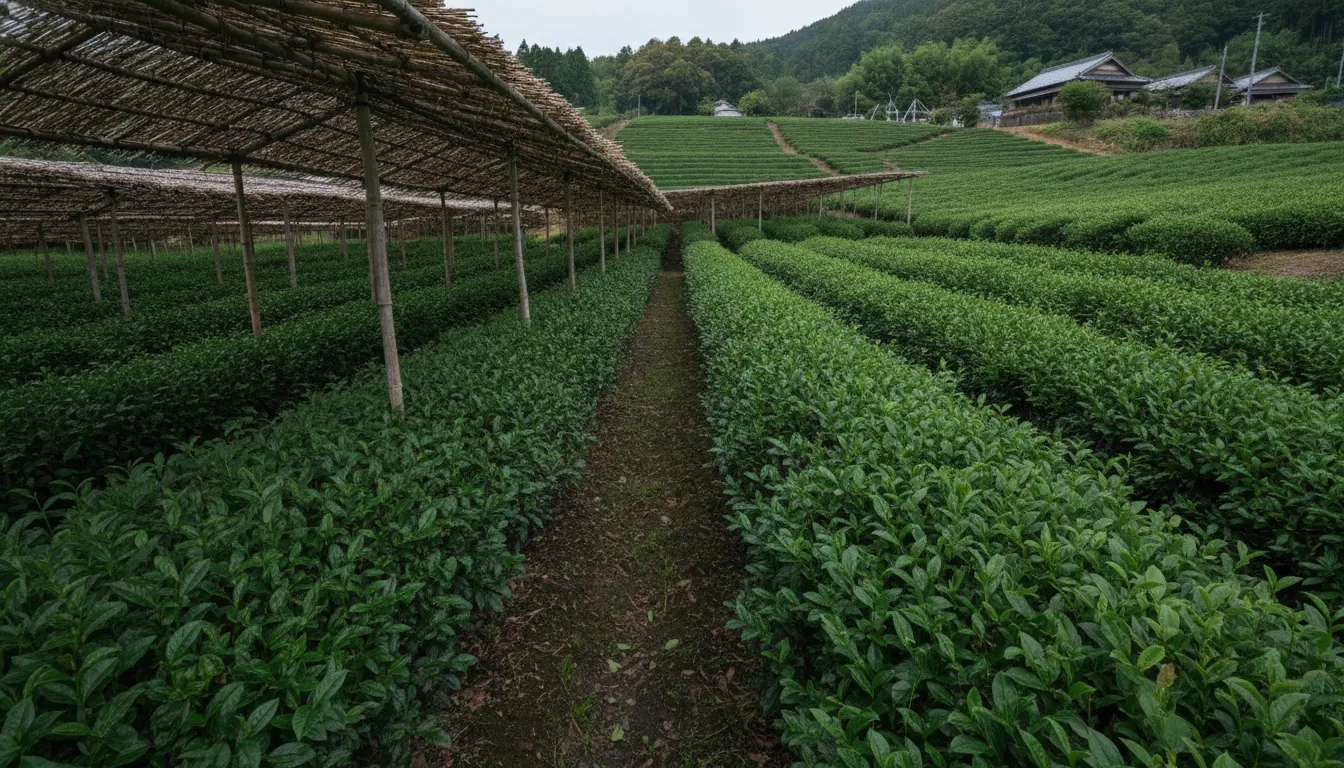
Shading and the Uji method
One of the key steps in making Uji matcha is shade-growing. About three to four weeks before harvest, farmers cover the tea fields with straw mats or black nets. This blocks most of the sunlight. By limiting light, the plant produces more chlorophyll and amino acids. This shading process results in a deep green leaf that is full of flavor. The key part is L-theanine, which gives the tea its sweet and savory "umami" taste.
After the harvest, the leaves go through a careful set of steps to become matcha. They are steamed to stop oxidation and then dried. Once dry, the leaves are known as tencha. The final step is to grind the tencha into a fine powder using stone mills. These stones turn slowly to keep the tea cool. If the tea gets too hot, it loses its bright color and fresh smell. This slow, stone-ground method is a big part of what makes authentic Uji-grown matcha so special.
Why Uji origin matters
The name "Uji" points to a place with a deep and living tea tradition. Many farms preserve knowledge through generations, while each producer makes choices that shape the finished tea. Origin is useful context, not a guarantee by itself. A thoughtful buyer also considers the maker, intended use, freshness, storage, aroma, texture, and flavor balance.
- Historic Terroir: The Uji River mist and local soil create a flavor profile that is unique to Kyoto.
- Classic Craft: Farmers use the "Uji method" of shade-growing and stone-milling to preserve quality.
- Grade and Purity: Only the youngest leaves are used for the best grades of tea.
- Cultural Value: Uji tea is the standard for the Japanese tea ceremony, known as Chado.
Why place matters in Uji matcha
The region of Uji, Kyoto, holds a special place in the history of tea. Known as the distinctive Uji tradition, this area is where the Japanese green tea ritual first began. The land here provides more than just a place to grow plants. It offers a unique mix of soil and climate that gives authentic Uji-grown matcha its rich flavor and deep green color.
The heart of Japanese tea
Uji is known as the birthplace of Japanese green tea manufacturing. For many years, farmers in this part of Kyoto have worked to improve the art of growing tea. This long history has created a deep pool of local skill. Every step of the process, from planting to harvest, relies on ways passed down through many family lines.
The local conditions in Uji and Ujitawara-cho are great for premium tea. The river mist and hilly land create a natural home that helps the leaves grow slowly. This slow growth is key to building the complex taste of the tea. It is not just about the plants, but about how the land and the people work as one.
A bond with family farms
At the core of the Uji story is the bond between the farmer and the land. Sorate works with a family farm to bring this tradition to you. This direct sourcing model ensures that every batch of tea respects the old ways. By working with local families, we can share the true spirit of Uji with tea lovers everywhere.
The craft of Uji matcha stays alive because of these deep bonds. New machines can do a lot, but they cannot replace the patience of a master farmer. In Uji, the focus stays on quality over speed. This careful work is what makes superior Uji matcha quality stand out from mass-made teas.
The science of the shade
One of the most vital parts of the Uji method is shading the tea plants before harvest. This step changes how the leaves grow and what they hold. Research shows that shading enhances chlorophyll content in the leaves. This is why high-quality matcha has such a bright green color.
Shading also changes the chemical mix of the leaf. It helps the plant create more compounds like theanine and caffeine. These parts are what give the tea its calm feel and smooth taste. By using these traditional shading practices, Uji farmers keep up a standard that has lasted for many years.
How is Uji matcha cultivated and processed?
The craft of making Uji matcha is a slow, careful art. This area is the distinctive Uji tradition birthplace of green tea in Japan. Farmers here use skills passed down through many years. These steps change a plain leaf into a bright green powder. Each part of the work helps create the deep taste and smooth feel of the tea.
Growing in the shade
The work starts in the fields weeks before the spring pick. Farmers cover the plants to block the sun. This shading step is key for high quality matcha. The shade covers can be made of straw or modern nets. By blocking most of the sun, the plant works harder to grow. This effort changes the mix of amino acids inside the leaf. It leads to a rich umami flavor that you can only find in well-grown tea.
When plants get less light, they make more chlorophyll. This gives the leaves a dark, rich green hue. It also changes the way the leaf grows. Shading builds up theanine, which adds a sweet taste. Without this shade, the tea would taste too sharp. Uji farmers take great pride in this step. They know it makes the tea better than mass-grown brands.
From leaf to powder
Making Uji matcha needs several clear steps to keep the leaves fresh. Unlike other teas, these leaves are steamed but not rolled. This keeps the leaf flat and saves its bright look. Once the leaves dry, they become "tencha." This is the base for the best tea. Workers then sort the tencha to find the top parts. They remove all stems and veins so only the soft leaf stays.
- Shading the plants: About three to four weeks before pick, farmers cover the tea shrubs with screens. This shade changes the plant life to boost color and sweetness.
- Picking the leaves: Workers pick the young, soft leaves by hand in early spring. This first pick gives the best taste for superior Uji matcha quality tea.
- Steam and cool: The fresh leaves go through a quick steam bath. This stops the leaves from turning brown and locks in the fresh scent and green tone.
- Dry into tencha: Large fans blow air to dry the leaves without breaking them. Once dry, workers remove the stems and veins to leave only the pure leaf bits.
- Stone grind: Big granite stones grind the bits into a fine dust. This slow work keeps the tea cool and ensures a silky feel in every cup.
The stone-grind part takes a lot of time. One stone may take a full hour to grind just one small jar of powder. If the stones move too fast, they get hot. Heat can ruin the smell and flavor of the tea. This slow work is why Uji matcha feels so smooth in your mouth. By following these old ways, Uji stays the top place for tea.
What are the characteristics of Uji matcha?
Uji matcha has fame as the best green tea in the world. The mist and soil of the Uji region create a special home for the tea plants. This rich land gives the leaves a deep taste and smell that other areas cannot match. When you drink it, you can notice a few clear traits that set it apart.
A bright green hue
The first thing you see is the color. Real Uji matcha is a very bright, bold green. This color comes from a special way of growing the plants under shade. Shading the tea plants for weeks before picking helps them make more chlorophyll. This process gives the leaves their rich green look and changes the makeup of the tea. According to research on tea leaves, these shaded ways are key to the plant's health gains.
Sweet and rich flavor
The taste of Uji matcha is famous for its balance. It has a strong umami flavor, which is rich and deep like a broth. This comes from high levels of an amino acid called theanine. The shade-grown way stops theanine from turning into bitter traits. Because of this, you get a real sweetness that stays on your tongue. High-grade tea should not taste very bitter or sharp. Instead, it should feel soft and full in your mouth. To find the best tea, you can look for superior Uji matcha quality in your local shops or online.
Fine stone-ground texture
The feel of the powder is another key trait. Real Uji tea is ground with large stones. This method is slow but keeps the tea cool so the flavor stays fresh. The result is a powder so fine it feels like silk or flour. When you whisk it with water, it makes a thick, creamy foam with tiny bubbles. This foam helps the tea feel smooth as you sip it. The distinctive Uji tradition of stone-grinding is a craft that has lasted for hundreds of years.
How to test your tea
You can test these traits at home with a few simple steps. First, look at the color in plain light. It should look like fresh grass, not yellow or brown. Next, smell the dry powder. It should have a sweet, nutty, or grassy scent. Finally, whisk it with hot water that is about 176 degrees Fahrenheit. If the tea is from Uji, the foam will be stable and the taste will be smooth. Cheap tea often feels gritty or tastes like hay. This shows it was not made with the same care as real Uji matcha.
Ceremonial and culinary matcha serve different rituals
Matcha is a green tea powder that comes from shaded leaves. While it may look the same, there are two main types to know. These are ceremonial and culinary grades. These terms are not fixed rules from the law. Instead, they act as a guide for how to use the powder. When you look for superior Uji matcha quality, the grade helps you pick the right taste. Uji matcha is famous for its past and deep roots in Japan. Choosing the right one makes your tea ritual better.
Intended use and flavor
The two grades have very other roles in the kitchen. Ceremonial grade is for drinking with hot water alone. It is the star of the tea rite from Japan. This grade has a soft, sweet, and smooth flavor. It should feel creamy on your tongue. Because the taste is so mild, you do not need to add milk or sugar. This grade is best for a quiet moment of focus.
Culinary grade is for mixing with other things. It is made for lattes, shakes, and baking. This powder has a bold and sharp flavor. This strong taste is a good thing for cooking. It makes sure you can still taste the tea when you mix it with milk or flour. If you used a soft ceremonial grade in a cake, the tea flavor might get lost. This grade gives your food a bright green color and a strong taste.
| Feature. | Ceremonial style. | Culinary style. |
|---|---|---|
| Main use. | Whisked with water. | Lattes and recipes. |
| Flavor aim. | Balanced for sipping. | Bold enough for mixing. |
| Buying focus. | Aroma, texture, balance. | Flavor suited to recipe. |
Harvest time and leaf quality
The grade of the tea starts with when the leaves are picked. Farmers pick ceremonial leaves in the early spring. These young, tender leaves grow in the shade to boost sweetness. The shade helps the plant make more chlorophyll. This gives the tea its famous color. A report on matcha grades shows that harvest time is a key factor in the final grade.
Culinary leaves are picked later in the year. These leaves stay on the plant longer and get more sun. This causes them to have more tannins. Tannins make the tea taste more bitter. But these leaves are still a great way to enjoy authentic Uji-grown matcha. No matter the grade, the tea must be grown and milled with care. This process keeps the leaf parts safe.
Choosing the right powder
Buying the right grade depends on your goal. If you want to sit and enjoy a quiet bowl of tea, buy ceremonial grade. It is the best way to taste the craft of the farmer. It costs more because it takes more work to make. Each leaf is checked for its color and size. This grade shows the highest level of tea art in Japan.
If you like matcha lattes every morning, culinary grade is the best choice. It is a good price for daily use. It also works well in recipes like cookies or ice cream. The key is to find a brand that sources straight from a farm in Japan. This ensures you get fresh powder that has not sat on a shelf for too long. Knowing the grade helps you get the most out of every scoop.
How to choose Uji matcha with care
Verify the exact source
When you buy tea, the first thing to check is the exact source of the leaves. True Uji matcha comes from the Uji area in Kyoto. This place has the right soil and sky for high grade tea. Look for a brand that is open about the specific farms where their tea grows. A good shop will tell you about the family farms they use. This care helps keep the distinctive Uji tradition alive for future tea fans.
Avoid labels that only say "Product of Japan" on the back of the tin. Instead, look for facts about the specific town or field where the plants grew. For example, some tea grows in Ujitawara-cho, which is a famous spot for green tea. When a brand shares these facts, it shows they value the slow craft. This depth of info helps you find a product that is both fresh and real.
Look for bright green color
The look of the powder tells you a lot about how the tea was grown and processed. High grade matcha should be a bright, bold green. This color comes from shading the tea plants for weeks before the pick. Shading the plants helps them make more chlorophyll, which leads to the rich green hue and specific compound profiles in the leaves.
If the powder looks dull, yellow, or brown, it may be old or poorly made by the maker. Fresh tea should also have a sweet, grassy smell that hits you when you open it. This smell is a sign that the tea was stone-ground with care in a cool room. Stone-grinding is a slow way to work that helps keep the fine feel of the powder.
Pick the right grade for your ritual
It is also key to know how you plan to use the tea in your daily life. Matcha usually comes in two main types, which are ceremonial and culinary. Ceremonial grade is for drinking on its own with just hot water. It uses the youngest tea leaves and has a light, sweet taste. Choosing a superior Uji matcha quality ensures your daily tea ritual is calm and smooth.
Culinary grade is better for baking or making lattes with milk and sugar. It has a bold, more sharp flavor that stands up well to other things like flour. While it is still real tea, it uses leaves that are picked later in the year. Knowing these grades helps you spend your money well on the right tea for your needs.
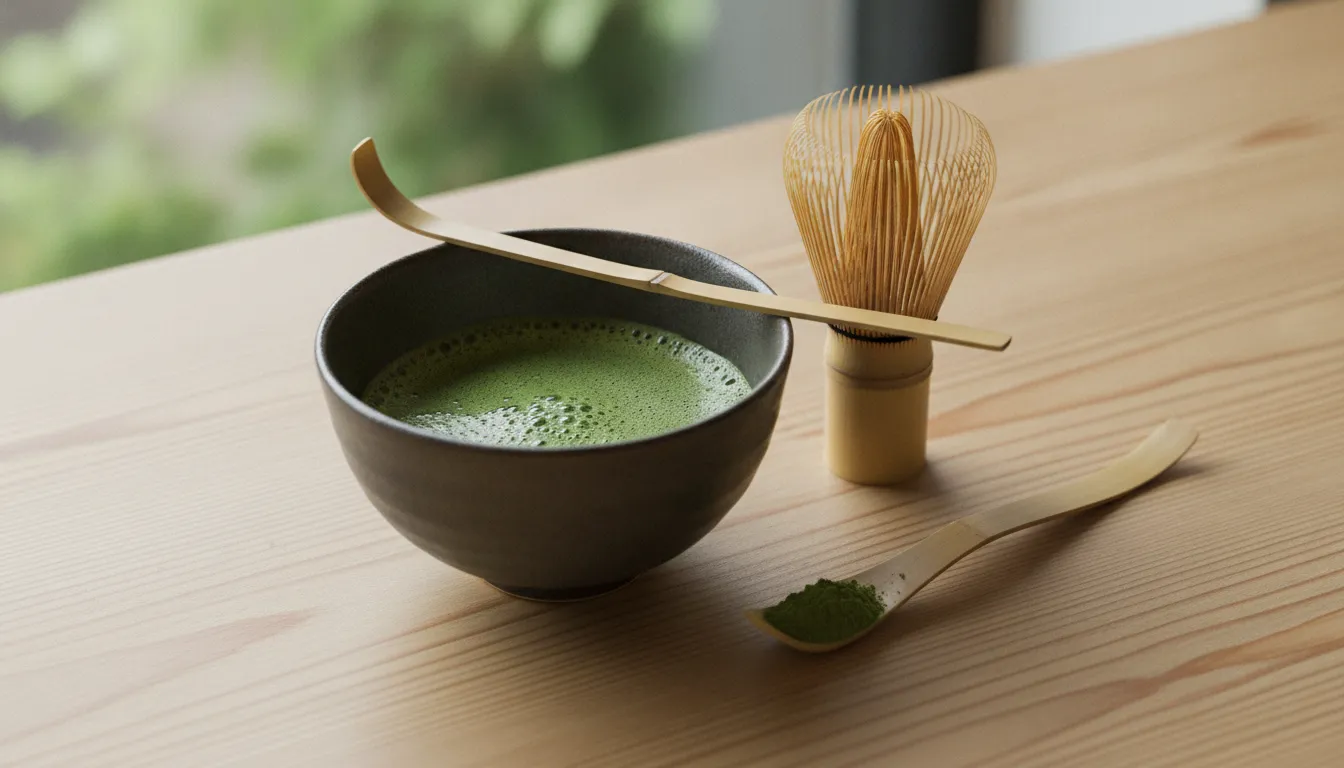
Preparing Uji matcha as a daily ritual
Making a bowl of tea is more than a quick task. It is a slow, calm act that starts with the right tools. When you use Uji matcha, you join a long story of craft. This daily habit helps you pause and find focus in a busy world. Each step has a goal that brings out the best in the tea leaves. It is a way to honor the work that goes into every tin.
Setting the stage for tea
The ritual starts with the powder and the water. Sifting your tea is a key step that many people skip. Use a fine sieve to press the powder into a bowl. This breaks up small clumps and makes the tea smooth. A sifted powder will mix better with water and create a thick foam. This step also lets you see the bright green color of the tea. It makes the tea feel light and airy on your tongue.
Water heat is the next vital part of the plan. Never use boiling water, as it can burn the fine powder. Aim for water that is about 175 degrees. High heat can change the bioactive compounds like caffeine and theanine. Using the right heat keeps the taste sweet and mild. It also helps you get the most health perks from every sip you take. A lower heat protects the soft, grassy notes of the tea.
The art of whisking
Whisking is where the tea comes to life. You will need a bamboo whisk to do this right. Add a small amount of hot water to the bowl and begin to stir. Move the whisk in a fast M or W shape. This motion builds a thick layer of froth on the top. The bubbles should be small and even for the best feel. This method is a core part of the matcha kits used in Japan today.
The sound of the whisk against the bowl adds to the calm. Focus on the wrist motion rather than your whole arm. A soft grip helps you move faster and more easily. As the froth grows, you will smell the fresh, earthy scent of the Uji leaves. This scent is a sign that the tea is ready to drink. Stop whisking once the top is full of tiny, green bubbles. It should look like a rich, light foam.
Tasting the tea and tool care
Take a moment to enjoy the tea before you start your day. Hold the bowl with both hands and feel the warm clay. Sip the tea slowly to taste the deep notes. Real Uji tea has a mix of savory and sweet tastes. It should feel creamy in your mouth and leave a clean finish. This slow pace is the heart of the matcha ritual and helps you stay present.
Clean your tools right after you finish your drink. Rinse the bamboo whisk with warm water and let it air dry. Never use soap on your whisk or bowl. Good care keeps the bamboo strong and helps it last for a long time. Once the tools are dry, store them in a clean, dry spot. This simple care shows respect for the craft and the farmers who grew the tea. It keeps your tools ready for the next day.
Frequently Asked Questions
Why is Uji matcha more expensive than other green teas?
Uji matcha costs more because of the slow craft and rare skill needed to make it. Farmers in Uji use a shading method that takes weeks to complete. They also grind the leaves by hand or with stone mills to keep the tea cool and fresh. According to Sorate, sourcing directly from family-owned farms in Uji ensures higher quality and supports local tradition. This careful work produces a better taste than mass-made teas.
Does Uji matcha have a high caffeine content?
Yes, Uji matcha contains a good amount of caffeine along with other healthy compounds. Because it is grown in the shade, the plants build up more nutrients in their leaves. Research shows that matcha is rich in bioactive compounds like caffeine, catechins, and theanine. Since you consume the whole leaf in powder form, you get a more potent dose than standard steeped tea. The theanine helps balance the caffeine for a calm sense of focus.
How can you tell if Uji matcha is high quality?
You can find high-quality Uji matcha by looking at its color and feel. Premium tea should have a vibrant green hue because of high chlorophyll levels from shading practices. It should also feel as fine as silk or talcum powder. If the tea looks dull or feels gritty, it may be lower grade or not from Uji. Authentic tea from this region will have a clean, sweet smell and a rich taste that lingers.
Is it okay to drink Uji matcha every day?
Many people enjoy Uji matcha as part of their daily life. It is seen as a healthy habit and a way to practice mindfulness. The brand Sorate views matcha as a lifestyle practice rather than just a quick fix. Because it contains antioxidants and theanine, it provides a steady flow of energy without a crash. Drinking it daily can help you stay alert and focused while honoring a traditional Japanese tea ritual that has lasted for centuries.
Ready to experience the craft of Uji matcha?
Choosing to wait for real tea means missing out on a deep sense of calm and a steady mind. Most store teas lack the bright green shade and smooth feel that come from the old ways of the Uji hills. When you request your tea ritual now, you gain a link to a distinctive Uji tradition and a rich taste. This simple step helps you find a clear path to focus that lasts all day long while you enjoy the best leaves. Feel the true spirit of the hills in every single sip and do not let another day pass without this peace.
Ready to explore Sorate's Uji-sourced matcha? Visit the matcha collection to choose a tea for your ritual.


