


The right Japanese tea can transform a meal. A sip of shade-grown Gyokuro after a bite of miso-glazed cod does not just refresh the palate. It reveals layers of flavor that would otherwise go unnoticed. This is the essence of Japanese tea food pairing: a deliberate practice built on centuries of tea culture, where each tea's specific tasting profile is matched to complementary foods.
Shop SŌRATE's ceremonial matcha and green tea collection to start your pairing journey with teas sourced directly from family farms in Uji, Kyoto.
Japanese tea food pairing is the practice of matching specific green tea varieties to foods based on their tasting profiles, astringency levels, and umami content. The guiding principle is balance: astringent teas like Sencha cut through fatty seafood, while umami-rich ceremonial matcha complements sweet confections. The tea's cultivation method, harvest timing, and processing all influence which foods it pairs with best. This guide covers pairings for five core Japanese teas using both traditional Japanese sweets and everyday American ingredients.
What Is Japanese Tea Food Pairing?
Japanese tea food pairing is rooted in the chemical and sensory properties of green tea. All true teas come from Camellia sinensis, but Japanese cultivars are processed differently from Chinese or Indian teas. Most Japanese green teas are steamed rather than pan-fired, which preserves a higher concentration of catechins and L-theanine. This creates the distinctive vegetal brightness and umami that define the category.
The core mechanism is palate cleansing through astringency. Catechins, particularly epigallocatechin gallate (EGCG), bind to salivary proteins and create a drying sensation that strips residual fats and oils from the tongue. After a bite of fatty tuna or grilled salmon, a sip of Sencha resets the palate so the next taste is as vivid as the first. A 2024 review in Nutrients confirms that green tea catechins exhibit antioxidant properties that support metabolic health, though the sensory effect of astringency is what matters in the pairing context.
SŌRATE sources its teas from a family farm in Ujitawara-cho, Uji, Kyoto, an area with more than 800 years of continuous tea cultivation. The farm uses traditional shading methods for matcha and Gyokuro, which boost chlorophyll and L-theanine levels while reducing bitterness. The result is tea with the structure needed for serious food pairing.
The Science and Flavor Logic of Japanese Tea Pairing
Every Japanese tea food pairing decision comes down to three variables: astringency, umami, and aroma. Understanding how these interact with food components allows you to build pairings with intention rather than guesswork.
Astringency as a Culinary Tool
Astringency is the drying, puckering sensation caused by catechins binding to oral proteins. In pairing terms, it functions as a mechanical palate reset. Fatty foods such as salmon, avocado, or cheese-coated dishes leave a coating of oil on the tongue that mutes subsequent flavors. An astringent tea like Sencha or a lighter matcha cuts through that film, restoring sensitivity. This is why astringent teas are the default choice for seafood and fried dishes in Japanese cuisine.
Umami Amplification
Umami is the savory depth created by glutamates and nucleotides. Shade-grown teas such as Gyokuro and ceremonial matcha contain elevated levels of L-theanine, an amino acid that contributes a brothy, savory quality. When paired with foods that are naturally high in umami, such as miso, mushrooms, soy sauce, or aged cheese, the two sources reinforce each other. The tea does not cleanse the palate here. It amplifies and extends the savory experience across multiple bites.
Sweet-Bitter Contrast
The natural bitterness of green tea, particularly in matcha, creates a useful contrast with sweet foods. Bitterness suppresses the perception of cloying sweetness, allowing the sugar to taste more complex. This is the logic behind serving wagashi, traditional Japanese confections, before or alongside matcha in the tea ceremony. The same principle translates to white chocolate, shortbread, or fruit-based desserts in a modern American context.
Matcha Food Pairing: Balancing Vibrant Umami with Sweet Contrasts
Matcha is powdered tencha, a shade-grown leaf that is steamed, deveined, and stone-ground into a fine powder. Because the whole leaf is consumed, matcha delivers a concentrated dose of both flavor and nutrients. SŌRATE offers three ceremonial-grade matcha varieties, each with a distinct tasting profile that dictates its ideal food pairing.
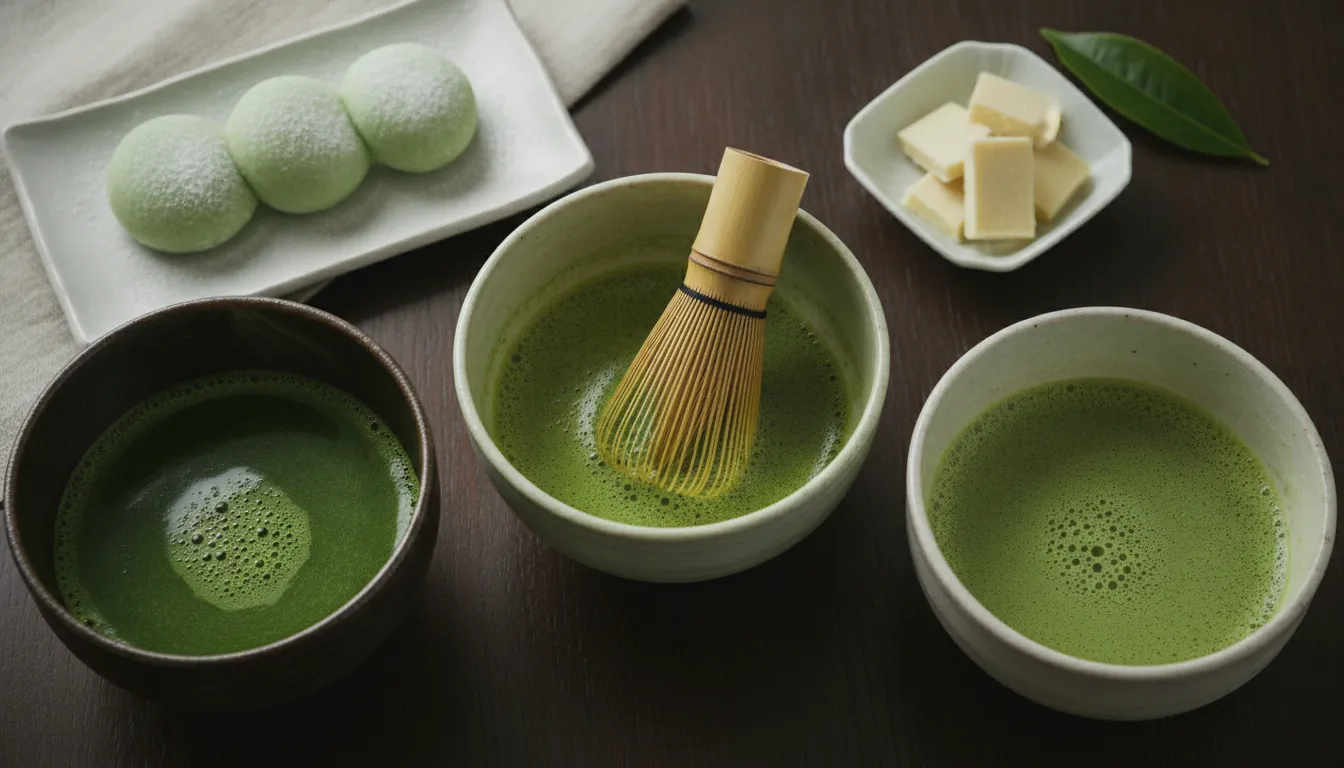
KŪSUI: Premium Matcha with Traditional Sweets
KŪSUI (空翠, $99 for 40g) is SŌRATE's top-tier ceremonial matcha, made from hand-picked Samidori and Asahi cultivars. It has a vibrant green color, a noble aroma, a creamy texture, and an intensely umami-rich finish. This matcha stands up to the richest traditional confections. In the tea ceremony, a small sweet called wagashi is served before the matcha to prepare the palate. The sugar coats the tongue, and when the KŪSUI follows, its bold umami cuts through the sweetness while the L-theanine delivers a calm, focused energy that lasts through the session. Pair it with anko (sweet red bean paste confections), mochi filled with strawberry and red bean, or yokan (azuki bean jelly).
SōKū: Superior Matcha for Modern Pairings
SōKū (蒼空, $46.80 for 40g) is made from hand-picked Yabukita and Okumidori cultivars, shaded for 20-30 days under tana canopies. It is bright green, refreshing, and smooth, with less intensity than KŪSUI but more structure than a house matcha. This makes it the most versatile matcha for modern western pairings. White chocolate is an excellent match: the creamy cocoa butter softens the matcha's astringency, while the tea's vegetal notes prevent the chocolate from reading as one-dimensional. Fresh berries, particularly raspberries and strawberries, also work because their acidity lifts the matcha's grassy top notes.
HEKISHO: House Matcha for Everyday Use
HEKISHO (碧霄, $37.80 for 40g) is a machine-trimmed Yabukita matcha with a refreshing, nutty, earthy character that is never bitter. It is the most approachable of the three and the best choice for cooking and baking. Use HEKISHO in smoothie bowls, overnight oats, or banana bread, where the nutty notes complement whole grains and nuts without overwhelming the dish.
| Matcha Type | Best Pairing | Flavor Profile | Price |
|---|---|---|---|
| KŪSUI Premium | Sweet mochi, anko | Creamy, umami-rich, noble aroma | $99 |
| SōKū Superior | White chocolate, berries | Bright, refreshing, smooth | $46.80 |
| HEKISHO House | Oats, bananas, nuts | Nutty, earthy, never bitter | $37.80 |
Browse SŌRATE's full matcha collection to find the right grade for your pairing needs.
Which Japanese Teas Pair Best with Seafood?
Sencha and Gyokuro are the two teas most commonly paired with seafood in Japanese cuisine, but they serve different roles depending on the protein and preparation method.
Sencha with Sushi and Sashimi
Sencha accounts for roughly 80% of tea consumed in Japan, and for good reason in the pairing context. Its sharp, clean astringency is the ideal counterpoint to raw fish. When you drink Sencha after a piece of tuna or salmon sashimi, the catechins strip the residual oil from your palate, leaving it clean for the next piece. This is not about masking fishiness. It is about preserving the distinct taste of each cut across an entire course.
SŌRATE's Sencha comes from the same Uji farm that has supplied tea since the era of Nagatani Soen, the 18th-century innovator who developed the steaming process that defines modern Sencha. The leaves are steamed within hours of harvest, locking in a bright green color and fresh, grassy scent. For a seafood pairing, brew at 160 degrees Fahrenheit for 60 to 90 seconds. Higher temperatures extract excess catechins and produce a harsh bitterness that competes with delicate fish rather than supporting it.
Gyokuro with Rich Umami Dishes
Gyokuro is shaded for three weeks before harvest, which suppresses catechin production and boosts L-theanine to the highest levels of any Japanese green tea. The result is a sweet, brothy tea with minimal astringency and a thick, almost syrupy mouthfeel. This makes Gyokuro unsuitable for palate cleansing but exceptional for umami amplification.
Pair Gyokuro with miso-glazed black cod, seared scallops with brown butter, or a mushroom-rich risotto. The tea's L-theanine binds with glutamate receptors in a way that extends the savory finish of each bite. Serve Gyokuro at a lower temperature, around 120 to 130 degrees Fahrenheit, and steep for two to three minutes. The cooler water preserves the amino acids that give the tea its signature sweetness.
Explore SŌRATE's Japanese green tea range for Sencha and Gyokuro sourced directly from Uji, Kyoto.
Hojicha and Genmaicha: Cozy Pairings for Comfort Foods
Not every pairing needs the formality of a tea ceremony. Hojicha and Genmaicha are everyday teas with profiles that match richer, heartier foods.
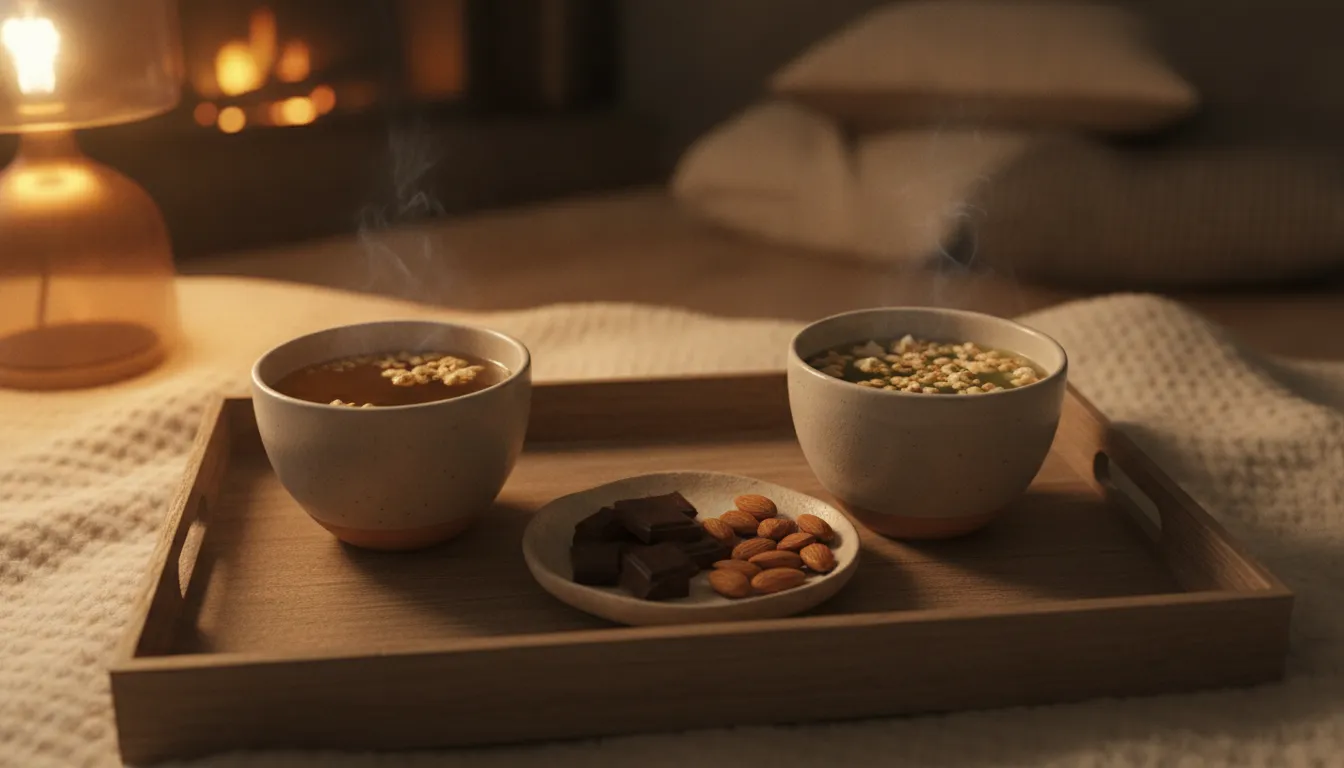
Hojicha with Roasted and Caramelized Flavors
Hojicha is green tea that has been roasted at high heat until the leaves turn amber. The roasting reduces catechin content and caffeine levels by roughly half, producing a smooth, toasty brew with notes of caramel and smoke. Because it is low in caffeine, Hojicha is suitable for evening meals when a Sencha or Gyokuro would be too stimulating.
Pair Hojicha with foods that share its roasted profile. Roasted almonds or walnuts are a classic choice, as the tea's smoky notes draw out the natural oils in the nuts. Dark chocolate with 70% or higher cocoa content also works, because the bitterness of the cacao mirrors the roast character of the tea. For a savory option, try Hojicha with grilled eggplant brushed with soy sauce and sesame oil. The tea cuts through the oil while the char on the eggplant echoes the roast of the leaves. Brew Hojicha at 195 degrees Fahrenheit for two minutes to achieve a deep amber color.
Genmaicha with Savory Rice and Snack Foods
Genmaicha is a blend of green tea and toasted brown rice. During roasting, some rice kernels pop like popcorn, giving the tea its characteristic nutty, warm aroma. The rice adds body and sweetness that make Genmaicha one of the most food-friendly teas in the Japanese repertoire.
The nutty rice notes make Genmaicha a natural companion to rice-based dishes: onigiri (rice balls), ochazuke (tea over rice), or a simple bowl of steamed rice with furikake. The tea also pairs well with savory snacks: salted edamame, rice crackers, or tempura. The toasted element bridges the gap between the tea and the food, creating a cohesive flavor experience that does not require the palate cleansing that astringent teas provide. With roughly half the caffeine of standard green tea, Genmaicha works well for lunch or an afternoon snack.
To brew, use water at 195 degrees Fahrenheit and steep for two to three minutes. The resulting liquor should be golden with visible suspended rice particles.
How Do You Host a Japanese Tea Pairing Session?
Hosting a Japanese tea pairing session is a structured but accessible way to experience the principles described above. The goal is not to replicate a formal tea ceremony but to create a space where guests can explore how different teas change their perception of food.
Planning the Flight
Select three to four teas from different categories to create contrast. A good starter flight might be: a light Sencha for seafood, a ceremonial matcha for sweets, and a Hojicha for roasted flavors. Prepare small portions of each food before the session begins. Each pairing should be one to two bites per guest, served on individual plates so the flavors do not mix on the palate.
Setting the Space
Follow the Japanese concept of ichigo ichie, the idea that each encounter is a once-in-a-lifetime moment. Clear the table of clutter. Use natural materials such as wood, stone, or unglazed ceramic. Place a single seasonal element, a small branch or a flower, within view. Natural light is preferable; if the session runs into the evening, use soft, indirect lighting rather than overhead bulbs.
Guiding the Tasting
Serve each tea before its paired food. Ask guests to note the color of the liquor, the aroma, and the texture on the tongue. Then serve the food, and after the bite, have them sip the tea again. The difference between the first and second sip is where the pairing reveals itself. Encourage guests to describe what they notice. One person might detect a sweetness that was absent before, while another notices the tea's astringency softening. This shared observation is the heart of the practice.
Order SŌRATE's matcha and green tea collection to build your pairing flight with teas from a family farm in Uji, Kyoto.
Frequently Asked Questions
What foods pair well with Japanese green tea?
Japanese green tea pairs well with a wide range of foods due to its clean, vegetal profile and natural astringency. Astringent teas like Sencha complement fatty seafood by cutting through oil. Umami-rich teas like Gyokuro amplify savory dishes such as miso-glazed fish or mushroom risotto. Sweets balance matcha's bitterness. The pairing logic depends on the specific tea's cultivation and processing method.
Does matcha pair well with desserts?
Yes. The natural bitterness of matcha creates a contrast with sweet flavors that makes both taste more complex. Ceremonial matcha pairs exceptionally well with Japanese confections like mochi and anko, but also with western desserts such as white chocolate truffles, fruit tarts, or shortbread. The key is matching the matcha intensity to the dessert richness: KUSUI premium handles dense red bean pastes while Soku superior works with lighter cream-based sweets.
Which Japanese teas go with seafood?
Sencha is the classic pairing for sushi, sashimi, and other raw seafood because its sharp astringency cleanses the palate of oils between bites. Gyokuro, with its high L-theanine content and brothy umami, pairs better with cooked seafood dishes that have a savory component, such as miso-glazed cod or seared scallops. Brew Sencha at 160 degrees Fahrenheit and Gyokuro at 120 to 130 degrees Fahrenheit for optimal flavor.
Are there specific Japanese tea pairings for hosting guests?
When hosting, offer a flight of three teas from different categories for contrast. Start with a bright matcha served with a small sweet as a welcoming ritual. Serve Sencha or Gyokuro during a savory course. End with low-caffeine Hojicha for a calming close. Prepare all food in small portions on individual plates so guests can taste each pairing cleanly without flavor carryover between courses.
Ready to Explore Japanese Tea Food Pairing at Home?
Selecting the wrong tea for your dish can leave flavors competing instead of complementing each other. The pairings in this guide are grounded in SŌRATE's direct sourcing from Uji, Kyoto, where the same family farm has cultivated tea for generations. Whether you are starting with a HEKISHO house matcha for morning oats or serving KŪSUI premium matcha at an evening gathering, each tea has a specific pairing that brings out its best qualities.
Shop SŌRATE's matcha and tea collection to begin your Japanese tea food pairing journey with teas that carry the tradition of Uji in every cup.


