


A high-quality bamboo whisk can last for two years when you clean it with care. Leaving green tea bits on the fine tines causes the natural fibers to break down and warp. Respecting your tools ensures every bowl of matcha stays pure and authentic.
Explore Sorate's tea accessories to build a thoughtful matcha ritual.
Knowing how to clean matcha whisk is the most important part of keeping your handmade tea tools in good shape for your daily tea ritual. You must rinse your bamboo whisk with warm water right away after each bowl to remove any green tea bits before they dry. Do not use soap or harsh cleaners because the soft bamboo is very porous and will soak up smells that ruin your next cup of tea. To dry the tool, place it on a special holder called a chasen naoshi so air can move between the thin tines to stop mold growth. Proper care and cleaning of a bamboo whisk can make it last a lot longer, sometimes up to two years, as noted by Naoki Matcha.
How To Clean Matcha Whisk: How to clean a matcha whisk after every use
You should clean your bamboo matcha whisk, or chasen, as soon as you finish your tea. A quick rinse keeps the fine tines in good shape and stops tea from drying on the bamboo. This simple habit is the best way to make your whisk last for a long time. Since proper care preserves your whisk, you can enjoy it for up to two years. Keeping it clean also ensures your next bowl of tea tastes fresh and pure.
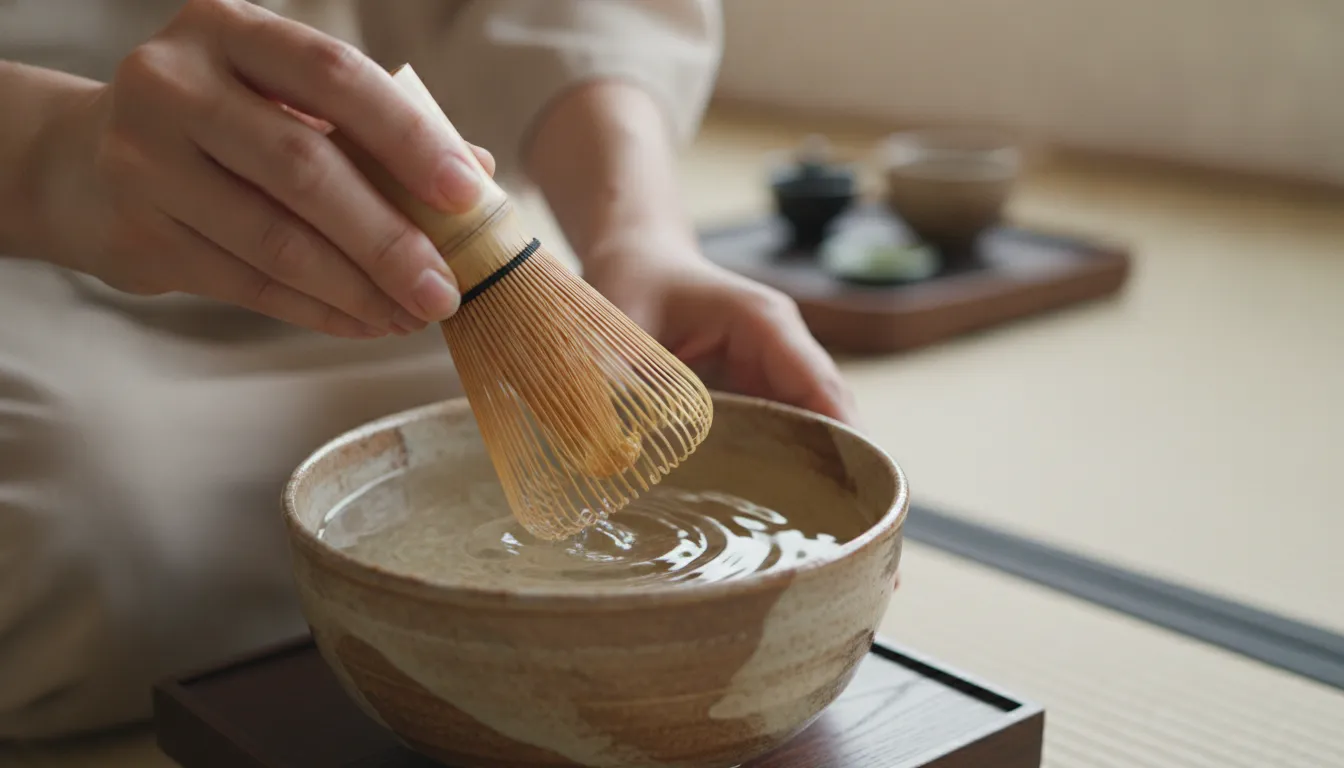
Quick rinse with warm water
The first step in how to clean matcha whisk is to use warm water. Hold the whisk under a gentle stream of warm water or whisk it in a bowl of clean, hot water. This will wash away the green tea powder before it has a chance to stick. You do not need to soak the bamboo for a long time. A quick, full rinse is often enough to get the job done. Warm water helps loosen any tea that may be hiding in the tight spots of the whisk.
Skip the soap and sponges
Never use dish soap or harsh cleaners on your bamboo whisk. Bamboo is a porous wood that can soak up scents and soapy fluids. Using soap can ruin the taste of your tea and may even damage the wood. Research shows that bamboo kitchenware needs gentle care to stay safe and last long. You should also avoid using rough sponges or brushes. These can snap the thin, curly ends of the tines. Your hands and warm water are the only tools you need for this task.
Inspect the tines
After you rinse the whisk, look closely at the tines. Each whisk is made by splitting a bamboo stalk into many fine splines. These splines are very thin and can catch small bits of tea. If you see any green spots, use your fingers to gently rub the tines under water. Be careful not to pull or twist the bamboo. Once the tines look clean, your whisk is ready to dry. Taking a few seconds to check your work prevents mold and keeps the whisk in top form.
- Rinse the whisk under a stream of warm water right after you use it.
- Whisk the tines in a bowl of clean hot water to reach the inner parts.
- Gently rub any spots of tea powder away with your fingers.
- Shake the whisk over the sink to remove any extra water.
- Place the whisk on a special holder to help it keep its round shape.
- Let the whisk air dry in an open spot with good air flow.
Proper drying is just as vital as cleaning. Natural fibers like bamboo can grow mold if they stay damp in a closed space. A special whisk holder is the best place for your chasen to rest. It keeps the tines spread out and allows air to reach every part of the tool. This prevents the tines from bending or breaking as they dry. By using these steps, you honor the tea ritual and keep your tools ready for the next bowl.
What should you avoid when cleaning a chasen?
A chasen is a very fragile tool. Makers carve it from one piece of bamboo. This makes it light but easy to hurt. Knowing proper care preserves your whisk is the first step. You must be gentle to keep the thin tines from breaking. If you use a bad method, your whisk might only last a few weeks. Good care can keep it useful for up to two years.
Keep soap away
You should never use soap to clean your chasen. Bamboo is a porous wood. This means it has tiny holes that soak up liquids. If you use dish soap, the wood will take in the soap. This can ruin the taste of your next bowl of tea. It can also dry out the bamboo and cause it to crack. Harsh soaps are known to damage plant fibers in food tools. Stick to plain, warm water to keep the tea tasting pure.
Skip the dishwasher
The dishwasher is too rough for a bamboo whisk. The hot water and high pressure will warp the tines. It can also cause the wood to split or break. Hand washing is the only safe way to clean this tool. When you wash by hand, you can control the force. This protects the thin parts from getting bent. Studies show that bad cleaning of bamboo tools can lead to mold risks. Hand rinsing is fast and much safer for the life of your whisk.
Avoid long soaking
Some people think soaking the whisk helps remove tea powder. In fact, long soaking can be bad. Too much water makes the bamboo soft and weak. It can also lead to mold if the tool does not dry fast enough. You only need a quick rinse in warm water after you use it. This removes the green tea left on the tines. After you rinse, you should let it air dry in a cool spot. Using a holder helps the whisk stay in the right shape as it dries.
| Cleaning Habit | Best Method | Methods to Avoid |
|---|---|---|
| Water Heat | Gentle warm water rinse | Boiling water or steam |
| Cleaning Agent | Pure water only | Dish soap or bleach |
| Drying Method | Air dry on a holder | Closed box or drawer |
| Tool Storage | Chasen naoshi holder | Resting on the tines |
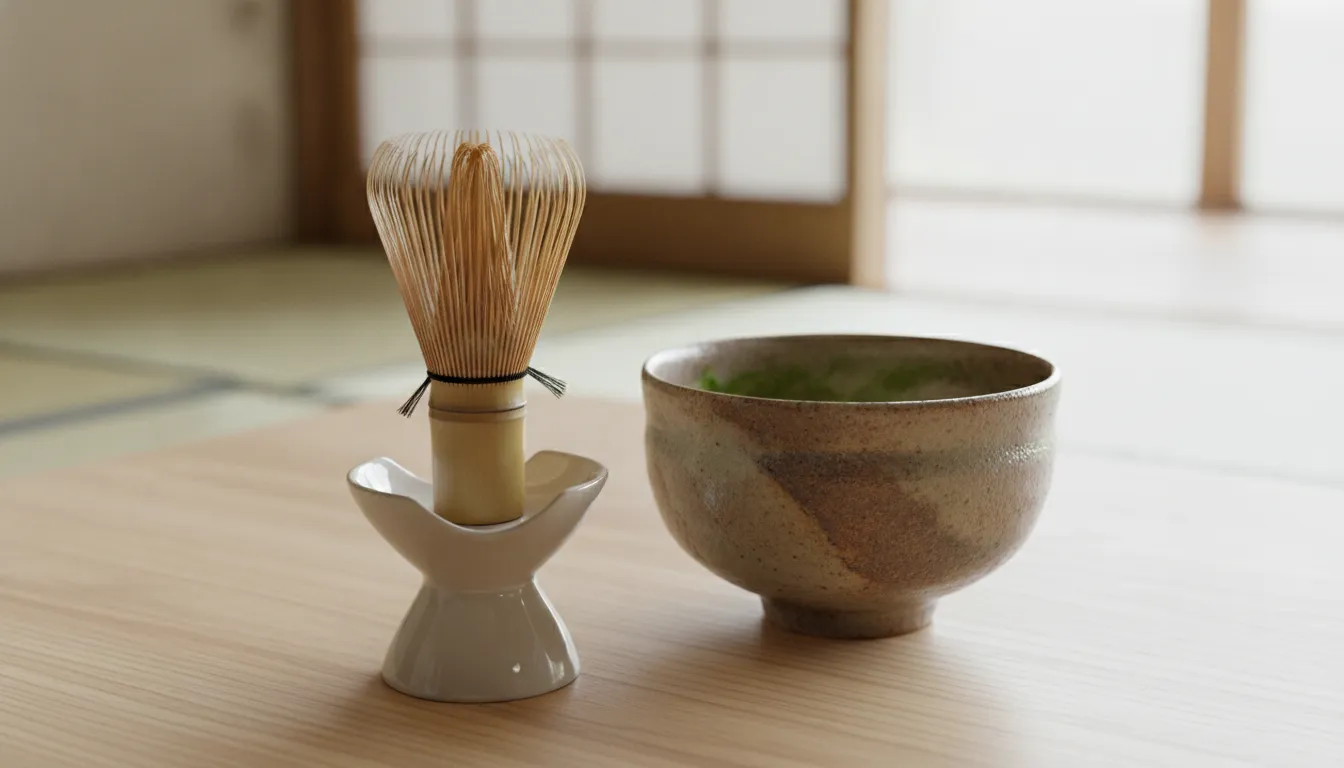
How to dry and store your matcha whisk
Drying is the key step when you learn how to clean matcha whisk tools. A wet whisk can grow mold or lose its shape. You must treat this tool with care to keep it in good shape. With the right steps, your whisk can last up to two years.
Air dry after every use
Bamboo is a porous wood that picks up moisture fast. Because of this, you must let it dry fully after each use to stop mold growth and keep your tea safe. Never use soap on your whisk. The bamboo will soak up the chemicals and ruin the flavor of your tea.
After you rinse the whisk in warm water, shake off the extra drops. Do not use a cloth to dry the prongs. The tines are thin and can snap if you press too hard. Instead, let the air do the work. Proper proper care preserves your whisk and keeps the bamboo strong.
Use a chasen naoshi holder
A whisk holder, or chasen naoshi, is the best way to dry your tool. This ceramic stand has a rounded shape that fits the whisk. When you place the whisk on the holder, it keeps the tines from curling or closing up. It also lets air flow through the center of the brush.
Many people make the mistake of drying their whisk on its side. This can cause the tines to warp over time. A holder keeps the tool upright and open. Using a holder is the best way to keep the whisk ready for your next tea ritual.
Find the right storage spot
Once the whisk is fully dry, you can move it to a storage spot. Keep it in a cool, dry place away from bright light. Do not put a damp whisk back into the plastic tube it came in. The tube traps wet air and can lead to bad smells or mold.
If you do not have a holder, you can stand the whisk on its handle. Make sure the prongs point up so they do not touch the counter. This helps keep the tool clean and safe for your next bowl of matcha. Checking your whisk for cracks or wear is also a good habit to start.
Even with good care, bamboo tools do not last forever. Most whisks will last about one to two years if you use them often. You will know it is time for a new one when the tines start to break or lose their spring. Look for a fresh whisk in our tea accessories shop to keep your tea smooth.
Preparing a new whisk and handling dried matcha
A new bamboo whisk is a work of art. These tools, known as chasen, are made by hand from a single piece of bamboo. They often have between 12 and 24 fine tines. Because they are so thin, they need a soft touch. Learning how to clean matcha whisk parts is the first step to a long life for your tool. Proper care and storage can help your whisk last for up to two years.
How to bloom a new whisk
When you unbox a new whisk, you will see that the outer tines curl inward. The inner tines are often bunched into a tight knot. You should not use the whisk in this state. Instead, you need to bloom the tool. Fill your tea bowl with warm water and rest the whisk inside. Let it sit for a few minutes. You will see the curls start to open and the center knot relax.
This simple soak makes the bamboo soft and supple. Soft bamboo is less likely to snap when you whisk your tea. It also washes away any small bits of dust from the craft shop. Once the tines look like a blooming flower, the whisk is ready. This ritual prepares the tool for the fast motions needed to make a frothy bowl of matcha. Gentle care at the start keeps the fine splines from breaking during your first few uses.
How to soften dried tea bits
Try to rinse your whisk with warm water right after use. If you forget, the matcha powder can dry and stick to the tines. Dried matcha acts like a glue that can make the tines brittle. Do not try to peel the dry tea off with your nails. You should also avoid using a brush or soap. Soap can sink into the porous bamboo and ruin the taste of your next bowl of tea. Using soap on bamboo can also lead to soaking in chemicals that are not safe for food tools.
To remove dried tea, fill a bowl with warm water. Place the whisk in the water so the tines are fully covered. Let it sit for five to ten minutes. The water will slowly soak into the dried tea and loosen it. Once the tea is soft, whisk the water gently. The bits should fall away into the bowl. If some tea remains, rinse it under a slow stream of warm water until the tines are clean.
Best practices for whisk care
Bamboo is a plant fiber that reacts to the air around it. If it gets too dry, it can crack. If it stays too wet, it can grow mold. This is why you must never soak the whisk for hours at a time. A short soak to clean or bloom it is fine, but long soaks will damage the wood. After cleaning, always stand the whisk up or place it on a whisk holder. A holder helps the tool keep its shape and allows air to reach every part of the tines.
Proper air flow is the best way to stop mold from forming. Moisture control is a vital part of stopping germ growth on any wood or bamboo tool. Always store your whisk in a cool, dry place. Do not put it back in its plastic case until it is fully dry. If you follow these steps, your chasen will stay strong and clean for many months of tea rituals.
When should you replace a matcha whisk?
A bamboo whisk, or chasen, is a delicate tool. It is made from a single piece of bamboo to help you mix the perfect bowl of tea. While a well-kept whisk can last up to two years, natural wear will happen over time. Knowing when to get a new one helps you keep your tea ritual fresh and your matcha frothy.
Visible damage to the tines
The most common sign that you need a new whisk is broken or frayed tines. These small bamboo strands are very thin and can snap if they are not handled with care. If you see pieces of bamboo in your tea, it is time to buy a new one. Frayed edges also make it hard to whisk your tea into a smooth foam. To help your whisk last, you should learn how to clean matcha whisk properly without using harsh tools.
Loss of shape and stiffness
Over time, the outer tines of your whisk will start to straighten out. A new chasen has a curved, full shape that moves air into the tea. When the tines lose their curve or become too soft, they cannot create the thick foam that defines a good bowl of matcha. Plant-based tools can degrade after many uses, which changes how well they work. Using a whisk holder can help, but eventually, the bamboo will lose its spring.
Issues with mold or odor
Bamboo is porous and can hold onto moisture. If a whisk is not dried well after each use, it may grow mold or develop a strange smell. Mold often looks like small black or green spots near the base of the tines. Because mold on porous tools can be a safety risk, you must replace the whisk immediately if you see any growth. Never try to scrub mold off, as the spores can stay deep inside the bamboo fibers. Regular rinsing and air drying are the best ways to keep your tool safe and clean.
Build whisk care into your matcha ritual
A bamboo whisk is more than a simple kitchen tool. It is a piece of art made from one piece of bamboo. Caring for this tool keeps your tea tasting fresh and pure. When you know how to clean matcha whisk tines well, you help the bamboo last for a long time. This slow, mindful care becomes a calm part of your daily tea ritual.
Rinse with warm water
Clean your whisk right after you finish your tea. This stops green powder from drying on the tines and keeps the tea flavor bright. Hold the whisk under a stream of warm water or whisk it in a bowl of clean water. Using gentle water pressure removes small tea bits without hurting the fine bamboo tines.
Do not use dish soap or rough sponges on your whisk. Bamboo is a porous material that can soak up scents or chemicals. These can ruin the taste of your next bowl of tea. Simple water is enough to keep your tools clean and safe for food use. Maintaining your tea set this way honors the tradition of the tea ritual while protecting your tools.
Dry and store correctly
Wet bamboo is the biggest risk to a whisk. If the bamboo stays wet, mold can grow deep inside the tines. This is why proper drying is key for health. Shake the whisk gently to remove extra water after you rinse it. Then, place it on a whisk holder to help it keep its shape as it dries.
Using a holder ensures that air flows around every part of the whisk. It also keeps the thin tines from bending or breaking over time. With this proper care, a good whisk can last for up to two years. Storing your tools with care shows respect for the farm and the makers who made them.
Frequently Asked Questions
What is the best way to remove matcha trapped deep in the whisk tines?
If matcha gets stuck deep in the tines, do not use soap or a hard brush. First, soak the whisk in warm water for a few minutes to soften the tea. Next, whisk the water in a bowl to shake the bits loose. If you still see green spots, use your fingers to rub the bamboo very gently under a slow stream of water. Proper care is vital for a good whisk and long life.
Can you use a metal whisk as a replacement for a bamboo matcha whisk?
You can use a metal whisk, but it will not work as well as a bamboo tool. Bamboo whisks are made by hand with thin splines that create a much finer foam. Metal tools are often too stiff and can scratch your tea bowl. According to SORATE, these thin tools are a key part of the tea ritual. Bamboo tools help you get a smooth texture that metal tools cannot match.
How do you keep a bamboo whisk from cracking in a dry climate?
Bamboo is a natural fiber that can crack if the air in your home is too dry. To stop this, soak your whisk in warm water for two minutes before every use. This keeps the wood soft and supple. If you live in a very dry place, you can also rinse the whisk once a week even if you do not make tea. Moisture control is key to keeping plant-based tools safe.
Why do bamboo whisks have different numbers of prongs?
The number of tines, or splines, can vary based on the type of tea you want to make. Most whisks have between 12 and 24 splines carved from a single piece of bamboo. A higher tine count helps create a thick, creamy foam for thin tea. Whisks with fewer tines are often used for thick tea. Making these fine tools by hand takes great skill and changes the final bowl of tea.
Ready to protect the life of your real Japanese matcha whisk?
Damp bamboo tines invite mold and germs to grow if you do not rinse and dry your whisk with a proper holder after each use. If you wait to start this care plan, you risk brittle tines that snap off into your tea and ruin the taste of your bowl. Starting this simple ritual today prevents the need for a costly new tool next month while keeping your tea foam thick and creamy for you. You will save money and have a better tea time when you learn to care for your whisk starting with your very next bowl.
Ready to start? Explore Sorate's matcha tools and accessories to keep your whisk in its best shape.


