


Gyokuro rewards a quieter approach. Learning how to brew gyokuro with cool water and deliberate timing reveals its deep umami. Gentle sweetness, and lingering finish, while water that is too hot can overwhelm the leaf with bitterness.
Explore Sorate tea accessories for your gyokuro ritual
Learning how to brew gyokuro right is vital to tasting the unique umami flavor of this rare tea that needs very careful focus on heat and timing. The process starts by using about 5 grams of tea leaves and a low heat between 40 and 60 degrees Celsius to keep away any really bitter taste. According to Sorate brewing guides, a slow two minute soak lets high levels of L-theanine create a really rich, savory broth you can re-steep five more times. You should use a Japanese pot like a shibori dashi to help you control the pour and get the most flavor from every single extra high quality drop.
How to Brew Gyokuro: The Essential Recipe
Brewing gyokuro is a ritual that demands focus and patience. Unlike other teas, this shade-grown leaf relies on a high ratio of leaf to water. You will need about 5 grams of tea leaves for a small serving. Using more leaves creates a rich, thick liquid that highlights the sweet umami notes of the plant.
The need for low heat
Water heat is the most vital point when you learn how to brew gyokuro well. High heat can pull out too much sharp taste from the soft leaves. To save the flavor, you must keep the water between 40 and 60 degrees Celsius. This range keeps L-theanine safe, which gives the tea its rich taste.
Wait for deep flavor
The first steep needs a long wait of about 90 to 120 seconds. This time lets the tight leaves open and release their juice. You should use a small pot to keep the brew thick. This slow path leads to a cup that tastes less like grass and more like deep, sweet sea salt.
| Method | Water Heat | Leaf Amount | Steep Time |
|---|---|---|---|
| Classic Umami | 40-50 C | 5-6 grams | 2 minutes |
| Everyday Cup | 60 C | 3-4 grams | 1.5 minutes |
| Cold Brew | Room temp | 7-8 grams | 15 minutes |
After the first round, you can brew the same leaves up to five times. For later cups, add 10 degrees of heat and wait less time. You can find the right tea tools to help with these steps on our site.
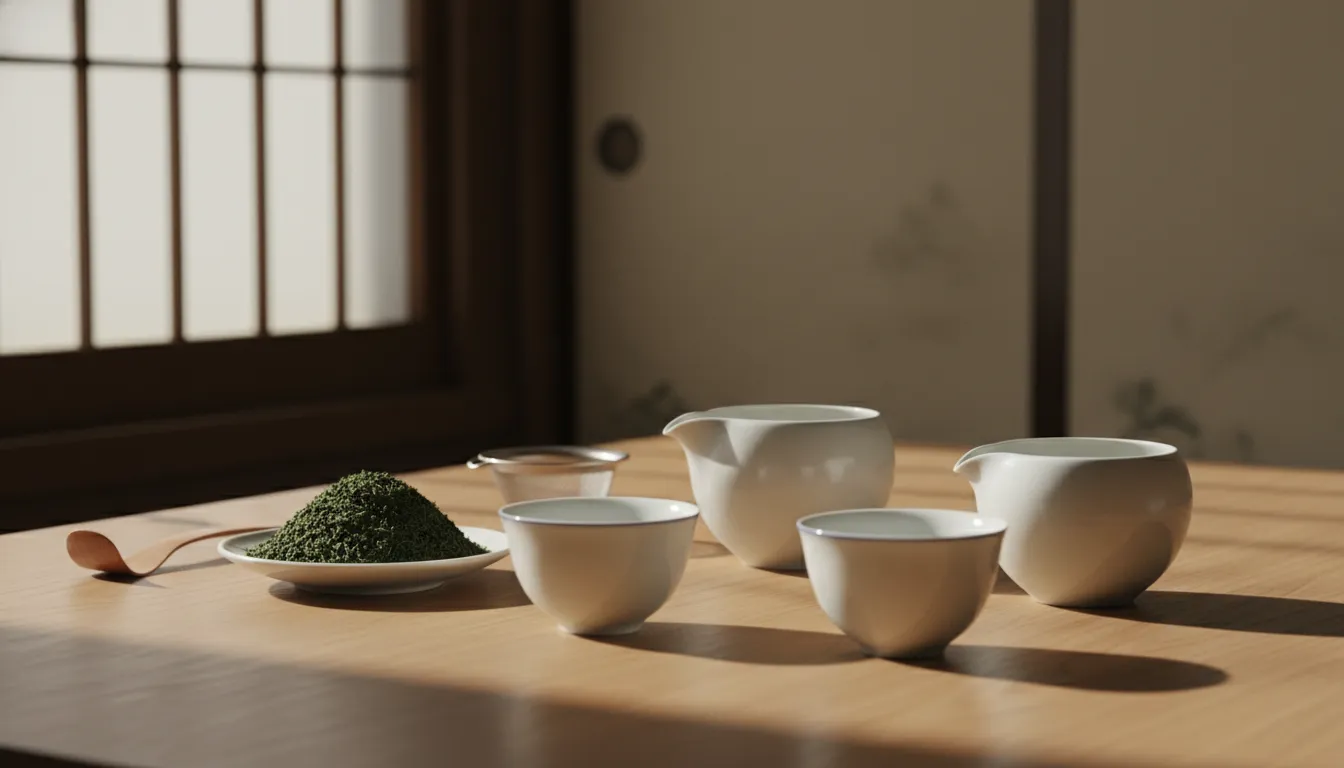
A step-by-step gyokuro brewing ritual
Making a cup of gyokuro is a slow and thoughtful task. This tea is known for its high level of L-theanine, which gives it a rich and savory taste. To get the best flavor, you must be precise with your tools and timing. This guide will show you how to brew gyokuro at home using traditional steps.
Prepare your tea tools
Before you start, gather your tea items. You will need a small Japanese-style teapot, such as a shibori dashi or a kyusu. These pots help the leaves open up and release their full flavor. You should also have small tea cups and a way to measure water heat. Warming your pot and cups with warm water is a good way to keep the tea at the right heat during the ritual.
Cool the water and measure leaves
Water heat is the most vital part of this process. Boiling water will make the tea taste bitter and lose its sweet character. For the first brew, aim for a low heat between 40 and 60 degrees Celsius. You can cool the water by pouring it into an empty cup before adding it to the pot. Use about 5 grams of loose leaf tea for a single serving to ensure a strong and deep umami profile.
- Measure the tea: Place 5 grams of dry gyokuro leaves into your warm teapot. The leaves should look like dark, thin needles.
- Add the cooled water: Pour the water, which should be between 40 and 60 degrees Celsius, over the leaves until they are just covered.
- Start the first steep: Let the leaves sit in the water for 1 minute and 30 seconds to 2 minutes. Do not shake or stir the pot during this time.
- Pour the tea: Pour the tea into your cups in small bursts. This helps spread the flavor and heat evenly among all cups.
- Get every last drop: Make sure to pour out all the liquid from the pot. The final drops have the most flavor and will prevent the leaves from overcooking.
- Steep again: You can re-steep the leaves up to five times. For each new round, increase the water heat by about 10 degrees.
Master the final pour
The final pour is just as important as the first. When you finish your first cup, you can start a second round right away. Because the leaves are already wet, the second steep only takes about 30 seconds. By following these steps, you honor the work of the Uji, Kyoto farmers who grow this rare tea. Each brew will offer a new layer of taste for you to enjoy.
What water temperature is best for gyokuro?
Water temperature is a vital part of how to brew gyokuro. Unlike common green teas that use hot water, this rare leaf needs a very cool touch. High heat draws out bitter notes that can hide the natural sweetness of the tea. If the water is too hot, it can scorch the fine leaves and ruin the rich taste you expect from a high-grade harvest.
The balance of sweetness and bitter taste
Low heat is vital because it changes which parts of the leaf enter your cup. A lower temperature helps release L-theanine, which is a rare amino acid that gives tea its rich flavor. This compound dissolves well in cool water and provides a thick, broth-like feel. At the same time, cool water keeps bitter tannins trapped inside the leaf fibers where they belong.
When you use the right heat, you gain a perfect balance of flavor. The tea should taste like a mix of fresh greens and sea air. If the brew tastes sharp or dry, the water was likely too hot for the first steep. Exact heat control honors the work of the farmers in Uji, Kyoto who shade the plants to boost these sweet flavor notes.
Specific ranges for every steep
For the first round of brewing, aim for a range between 40 degrees C and 60 degrees C (104 degrees F to 140 degrees F). This very low heat allows the leaves to open slowly and release their deep umami notes. If you are new to this style, starting at 50 degrees C (122 degrees F) is often a safe choice for a balanced cup. This range ensures the tea remains soft on the tongue without any harsh finish.
As you move to later rounds, you will need to change the heat slightly. It is best to increase the water temperature by about 10 degrees C (18 degrees F) for each new steep. This extra heat helps pull flavor from the inner layers of the leaf after they have already soaked. You can find more tips on this in our guide to brewing Gyokuro which covers the full process in detail.
- First steep: 40 degrees C - 60 degrees C (104 degrees F - 140 degrees F)
- Second steep: 50 degrees C - 70 degrees C (122 degrees F - 158 degrees F)
- Third steep: 60 degrees C - 80 degrees C (140 degrees F - 176 degrees F)
How to cool water without tools
You do not need a digital thermometer to get the right heat for your tea. The old way to cool water uses a method of pouring water from one vessel to another. Each time you pour boiling water into a new cold cup, the temperature drops by about 5 degrees C to 10 degrees C. This simple physical trick lets you reach the target range with ease and grace.
To start, pour your boiling water into a cooling bowl or a spare teapot. Wait a few moments, then pour it into your tea cups. Finally, pour that water over the leaves once the vessels feel warm but not hot to the touch. This method also warms your cups, which keeps the tea at a steady heat while you sip. It turns a technical task into a calm part of your daily tea ritual.
Another easy check is to watch the steam and the feel of the pot. At 50 degrees C, the steam will be thin and will fade quickly in the air. You should be able to hold the sides of the teapot with ease for several seconds without feeling a burn. If the pot is too hot to touch, the water is still too warm for your tea. Slowing down the cooling process helps you link with the tea before you even take a sip.
How much gyokuro should you use?
The right amount
Gyokuro is not like other teas. Most people use a small amount of tea with a lot of water. But with this noble tea, you need more leaves for less water. This method makes a thick and rich brew.
This high leaf ratio pulls out the flavor from L-theanine. This is a special part of the leaf that gives the tea a savory taste. Using more leaves lets you get the full depth of this flavor.
A common serving for brewing gyokuro uses about 5 grams of leaves. This amount mostly goes with a small amount of water. You might use only 30 to 50 milliliters for each person. That is about one or two ounces.
This high leaf count is why the first cup feels so strong. It is more like a small shot of tea than a big mug. This style is key to the old ways of tea.
Measuring for your pot
The size of your teapot is key. A large pot will not work well for this tea. The water will get too cold or the taste will be too weak. You should use a small Japanese teapot.
These are called kyusu or shibori dashi. These pots are made to hold the right amount of water for the leaves. They help you keep the heat low and steady.
This is key to balance the flavor and keep the tea from getting bitter. To find the right amount, look at the size of your cup. Fill your tea cup with water and then pour it into your pot.
This shows you how much water you need for one cup. Add 5 grams of tea for each small cup you plan to serve. This way, the leaves have enough room to open up. Using the right tools makes the steps simple and clear.
Tuning for your taste
You can change the ratio to fit what you like. Some people want a strong and sweet tea. They might use 6 or 7 grams of leaves for a single cup. Other people like a light taste and use only 3 or 4 grams.
Both ways are fine as long as you enjoy the drink. Start with the common 5 grams and see how it feels. If it is too strong, add a bit more water the next time you brew.
If you use fewer leaves, you might need to brew the tea for a longer time. But be careful with this change. If you steep the tea for too long, it can become bitter.
It is often better to use more leaves and keep the steep time short. This helps you get the best parts of the tea without the harsh bits. You can find more tips for brewing this noble tea in our other guides. Learning to tune your cup is part of the fun of tea.
Discover the Uji origins behind Sorate's Japanese tea ritual
How to re-steep gyokuro leaves
You do not have to throw away your tea leaves after just one cup. Gyokuro is a rare and fine tea. The leaves hold many layers of taste that come out slowly. You can enjoy four or five cups from the same set of leaves. Learning how to brew gyokuro more than once helps you get the most value from each leaf.
Setting time and heat
Each new brew needs a small change in how you handle the water. For your first cup, you use very cool water. For the next cups, you should raise the heat. It is best to raise the heat of the water by about 10 degrees for each new steep. This extra heat helps pull out the deep flavor that is still trapped inside the leaf.
The time you wait also changes. The first steep takes about 90 seconds. The second steep can be very fast, often only 30 seconds. This is because the leaves are already wet and open.
By the fourth or fifth cup, you may need to wait longer again to get the last bits of flavor. Studies show that L-theanine gives tea a special taste and helps you feel calm.
Pour out every drop
One big rule for re-steeping is to drain every drop of water from the pot. If any water stays in the pot, the leaves will keep brewing. This makes the tea bitter and ruins the next cup. You should pour until the very last drop falls out. This keeps the leaves damp but not soaked.
Using the right tools can make this easier. A Japanese teapot like a shibori dashi is made for this task. You can find these in our set of tea accessories. These pots let the water flow out well while keeping the leaves in place. This helps the leaves stay fresh for your next cup of tea.
Watch the tea change
As you brew the tea more times, the taste will change. The first cup is often very thick and rich. It has a strong umami taste that many people love. The second and third cups may taste lighter and more like fresh grass or flowers. This change is part of the joy of drinking tea.
Pay close attention to the color of the tea too. It may start as a deep green and become a pale yellow over time. You are seeing the tea change in your cup. By taking your time, you can see the hard work of the farmers who grew the leaves in Uji, Kyoto.
Troubleshooting your gyokuro brew
Brewing gyokuro is a skill that takes time to learn. Even small changes in heat or time can change the taste. If your tea does not taste right, do not worry. Most issues are easy to fix with a few small shifts. You can use our guide to brewing Gyokuro to help you start with the right steps.
Solving bitter or sharp notes
Bitter taste is the most common problem for new brewers. This mostly happens when the water is too hot. Gyokuro is delicate and needs low heat to keep its sweet taste. If your tea is too sharp, check these points:
- Lower the water heat by ten degrees.
- Reduce the steep time by thirty seconds.
- Use a scale to weigh your leaves.
Leaving the leaves in for too long will pull out too much of the sharp taste. Proper brewing helps to keep the right balance of flavor in your cup. The flavor of Japanese green tea comes from a special amino acid called L-theanine.
High heat can hide this sweet umami taste behind a wall of bitter notes. Try to keep your water between 40 and 60 degrees Celsius for the best taste. This lower heat protects the soft leaves and lets the rich tea shine.
Improving light or weak flavor
If your tea tastes flat or like plain water, you may not be using enough leaves. We suggest using about five grams of tea for a small pot. You might also need to use less water to keep the drink rich.
Gyokuro is meant to be a small, bold drink. If you use too much water, the deep flavor will be lost. One more cause for weak tea is water that is too cold. While high heat makes tea bitter, very cold water will not wake up the leaves.
If you find the taste too light, try to wait a full two minutes for the first steep. This gives the tea time to open up and release its full taste. You will notice a much thicker feel in the mouth when it is right.
Mastering the pour and timing
How you pour the tea matters as much as the brew time. If you fill many cups, pour a little into each cup in a back and forth way. This makes sure that every person gets the same strength of tea.
If you pour one full cup at a time, the last cup will be much stronger than the first. Lastly, never leave your tea leaves sitting in water between steeps. This will overcook the leaves and make the next round taste bad.
Always pour out every last drop of liquid from the pot. Using the right tea tools like a shibori dashi can help you drain the pot well. This keeps the leaves fresh for your next pour.
Choosing teaware for gyokuro
Picking the right tools is the first step in your tea journey. Gyokuro is a rare tea that needs low heat to show its sweet taste. Using the right pot or cup helps you keep the heat low and draw out the rich flavor.
You can start with simple items you have at home, but using old-style teaware makes the process better. It turns a simple drink into a calm ritual.
Proper tools help balance the tea in your cup. Research shows that a good brew balances things like caffeine and theanine for a better taste and feel.
Choosing your items with care is a key part of the Japanese tea practice. This choice shows respect for both the farm and the leaves.
Traditional brewing vessels
A shiboridashi is one of the best choices for this tea. It is a flat, shallow dish with a lid but no handle. Its wide shape lets the leaves spread out so they can release their taste in just a few drops of water.
This is perfect for the very small, strong servings that gyokuro is known for. Because it is small, it also helps the water cool down fast.
A houhin is another great tool for your kit. It looks like a small teapot but lacks a handle. Like the shiboridashi, it is made for teas that use low heat.
It often has a built-in filter to catch the fine leaves. If you prefer a more common style, a kyusu with a side handle also works well. A clay kyusu can even change the taste of the tea over time.
This happens as it picks up oils from the leaves. You can find these items in our line of tea tools and sets.
Measuring and cooling tools
Being exact is key when you learn how to brew gyokuro. A small scale helps you measure out five grams of leaves for each cup. Using too many or too few leaves will change the strength of the brew.
A timer is also helpful to track your steeping time. Most first brews take about 90 seconds to two minutes to reach the right strength.
You also need a way to cool your water. A cooling vessel, or yuzamashi, is a bowl with a spout. You pour hot water into it first to lower the heat before it hits the leaves.
Since this tea needs water between 40 and 60 degrees Celsius, this step is vital. Small, white cups are also a must. They are needed to show off the tea's color.
They hold just an ounce or two, which lets you savor the thick, umami-rich liquid in small sips. The white color helps you see the bright green hue of the tea as you drink.
Browse Sorate kits and sets for a considered tea ritual
Frequently Asked Questions
What is the best water temperature for brewing gyokuro?
To preserve the delicate sweet taste of gyokuro, you should use very low water heat. The best range for the first brew is between 40 and 60 degrees Celsius. According to Sorate brewing guides, high heat draws out bitter tannins that can ruin the tea. Starting at 50 degrees Celsius is a safe way to ensure you get a rich and smooth cup that honors the work of the farmers in Uji.
How long should I steep gyokuro?
The first steep for gyokuro leaves should last about 90 seconds to 2 minutes. This long wait time allows the tightly rolled needles to open and release their deep savory juice. Because the water is cool, the leaves need more time to share their flavor with the brew. For the second cup, you can steep the leaves for only 30 seconds since they are already wet. This change in timing helps you enjoy many layers of flavor.
How much gyokuro leaf should I use per serving?
A standard serving of gyokuro uses about 5 grams of loose leaf tea for every 60 to 90 ml of water. This high ratio is needed to create the thick, soup-like feel this tea is known for. Using plenty of leaves ensures your cup has high levels of L-theanine, which provides the signature umami taste. A digital scale can help you find the exact weight so your brew is always rich and satisfying.
Can you re-steep gyokuro tea leaves?
Yes, you can re-steep high-quality gyokuro leaves up to five times. Each round offers a new taste, from a thick first cup to a light and floral final brew. For each new steep, raise the water heat by about 10 degrees Celsius to reach the flavor deep inside the leaf. It is vital to pour out every drop from the pot after each cup. This prevents the leaves from overcooking and keeps them fresh for your next pour.
What kind of teapot is best for brewing gyokuro?
A small Japanese-style vessel like a shibori dashi or a kyusu is the best choice for brewing these fine leaves. These tools are built to handle the small water amounts and high leaf ratios that gyokuro needs. A shibori dashi is especially good for cooling the water and controlling the final pour. Using the right tea accessories helps you master the ritual and ensures every drop of flavor reaches your cup.
Ready to brew the perfect cup of Gyokuro?
A well-prepared cup of gyokuro turns measurement into ritual. Cool water, an attentive pour, and time allow the leaf to unfold across several infusions, revealing a different expression in every cup. Begin with the recipe, then adjust gently until the brewing rhythm feels natural in your own tea practice.. You can get the tools and leaves you need in a few clicks.
Ready to contact? Explore authentic Japanese green tea to talk to a tea expert.


