


Every Japanese tea ritual begins with a choice between clear sencha and thick matcha. These two green teas offer very different cups even though they come from the same plant.
Explore Sorate's matcha collection and begin your own tea ritual.
Sencha vs matcha is a look at two special ways to enjoy Japanese green tea leaves. Sencha is made of whole leaves that grow in direct sunlight and are then rolled into thin shapes. You make it by steeping the leaves in hot water and straining them out before you drink. This way of brewing makes a fresh, grassy, and slightly crisp taste. Matcha is different because the plants are shaded before harvest. The leaves are stone-ground into a fine green powder that you whisk into water. Since you drink the whole leaf, matcha has a much richer, creamier texture.
While both teas come from the same plant, their growth and final taste are very different. Understanding these details helps you choose the right ritual for your morning or a quiet moment of focus.
Sencha vs matcha at a glance
Sencha is steeped as whole leaves, while matcha is whisked as a fine powder and consumed in the cup. Sencha and matcha are the two most popular green teas in Japan. While both come from the same plant, their growth, harvest, and taste are quite different. Sencha is the most common tea in Japan and makes up about 80% of all tea production. It offers a fresh, grassy taste. Matcha is a vibrant green powder used for traditional rituals. Knowing the differences between Sencha and Matcha helps you choose the right tea for your day.
Growth and harvest
Sunlight is the main factor that sets these teas apart. Sencha tea plants grow in direct sun. This helps the leaves develop a balanced mix of flavor compounds. In contrast, matcha tea plants are shaded for 20 to 30 days before harvest. Shading increases chlorophyll, which gives the leaves a deep green color. It also boosts L-theanine levels to create a sweet, umami flavor. Science shows that matcha tea polyphenols can be more bioavailable than those in sencha.
Processing and form
The way farmers handle the leaves after picking changes their final form. For sencha, the leaves are steamed and then rolled into thin needles. This preserves the shape of the whole leaf for steeping. For matcha, the leaves are steamed and dried flat. Workers remove the stems and veins to create tencha. Then, they use stone mills to grind the tea into a fine powder. Because of these steps, how Matcha compares to Sencha depends largely on whether you prefer steeped leaves or whisked powder.
| Feature | Sencha | Matcha |
|---|---|---|
| Form. | Whole rolled leaves. | Stone-ground powder. |
| Growth. | Grown in full sun. | Shaded before harvest. |
| Taste. | Fresh and grassy. | Rich and umami. |
| Prep. | Steeped in hot water. | Whisked into water. |
| Consumption. | Leaves are removed. | Entire leaf is consumed. |
Cup character and ritual
The tea you choose often depends on the moment. Sencha is the standard tea for daily life in Japan. People serve it in homes and offices because it is easy to steep. It has a light, gold-green color and a crisp finish. Matcha is central to the traditional tea ceremony. It has a thick, creamy texture and a bright green hue. Research found that matcha may help cognitive function and heart health. This makes it a great choice for focused tasks or mindful tea rituals.
Why leaf form changes the entire experience
From whole leaf to fine powder
The physical form of the tea leaf is the first big point in the sencha vs matcha debate. Sencha leaves grow in direct light from the sun. This light helps the plant create a balance of flavor. After harvest, workers steam and roll the leaves into thin needles.
This rolling helps release the juices and shape the leaf. You can see these distinct shapes in a high-quality differences between Sencha and Matcha guide. Farmers shade the matcha plants for about 20 to 30 days before they pick them.
This shading boosts the color and changes the plant's make-up. Once picked, the leaves are steamed and dried flat to make tencha. Workers then use stones to grind the tencha into a fine green powder. This slow grind keeps the tea cool to protect its taste and color.
Steeping versus whisking
How you prepare each tea also changes the way you drink it. To make sencha, you steep the loose leaves in hot water. The water pulls out the flavor and nutrients, but the leaves stay in the pot. You usually pour the tea through a strainer.
This method creates a clear, light liquid. It has a fresh and grassy taste that many people enjoy as a daily drink. Preparing matcha is more like a ritual. You do not steep it. Instead, you put the powder into a bowl and add hot water.
You use a bamboo whisk to mix the powder into the water. This creates a thick, frothy drink. Because you mix the powder straight into the liquid, you drink the whole leaf. This gives the tea a rich and creamy feel that is very different from a steeped cup.
Consuming the entire leaf
With sencha, the leaves are removed after steeping; with matcha, the powdered leaf remains in the drink. The biggest change comes down to what you really eat. When you drink sencha, you throw the leaves away after you brew them. With matcha, the leaf is the drink. This means you get more of the plant's natural power.
Research shows that matcha polyphenols are more bioavailable and have more antioxidant activity than sencha during digestion. Drinking the whole leaf also changes how your body feels. Matcha provides a steady energy boost that many find better than coffee.
This comes from the mix of caffeine and L-theanine. This amino acid helps you stay calm while you focus. Sencha offers a lighter boost that is perfect for many cups through the day. Both teas are great, but their form sets how you enjoy them and what they give your body.
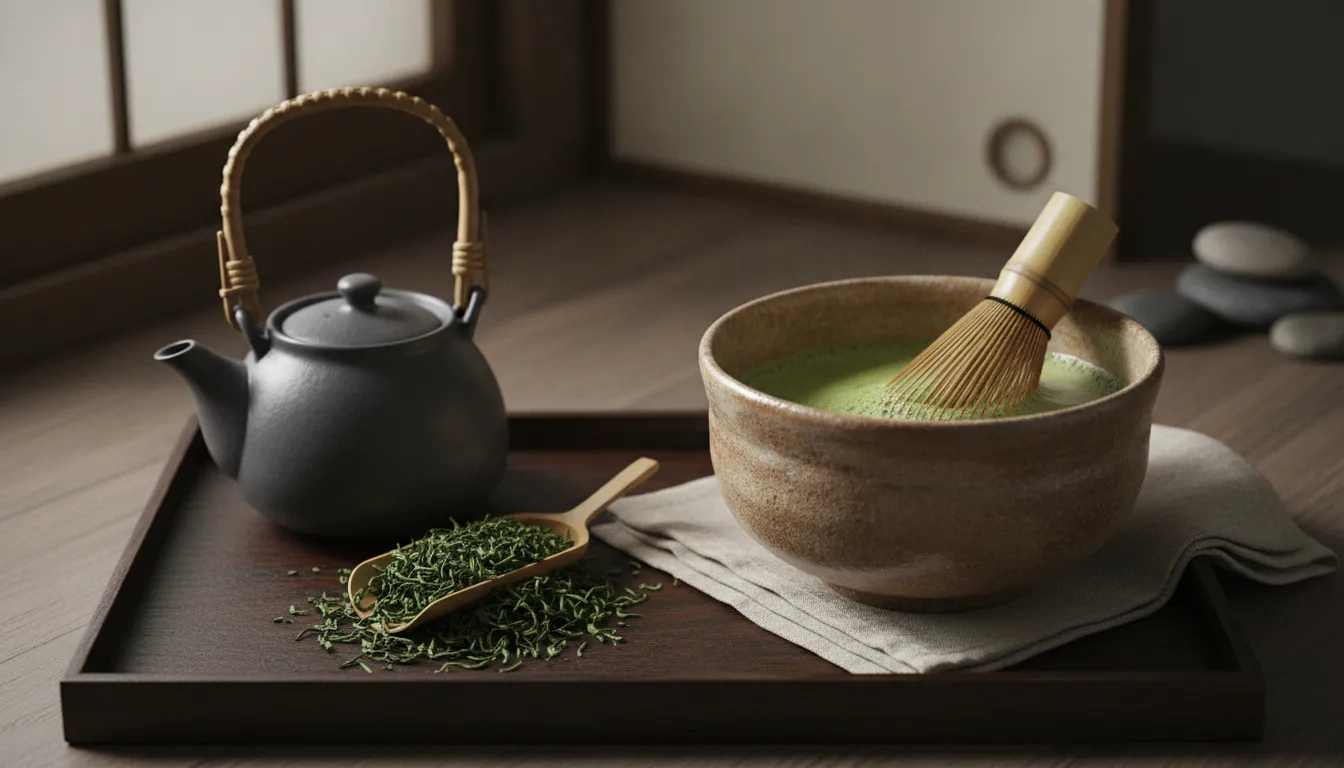
How do sencha and matcha taste different?
Sencha tastes fresh, grassy, and crisp, while matcha tastes richer, creamier, and deeply savory. Sencha suits drinkers who prefer a clear, refreshing steep and a light finish. Matcha suits those who enjoy a fuller texture, pronounced umami, and the focused ritual of whisking powder directly into water.
The crisp and grassy notes of sencha
When you sip sencha, you will notice a bright and grassy flavor. It often tastes like fresh greens or young herbs. This tea has a light body that feels clean on the tongue. Some people find that it has a gentle, sharp bite. This crisp note comes from natural parts called catechins. These grow in the leaves when the plant sits in the direct sun.
The way you brew your tea also changes how it tastes. To get the best flavor, you should use water that is hot but not boiling. If the water is too hot or if you steep it too long, the tea can become quite bitter. When done right, premium sencha should have these traits:
- A fresh, leafy scent.
- A pale green or yellow color.
- A mix of sweetness and a pleasant, mild tartness.
The rich umami and creaminess of matcha
Matcha has a much thicker texture than sencha because you drink the actual leaf powder. It is famous for its umami, which is a savory or brothy flavor. High-quality matcha should taste sweet and nutty with a hint of sea salt. It feels rich and creamy in the mouth, almost like a thin latte, even if you do not add any milk.
This smooth profile is due to high levels of L-theanine. This amino acid gives the tea its sweetness and helps hide any bitter notes. Modern studies show that these parts help with focus and heart health. One study in NCBI suggests that matcha may even help with brain function. For the best taste, look for a bright green color and whisk it until a thick foam forms on top.
Why growth affects the final flavor
The main reason for these flavor gaps is how the farmers grow the tea. Sencha grows in open fields under direct sunlight. This sun exposure creates more catechins, which add that crisp, grassy bite. It is a great choice if you want a tea that feels light and wakes up your mouth.
Matcha plants spend their last few weeks in the shade. Farmers cover the bushes to block out most of the light. This lack of sun forces the plant to produce more chlorophyll and L-theanine. This process lowers the bitter taste and boosts the umami that fans love. Whether you want the bright zing of sencha or the deep calm of matcha, both teas show off the rich soil of Japan.
How to prepare sencha and matcha with intention
Prepare sencha by steeping whole leaves in a kyusu, and prepare matcha by whisking sifted powder in a chawan. Making tea is more than just a quick task. It is a time to slow down and find peace. Both sencha and matcha reward careful preparation. While you steep sencha leaves, you whisk matcha powder into water. These paths offer distinct ways to connect with Japanese tea tradition.
Making sencha in a kyusu
To make sencha, you usually use a kyusu. This is a small clay teapot with a side handle. You place the loose leaves inside and add hot water. High heat can make the tea taste bitter. It is best to use water that is about 175 degrees. This heat level lets the sweet notes shine through. You should pour the water with a steady hand. The leaves can be steeped more than once. The first brew has a bright, grassy flavor. The second and third brews bring out new depths. Research shows that tea polyphenols are very good for your body. Using a kyusu lets you see the leaves unfurl as they release these healthy compounds. Knowing the differences between Sencha and Matcha helps you choose the right tea for your day.Preparing matcha in a chawan
Matcha needs a different set of tools. You use a chawan, which is a wide tea bowl. You also need a chasen, which is a bamboo whisk. First, you should sift the fine green powder. This gets rid of any lumps. This step makes sure your tea is smooth and light. It is a quiet moment to focus on the bright green color of the tea. You pour hot water over the powder and whisk it in a zigzag motion. This creates a thick froth on top. Since you drink the whole leaf, you get a boost of energy. Studies suggest that matcha helps heart health. Learning how Matcha compares to Sencha is the first step toward a deeper practice.Steps for mindful tea brewing
Follow these steps to prepare your tea with care. This list covers both ways to brew.- Warm your bowl or teapot with hot water before you start. This keeps the tea at the right heat as you brew.
- Measure your tea with a calm mind. Use about two grams of leaves for sencha or two bamboo scoops of powder for matcha.
- Heat your water to the right level. Use cooler water for sencha and slightly hotter water for matcha, but never let it boil.
- Sift your matcha powder if you are making a bowl of matcha. This simple act prevents lumps and makes the whisking easier.
- Pour the water over the tea and watch the steam rise. Take a deep breath and stay in the moment.
- Whisk the matcha until it is frothy or steep the sencha for one minute. Both steps need your full focus and quiet care.
- Pour the tea into your cup and enjoy the first sip. Notice the flavor and the way the tea warms your hands.
Which tea fits your daily ritual?
Choose matcha when you want a focused whisking ritual and a fuller cup; choose sencha when you want a lighter tea that can be steeped more than once. Your best choice depends on your available time, preferred texture, and whether the moment calls for active preparation or an easy daily pour.
Morning focus with matcha
Matcha is a great choice for those who need a steady boost of energy. Because you consume the whole leaf in a mix, it provides a high level of caffeine and L-theanine. This pair helps you stay alert without the jitters often felt with coffee. The act of whisking the bright green powder into a froth is a ritual in itself. It forces you to stop and focus on the bowl in front of you.
Many people find that ceremonial-grade matcha is the best fit for a quiet morning. Its rich, umami flavor sets a grounded tone for the day. Research shows that matcha can have a positive effect on cognitive function and heart health. This makes it a strong choice for those who want a drink that also honors a deep custom.
Afternoon sencha sessions
If you prefer a lighter and more varied event, sencha may be the better fit. It is the most common green tea in Japan and is perfect for an everyday ritual. Unlike matcha, sencha leaves are steeped in hot water. You can steep the same leaves many times, which lets the flavor change with each cup. This makes it ideal for a long workday or a slow afternoon with friends.
Sencha has a fresh, grassy taste that is very crisp. It is a good way to stay hydrated while enjoying a subtle caffeine lift. When you look at the differences between Sencha and Matcha, sencha offers a more casual way to drink tea. It does not need a whisk or a bowl, just a pot and a few minutes of quiet time.
Choosing for the occasion
Both teas have their own strengths. Your choice might change based on what you need at the moment. You might pick matcha when you need to be busy or when you want a rich latte. You might choose sencha when you want to taste the fine details of a specific harvest. There is no wrong choice when you pick from high-quality leaves.
Consider these factors when you pick your tea:
- Matcha is best for a quick but intense burst of energy and focus.
- Sencha is best for a slow, calming session that can last for several steeps.
- Use culinary matcha for baking or mixed drinks, but save ceremonial grades for drinking plain.
- Keep sencha water between 70 and 80 degrees Celsius to avoid a bitter taste.
In the end, the best tea is the one that fits your current mood. Both teas allow you to connect with a farm in Uji and bring a piece of Japanese culture into your home. Whether you whisk or steep, you are taking part in a custom that spans hundreds of years.
What should you choose for your first Japanese tea ritual?
Choose sencha for an approachable, repeatable steeping ritual, or matcha for a focused whisking ritual with a fuller texture. Sencha needs a teapot and strainer, while matcha needs a bowl and whisk. Begin with the preparation style and cup character that feel most inviting, then explore the other tea later.
Sencha is a steeped leaf tea that offers a crisp, grassy taste. Matcha is a whisked powder that is rich and creamy. Both come from the same plant but offer very different paths to peace. Each type has its own story, tools, and taste.
Tea choice by use case
Think about the time you have and what you want from your cup. A sencha ritual is a slow and calm process. You watch the green leaves open in hot water. It is the most popular tea in Japan and is great for a light morning drink or a mid-day break.
If you want a more intense feel, matcha is the better choice. It is a whisked tea that gives you a strong, steady energy boost. This helps you stay alert without the crash you get from coffee. You can learn more about the differences between Sencha and Matcha to see which fits your life.
Signs of high quality
Quality is the key part of a good ritual. You should look for tea from Uji, Kyoto. This is a famous region known for the best soil and tea skills. For matcha, always pick ceremonial grade for your ritual.
This grade uses young leaves that are sweet and smooth. High quality matcha has a deep green color. This shade comes from the high level of chlorophyll in the leaf.
Studies show that matcha polyphenols are active in the body. This means you get more antioxidants than you would from a steeped cup. Using high quality leaves ensures you get these benefits.
Essential tools and storage
Each tea needs its own set of tools to bring out the best flavor. To make matcha, you will need a bamboo whisk and a wide bowl. You whisk the fine powder with hot water until it has a thick, frothy top.
For sencha, you will need a small teapot, like a kyusu, and a tea cup. Steeping the leaves at the right heat is vital to avoid a bitter taste. Having the right tea accessories makes the ritual feel special. It also ensures your tea tastes just as it should.
How you store your tea is also vital for its taste. Light, heat, and air can hurt your tea. Keep your tea in a sealed tin in a cool, dark spot. This keeps the leaves or powder fresh for a longer time.
Using fresh tea will make your ritual more pleasant. It ensures you get the full flavor and health perks from every cup you pour. Taking care of your tea is a key part of the practice.
Building a ritual with both sencha and matcha
Keeping both teas at home lets you choose a clear sencha steep or a rich bowl of matcha according to the moment.
Diverse flavors for your daily routine
You do not have to pick just one type of green tea for your home. Both sencha and matcha offer unique ways to enjoy Japanese tea culture. While they come from the same plant, the differences between Sencha and Matcha start with how they grow. Sencha grows in full sun, which gives it a bright and crisp taste. Matcha grows in the shade for weeks before harvest. This step makes it sweet and full of umami.
Many people find that sencha works well as a daily drink during work or after meals. Its light, grassy notes help clear the mouth and give a gentle lift. In contrast, matcha often serves as a focal point for a calm ritual. Because you whisk the powder into water, you consume the whole leaf. This leads to a more intense moment for the senses. Research shows that matcha polyphenols are more bioavailable during digestion than those in steeped teas.
Morning focus and afternoon calm
A balanced tea habit can use both styles to match your own needs. You might start your day with a bowl of whisked matcha. The high levels of L-theanine and caffeine provide a steady sense of focus without a crash. It is a great way to center yourself before a busy morning. Later in the day, a cup of hot sencha offers a fresh break. It is easy to brew in a pot and share with others.
Choosing between how Matcha compares to Sencha depends on your mood and your time. Matcha needs a bowl and a whisk, so it is a slow and planned process. Sencha is more flexible and fits into a fast day. When looking at sencha vs matcha, you can see how they fill other gaps in your week. By keeping both in your kitchen, you can choose the right tea for the moment. This mix keeps your taste buds happy and deepens your bond with tea ways.
Real roots in Uji Kyoto
The grade of your tea ritual depends on where the leaves come from. Sorate sources both teas from a family farm in Uji, Kyoto. This area is famous for its long past and good weather for growing tea. The farm uses old methods to make sure each crop meets high goals. When you drink these teas, you connect to a story that spans many years.
A direct link to the farm means the tea is fresh and pure. The farmers in Uji take pride in their work, from the first spring buds to the stone-grinding of matcha. This care shows in the deep green color of the powder and the gold of the steeped sencha. Building a ritual with both lets you enjoy the full range of what this land produces. Using both teas brings the spirit of the Uji farm into your daily life.
Frequently Asked Questions
Which has more caffeine: sencha or matcha?
According to Senbird Tea, matcha has more caffeine than sencha because you drink the whole leaf. A standard cup of matcha has about 60 to 80 milligrams of caffeine. In contrast, sencha has about 20 to 40 milligrams per cup. This makes matcha a good choice for a strong energy boost. Sencha offers a more moderate lift for daily drinking.
Are sencha and matcha grown differently?
Yes, the growth methods are not the same. Sencha plants grow in direct sun to help create a balance of flavor. Matcha plants are shaded for 20 to 30 days before harvest. As noted by Senbird Tea, this shading builds up chlorophyll and L-theanine. This process creates the deep green color and sweet umami taste found in premium tea from Uji, Kyoto.
What does sencha taste like compared to matcha?
Sencha has a fresh, grassy, and slightly sharp taste. It is a light tea that many enjoy throughout the day. Matcha is much richer and creamier with a strong umami flavor. Because it is a powder whisked into water, the texture is thicker than steeped tea. Ceremonial matcha is often smoother and sweeter than other grades, which can be more bitter.
How do you prepare sencha versus matcha?
Sencha is a loose-leaf tea that you steep in hot water for one to two minutes. Proper sencha brewing uses water between 70 and 80 degrees. To make matcha, you whisk the fine powder directly into hot water. Most people use a bamboo tool to create a frothy layer on top. This method means you drink the entire leaf, which gives you more nutrients.
Bring your Japanese tea ritual home
A thoughtful tea ritual starts with leaves and tools suited to the experience you want. Sencha offers a clear, refreshing steep, while matcha creates a focused moment around the chawan and whisk.
Explore Sorate's Japanese tea collection to choose authentic tea for your daily ritual, or browse ceremonial-grade matcha when you are ready to begin whisking.


