


Genmaicha does have caffeine because it contains green tea leaves, but a typical cup is usually gentler in character than a cup made only from green tea leaves. The exact genmaicha caffeine level is not fixed: leaf-to-rice ratio, serving size, water temperature, and steep time all shape the result. Its roasted-rice aroma and savory sweetness make it a welcoming choice when you want a flavorful Japanese tea ritual without the intensity many people associate with coffee.
Shop Sorate's authentic genmaicha for a warm, balanced daily tea ritual.
How Much Caffeine Is in Genmaicha?
Genmaicha commonly delivers a modest amount of caffeine, but no single number describes every cup. As a practical reference, an eight-ounce serving often falls around 20 to 30 milligrams. That range is an estimate rather than a guarantee, since tea is an agricultural product and brewing choices change extraction.
The key takeaway is that genmaicha is caffeinated, yet its caffeine level is usually moderate. Traditional genmaicha combines Japanese green tea with roasted brown rice. Only the tea leaves naturally contribute meaningful caffeine, while the rice provides toasted aroma, body, and flavor. Because part of the blend is rice rather than tea leaf, a measured spoonful can contain less leaf material than the same spoonful of an all-leaf green tea. That helps explain its generally lighter caffeine profile without implying that every genmaicha is identical.
Several variables matter more than a label alone. A blend made with bancha may behave differently from one made with sencha. A larger portion, hotter water, or a longer infusion can draw more caffeine from the leaves. Even cup size changes the total you drink. Someone who prepares twelve ounces will consume more than someone who prepares six ounces from an otherwise comparable brew.
For context, the CDC overview of caffeine notes that caffeine content varies among foods and drinks. That principle applies directly to tea. Package directions and careful brewing offer a useful starting point, but personal sensitivity should guide when and how much you drink.
Why Does Genmaicha Contain Caffeine?
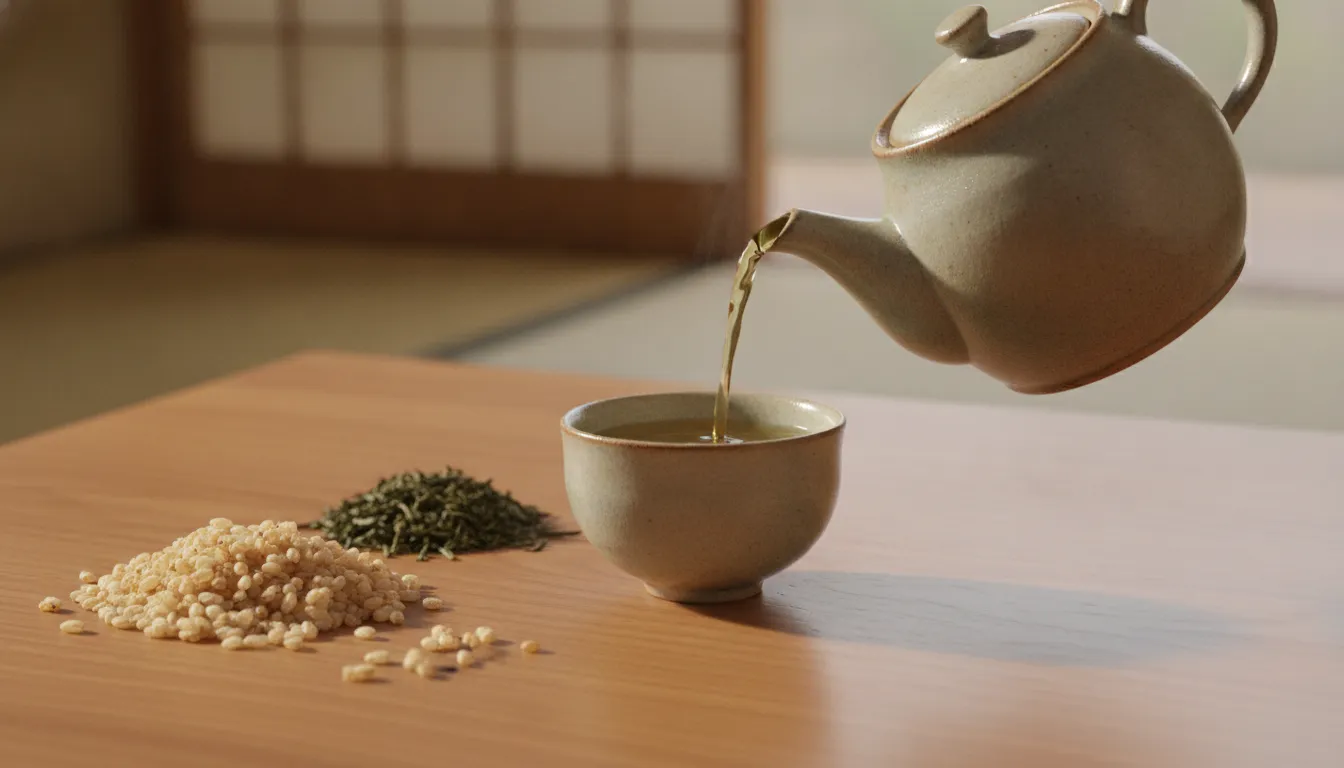
Genmaicha contains caffeine because its green tea leaves come from Camellia sinensis, the naturally caffeinated plant used to make green, black, white, and oolong tea. Roasted brown rice adds no significant caffeine, so the leaf portion determines the blend's caffeine potential.
The role of the green tea base
The character of the leaf base matters. Bancha, a later-harvest Japanese green tea, is a common foundation for genmaicha and is appreciated for its approachable taste. Sencha-based versions can taste brighter and more vegetal. Some blends also include matcha powder, which changes both flavor and caffeine intake because the powdered leaf is consumed rather than removed after steeping.
The roasted rice does not remove caffeine already present in the leaves. Instead, it changes the composition and sensory experience of the blend. Toasted, nutty notes can make the cup feel rounded and substantial even when fewer tea leaves are used. Flavor intensity is not a reliable measure of caffeine intensity. A deeply aromatic genmaicha may still contain less caffeine than a lightly flavored coffee.
A traditional blend with an everyday appeal
Genmaicha's distinctive balance is part of its enduring appeal. The green tea brings freshness, gentle astringency, and structure; roasted rice contributes warmth and a savory, almost popcorn-like aroma. Readers new to the style can explore Sorate's Japanese tea collection to discover how genmaicha fits among other traditional teas.
Sorate's connection to a family-owned farm in Uji, Kyoto, reflects an emphasis on authentic Japanese tea and the ritual around it. Learning about Sorate's birthplace in Uji adds useful context to the care, place, and tradition behind the cup.
What Changes the Caffeine Level in Your Cup?
The caffeine in your cup changes most with the amount of tea used, the blend's leaf composition, the water temperature, the infusion time, and the final serving size. These factors work together, so changing just one can noticeably alter the brew.
Leaf quantity and blend composition
Using more genmaicha generally increases the amount of caffeine available for extraction. The proportion and type of green tea in the blend matter as well. A matcha-added genmaicha can provide more caffeine than a traditional leaf-and-rice blend because matcha remains in the cup. Check the product details if caffeine is an important part of your decision.
Water temperature and steep time
Hotter water and longer contact with the leaves generally increase extraction, including caffeine extraction. They can also pull more bitterness and astringency from green tea. A moderate temperature and a controlled steep preserve the harmony between fresh tea and toasted rice. If you prefer a gentler cup, start with the recommended preparation rather than pushing temperature or time.
Serving size and repeated infusions
A larger mug contains more total caffeine when the concentration stays similar. Re-steeping the same leaves can also release additional caffeine, although later infusions are not equivalent to the first. The total across several infusions may matter more than the amount in any one cup. Count the full session, not just the first pour, when monitoring personal caffeine intake.
Scientific literature supports the broader point that brewing conditions affect tea composition. A review indexed by PubMed on tea caffeine and brewing discusses variability across teas and preparation methods. The most useful approach at home is consistency: use the same spoon, temperature, time, and cup so you can understand how a particular genmaicha feels for you.
How Does Genmaicha Compare With Other Drinks?
Genmaicha is generally lower in caffeine than brewed coffee and often gentler than matcha, while its relationship to other green teas depends on the blend and preparation. The table below offers practical comparison ranges, not laboratory guarantees for every product or serving.
| Drink | Typical serving | Approximate caffeine | What shapes the result |
|---|---|---|---|
| Traditional genmaicha | 8 oz | Usually modest | Leaf ratio, tea base, time, temperature |
| Sencha | 8 oz | Often moderate | Leaf quantity, harvest, and brewing method |
| Matcha | Prepared bowl | Often moderate to higher | Powder quantity; whole leaf is consumed |
| Black tea | 8 oz | Usually moderate | Tea type, portion, and steep time |
| Brewed coffee | 8 oz | Usually higher | Bean, roast, dose, and brew method |
These comparisons are useful for choosing a general direction, but they should not be treated as a precise caffeine calculator. Tea cultivar, growing conditions, harvest, storage, and preparation all contribute to variation. Product-specific testing would be needed for an exact value.
Matcha deserves special attention in comparisons. With ordinary steeped tea, the leaves are removed after the infusion. With matcha, finely milled tea is whisked into water and consumed. A genmaicha blend dusted with matcha may therefore have a different caffeine profile from a classic genmaicha, even if both share the same name.
Black tea provides another useful reference point, although its darker color does not automatically mean that it contains more caffeine than every green tea. Processing changes flavor and aroma, while the amount in a finished cup still depends heavily on dose and preparation. The same caution applies to coffee: an espresso may taste intense but come in a small serving, while a large brewed coffee can deliver much more total caffeine. Compare the amount you actually drink, not color or perceived strength.
Genmaicha also offers a different sensory experience from these alternatives. Its roasted fragrance can create a rich impression without requiring a heavy or highly concentrated brew. That makes it useful for drinkers who want a satisfying cup and a clear preparation ritual. Choose by both caffeine needs and the experience you want from the cup.
Explore Japanese tea accessories for a more consistent, mindful brew.
How Can You Brew Genmaicha for a Balanced Cup?
You can brew a balanced genmaicha by measuring the tea, using water below a full boil, and keeping the first infusion controlled. This method lets the fresh green tea and roasted rice stay in harmony while making your routine repeatable.
- Measure the genmaicha: Begin with the product's recommended amount for your vessel. A consistent portion makes it easier to adjust later without guessing.
- Heat fresh water: Use fresh, good-tasting water and allow boiling water to cool to the suggested temperature. Very hot water can make the green tea component taste harsher.
- Warm the teaware: Rinse the teapot and cups with hot water, then discard it. This small ritual helps maintain a steady brewing temperature.
- Steep with intention: Pour the water over the blend and follow the recommended first-infusion time. Avoid extending the steep simply because the toasted aroma is gentle.
- Pour the tea completely: Empty the teapot evenly among cups. Leaving liquid on the leaves continues extraction and can make a later pour stronger or more astringent.
- Adjust one variable: On the next brew, change only the portion, temperature, or time. A single adjustment helps you identify the preparation that best suits your taste.
Brewing for a gentler experience
If you want a milder cup, use the recommended leaf quantity with slightly cooler water or a shorter infusion rather than dramatically reducing the tea. This can preserve flavor while limiting extraction. Do not assume that discarding a first steep will make the caffeine predictable; extraction varies, and that approach also discards much of the intended aroma and taste.
Brewing for fuller flavor
For a fuller cup, first add a little more genmaicha while keeping the time and temperature controlled. Increasing every variable at once can overwhelm the roasted sweetness with bitterness. The best preparation is the one that respects the blend and feels sustainable in your own ritual.
Thoughtful tools can make consistency easier, but elaborate equipment is not required. A teapot that gives the leaves room, a fine strainer, a simple measure, and cups you enjoy are enough. Sorate's approach to Japanese tea is rooted in making the ritual meaningful rather than complicated; the Sorate story and philosophy offers more about that perspective.
When Is the Best Time to Drink Genmaicha?
The best time to drink genmaicha is whenever its moderate caffeine and roasted flavor fit your routine, often in the morning, with lunch, or during an early afternoon pause. Your sensitivity, bedtime, medications, and total daily caffeine intake should guide the choice.
Genmaicha pairs naturally with food because its savory and toasted notes can complement both simple and rich dishes. It can feel especially grounding alongside breakfast or lunch, and its balanced profile makes it a thoughtful alternative when another coffee feels too intense. Enjoying it during a deliberate break also turns preparation into a small moment of attention.
Caffeine sensitivity varies widely. Some people can drink tea later in the day without noticing an effect, while others prefer to stop many hours before bedtime. Pregnancy, certain medical conditions, and some medications can change what intake is appropriate. Anyone with a specific concern should ask a qualified healthcare professional for personalized guidance rather than relying on a general tea estimate.
Food and hydration can also shape the way a tea break feels, even though they do not turn genmaicha into a caffeine-free drink. Serving the tea with a meal may suit people who find caffeinated drinks uncomfortable on an empty stomach. A smaller cup can support a deliberate pause without committing to a large serving. These are practical ritual choices, not promises about how every person will respond.
A consistent schedule makes comparison easier. If you normally enjoy genmaicha after breakfast, prepare it the same way for several days before deciding whether it suits you. Changing the tea, vessel, serving size, and time of day all at once makes your response difficult to interpret. Consistency turns a general caffeine estimate into a more personal and useful understanding.
If you are monitoring intake, keep a simple record of the tea, serving size, preparation, time, and how you feel. That creates more useful information than comparing flavor alone. It also helps distinguish the effect of one cup from total caffeine consumed across coffee, soda, energy drinks, chocolate, and other tea throughout the day.
The practical takeaway is to treat genmaicha as a caffeinated tea, begin with a measured cup, and let your own response guide the ritual. People seeking a caffeine-free evening drink should choose a genuinely caffeine-free herbal infusion rather than assuming roasted rice makes genmaicha caffeine-free.
Frequently Asked Questions About Genmaicha Caffeine
Genmaicha caffeine questions usually come down to whether the tea contains caffeine, how it compares with other drinks, and how brewing changes the cup. These concise answers summarize the essentials.
Does genmaicha have caffeine?
Yes. Genmaicha contains caffeine because it includes green tea leaves from the naturally caffeinated Camellia sinensis plant. The roasted brown rice contributes flavor and aroma but does not make the blend caffeine-free.
Is genmaicha lower in caffeine than coffee?
Genmaicha is generally lower in caffeine than an equal-size serving of brewed coffee. Exact amounts vary with the blend, portion, brewing method, and serving size, so the comparison is a practical guideline rather than a fixed rule.
Does matcha genmaicha have more caffeine?
Matcha-added genmaicha can contain more caffeine than a traditional genmaicha because matcha powder is whole tea leaf that remains in the cup. The actual amount depends on how much matcha and green tea the blend contains.
Can I reduce caffeine when brewing genmaicha?
You can generally limit extraction by using a measured portion, moderate water temperature, and controlled steep time. However, home brewing cannot guarantee an exact caffeine amount, and genmaicha remains a caffeinated tea.
Genmaicha offers an inviting meeting of fresh Japanese green tea and aromatic roasted rice. Understanding its caffeine does not require reducing the tea to one number. Consider the blend, prepare it consistently, notice your response, and enjoy the cup as part of a considered daily ritual.
Discover Sorate's Japanese tea and matcha collection and choose your next ritual.


